

Archive · 5 Nov 2025
Political Parachutists: A Growing Phenomenon Across Indian Parties
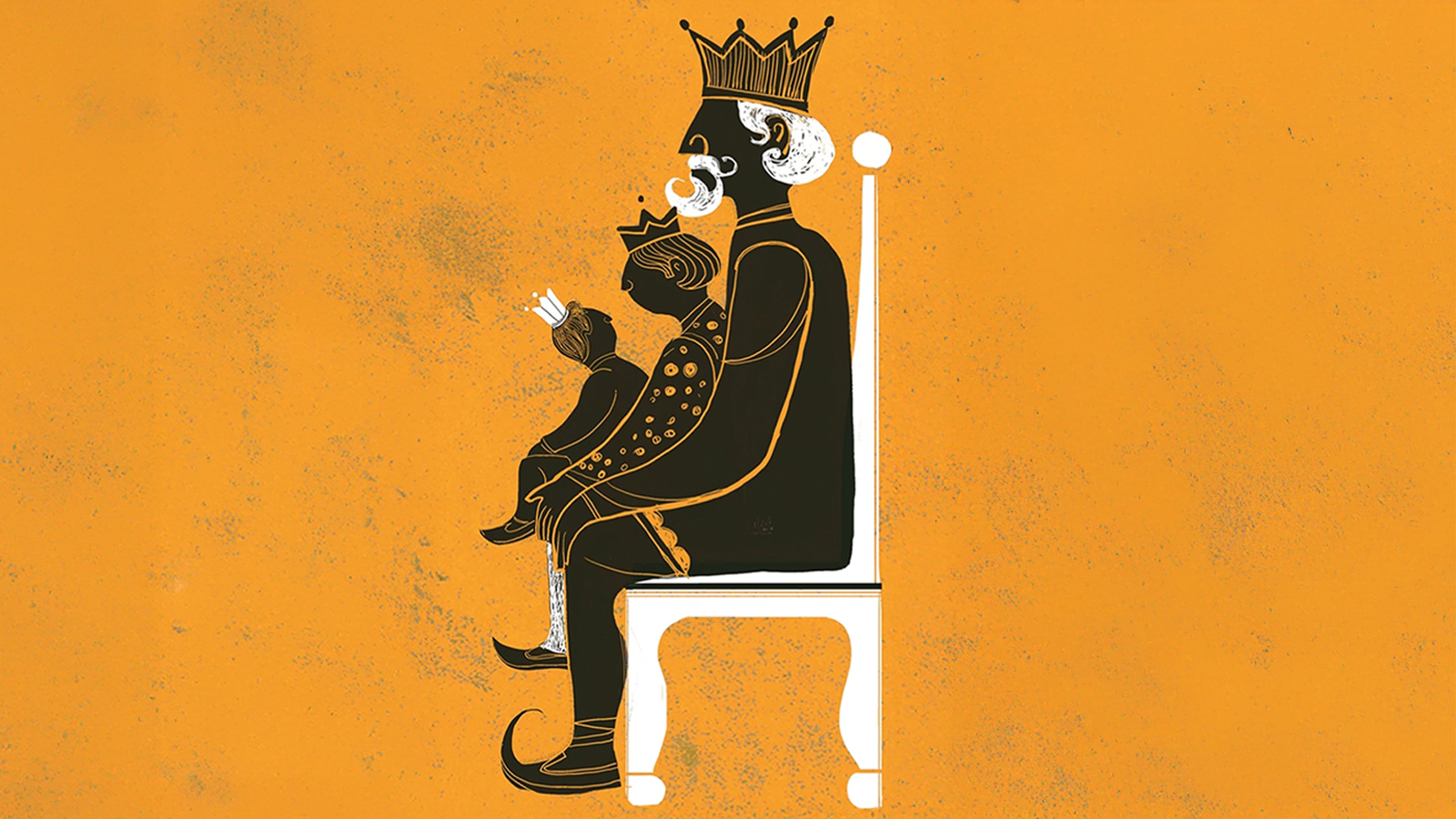
Imagine politicians are like experienced farmers who know the land and people very well.
Some politicians are born into farming families, like 'dynasts'.
Then there are people who are doctors or engineers and suddenly become farmers, called 'parachutists'.
People sometimes like these new farmers because they think they are smart and honest, hoping they can fix problems.
But, the article says, being a good farmer means knowing the land and people for a long time, which parachutists usually don't have.
They might have good ideas, but they don't always understand the everyday worries of the villagers.
Their success often depends on someone who brought them into farming, and if that person falls out of favor, so might they.
It's like they arrive in a parachute without walking the fields.
This practice is happening in many farming groups, except for a few strict ones.
Some parachutists prefer to join a special council (like the Rajya Sabha) rather than directly face the people in elections, which makes it harder to connect with them.

Political parachutists are individuals inducted into office without prior political experience, distinct from political dynasts.
While dynasts are often viewed negatively, parachutists, especially professionals, are sometimes seen favorably by the middle classes as potentially cleansing politics.
Critics argue parachutists lack the essential direct connection and understanding of people's needs gained through long-term political engagement.
Parachutists' fortunes are often tied to their 'adoptive political parent,' and they can generate resentment within parties.
The phenomenon is widespread across Indian political parties, with entry often facilitated through the Rajya Sabha rather than direct electoral contest.
- Who
- Political parties and individuals with no prior political experience (professionals, civil servants, businesspersons).
- What
- The phenomenon of 'political parachutists'—individuals inducted into political office without grassroots experience.
- When
- The article discusses this as a current and growing phenomenon, implied to be prevalent around election times.
- Where
- Across Indian politics, observed in most major and regional parties.
- Why
- Parachutists are often seen as having integrity and dedication, particularly by the middle classes, and are sometimes inducted to add expertise or impress the public.
Critique of Parachutists
Perceived Benefits of Parachutists
Connection to the People
Critique of Parachutists
Parachutists lack the direct, long-term political experience necessary to understand people's needs, beliefs, and aspirations, which is crucial for building political trust.
Perceived Benefits of Parachutists
Professionals, former civil servants, and businesspersons are considered to have integrity and dedication, bringing valuable expertise to politics.
Political Standing and Influence
Critique of Parachutists
Parachutists do not possess an independent standing within their party and are often dependent on their 'adoptive political parent,' leading to resentment and instability when the parent's fortunes decline.
Perceived Benefits of Parachutists
While not explicitly stated as a benefit, the article implies that parachutists are seen by middle classes as a positive force for 'cleansing' politics and administration, suggesting they are welcomed for potentially bringing fresh perspectives.
Role in Governance
Critique of Parachutists
While experts like professionals or former administrators can advise, they cannot bring 'views derived from popular connect' which are essential for elected governments. Expert advice needs to be filtered through political realities that parachutists lack direct experience of.
Perceived Benefits of Parachutists
The article mentions that parachutists are sometimes given cabinet rank, implying a belief that their expertise and background are valuable enough for high-level government positions.
- Definition of Political Parachutist
- Individuals inducted into political office without prior political experience, often professionals, civil servants, or businesspersons.
- Contrast with Dynasts
- Dynasts belong to political families; parachutists have an 'adoptive political parent'.
- Prevalence
- Observed in almost all political parties in India, with exceptions like the Communist Parties.
- Common Entry Route
- Often enter politics through the Rajya Sabha (upper house of Parliament), though some contest Lok Sabha elections.
- Perception by Middle Class
- Favored by middle classes who view them as honest and dedicated to improving politics and administration.
- Potential Issue
- Doubtful if they meet the essential criterion of having a direct political connection with the people.