Archive · 17 Dec 2025
Earth's satellite fleet faces rising collision risk within 3 days
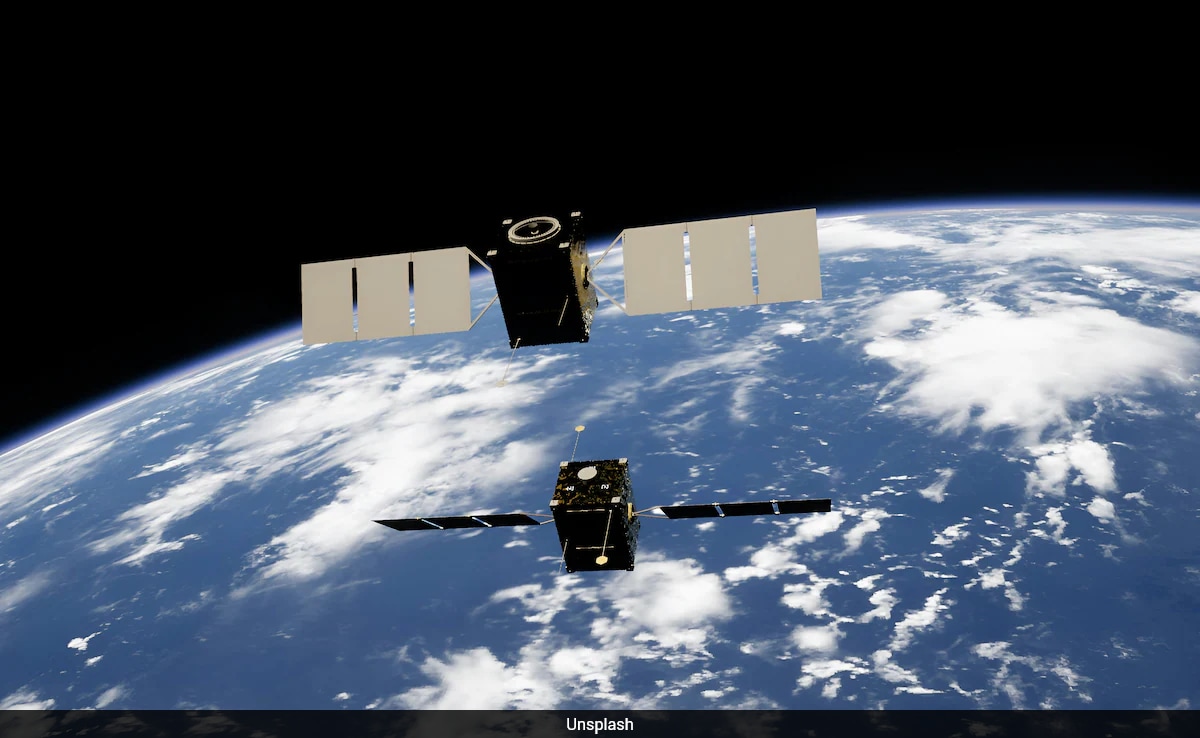
Scientists are warning that there's a growing risk of satellites colliding in space.
With thousands of satellites now orbiting Earth, especially from companies like SpaceX's Starlink, the space around our planet is getting very crowded.
This makes it easier for satellites to bump into each other.
If a big solar storm were to happen, it could mess up the systems that help satellites avoid collisions.
Researchers say we might only have about three days to fix any problems before a collision could happen.
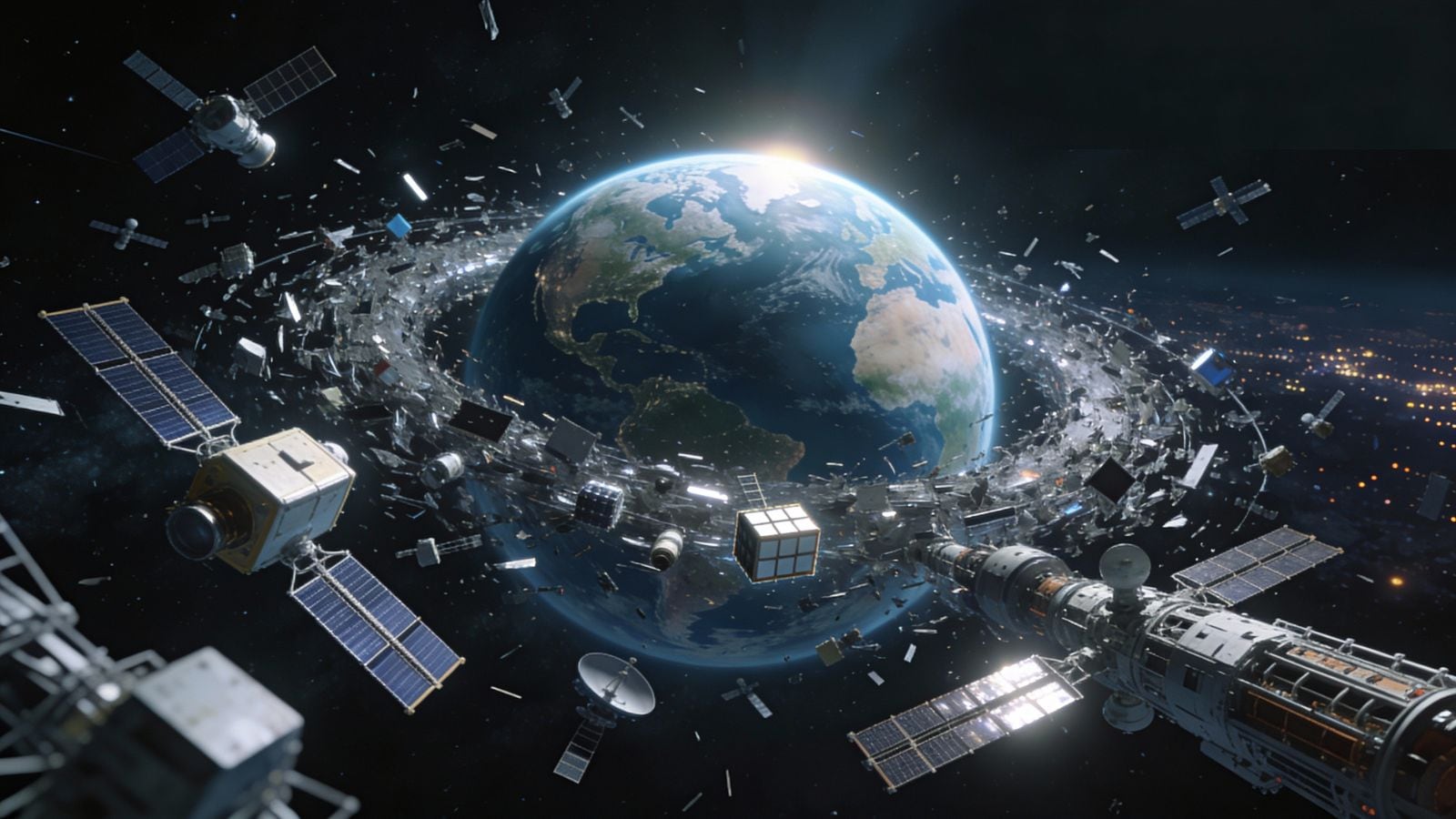
If satellites start crashing into each other, it could create a lot of space junk, making it dangerous for other satellites and future space missions.
This is a big deal because we rely on satellites for many things like GPS, weather forecasts, and internet services.

Scientists warn of a rising risk of satellite collisions in low Earth orbit within the next 2.8 days due to crowded orbits and potential solar storms.
The CRASH Clock, which measures time to potential collision, has dropped from 121 days in 2018 to 2.8 days currently.
Over 14,000 satellites are in orbit by 2024, with SpaceX's Starlink alone accounting for 8,811 satellites by October 2025.
A major collision could trigger a chain reaction of debris, increasing the risk of further collisions and potentially making orbits unusable.
Researchers emphasize the need for better tools to manage and measure stress in Earth's orbital environment to prevent a long-term hazard.
- Who
- Scientists and researchers studying satellite collisions
- What
- Rising risk of satellite collisions due to crowded orbits and potential solar storms
- When
- Within the next 2.8 days according to the CRASH Clock
- Where
- Low Earth orbit
- Why
- Increased number of satellites and potential system failures from solar storms
- Current CRASH Clock
- 2.8 days
- CRASH Clock in 2018
- 121 days
- Total satellites in orbit by 2024
- 14,000+
- Starlink satellites by October 2025
- 8,811
- Chance of collision within 24 hours of system failure
- 30%
- Chance of Starlink collision within 24 hours of system failure
- 26%
- Study publication date
- December 10 (on arXiv)