

Archive · 30 Jul 2026
Iran Boosts Oil Output with AI Amid War
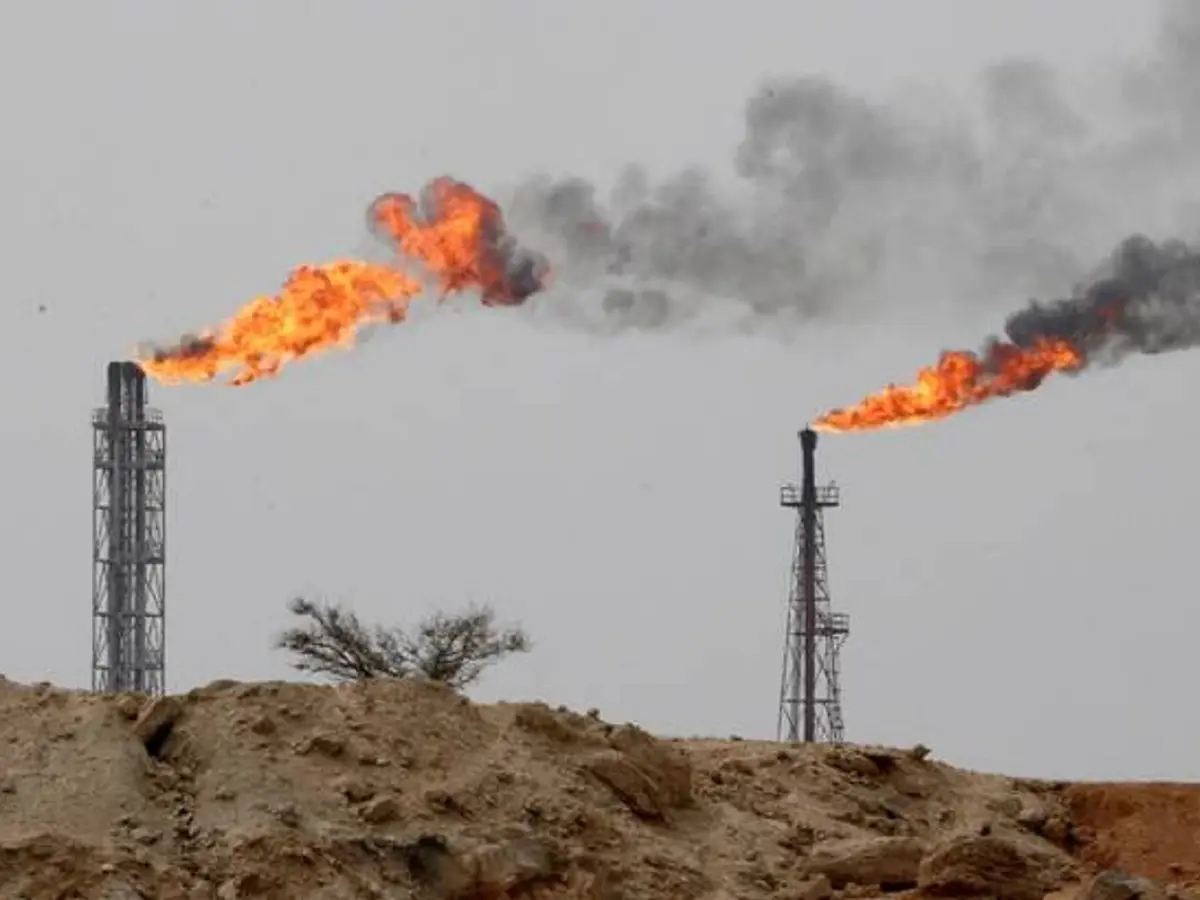
Iran is using a new computer system that can think like a smart manager to help its oil wells work better.
The system can make the oil that is already in the ground come out more, up to 59% more over 20 years.
It also helps the oil company know the best way to run the pumps and pipes automatically.
Because of this, the oil from some wells has gone up by 12,500 barrels a day, and a big field called Sepehr now makes 65,000 barrels a day instead of 6,500.
Even though the U.S. tried to stop Iranian oil by blocking ships, Iran still sold a lot of oil, about $18 billion, during the war.
The new AI system helps Iran keep its money coming in while the Strait of Hormuz, a key waterway, stays under Iran’s control.

Iran has developed an indigenous AI system that can increase oil recovery by up to 59% over 20 years.
The system integrates wells, pipelines, and surface facilities to automatically adjust operations for maximum efficiency.
AI optimization has raised production at seven wells by 12,500 barrels per day and at Sepehr field from 6,500 to 65,000 barrels per day.
Despite U.S. naval blockades, Iran’s oil exports fell only to a six‑year low in May, and the country sold $18 billion of oil during the war.
The AI-driven gains help Iran maintain economic resilience while the Strait of Hormuz remains a strategic leverage point.
- Who
- Iranian oil industry researchers and Minister Mohsen Paknejad
- What
- Development of an indigenous AI system to increase oil recovery
- When
- During the West Asia war, with data up to May 2024
- Where
- Iran, especially Sepehr oil field, Strait of Hormuz
- Why
- To sustain the economy amid U.S. sanctions and naval blockade
- AI system recovery increase
- 59% over 20 years
- Production boost at Sepehr field
- 6,500 to 65,000 barrels per day
- Oil sales during war
- $18.0 billion
- Oil exports lowest level
- May 2024
- Strait of Hormuz status
- Strategic leverage point