

Archive · 24 Sep 2025
Beauty Sleep: Neurologist Explains Skin, Health Benefits
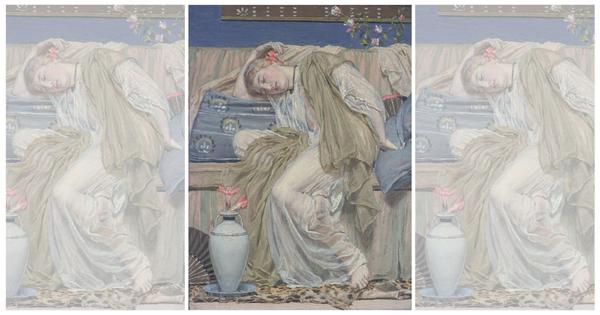
Getting enough sleep, often called "beauty sleep," is essential for healthy skin.
During deep sleep, the body repairs itself, releasing hormones that boost collagen production, which keeps skin firm.
Sleep also helps lower stress hormones and reduce inflammation, benefiting the skin.
Lack of sleep can lead to drier skin, more wrinkles, and can make you look tired to others.
Prioritizing sleep is important for both appearance and overall health.

Sleep directly influences skin appearance and perceived attractiveness.
Deep, slow-wave sleep is crucial for tissue repair, muscle recovery, and collagen production.
Cortisol levels are lowest during deep sleep, benefiting the skin.
Lack of sleep increases water loss through the skin, making it vulnerable.
Poor sleep can worsen acne and reduce skin elasticity.
- Who
- Joanna Fong-Isariyawongse, a neurologist specializing in sleep medicine.
- What
- Discusses the impact of sleep on skin health, appearance, and overall well-being.
- When
- Ongoing, with studies showing effects of sleep deprivation.
- Where
- Not specified.
- Why
- To highlight the importance of sleep for health and appearance.
Pro-Sleep
Anti-Sleep
Effect on Skin
Pro-Sleep
Adequate sleep promotes hydration and barrier function, aiding skin.
Anti-Sleep
Sleep deprivation causes dry skin, making it vulnerable.
- Expert
- Joanna Fong-Isariyawongse, Associate Professor of Neurology
- Key Sleep Stage
- Deep, slow-wave sleep
- Hormone Released
- Growth hormone
- Stress Hormone
- Cortisol
- Impact of Poor Sleep
- Reduced skin elasticity and more noticeable wrinkles
- Chronic Sleep Deficiency
- Fewer than seven hours of sleep for at least three months