

Archive · 30 Jan 2026
Russian Plasma Engine Could Cut Mars Travel to 30 Days
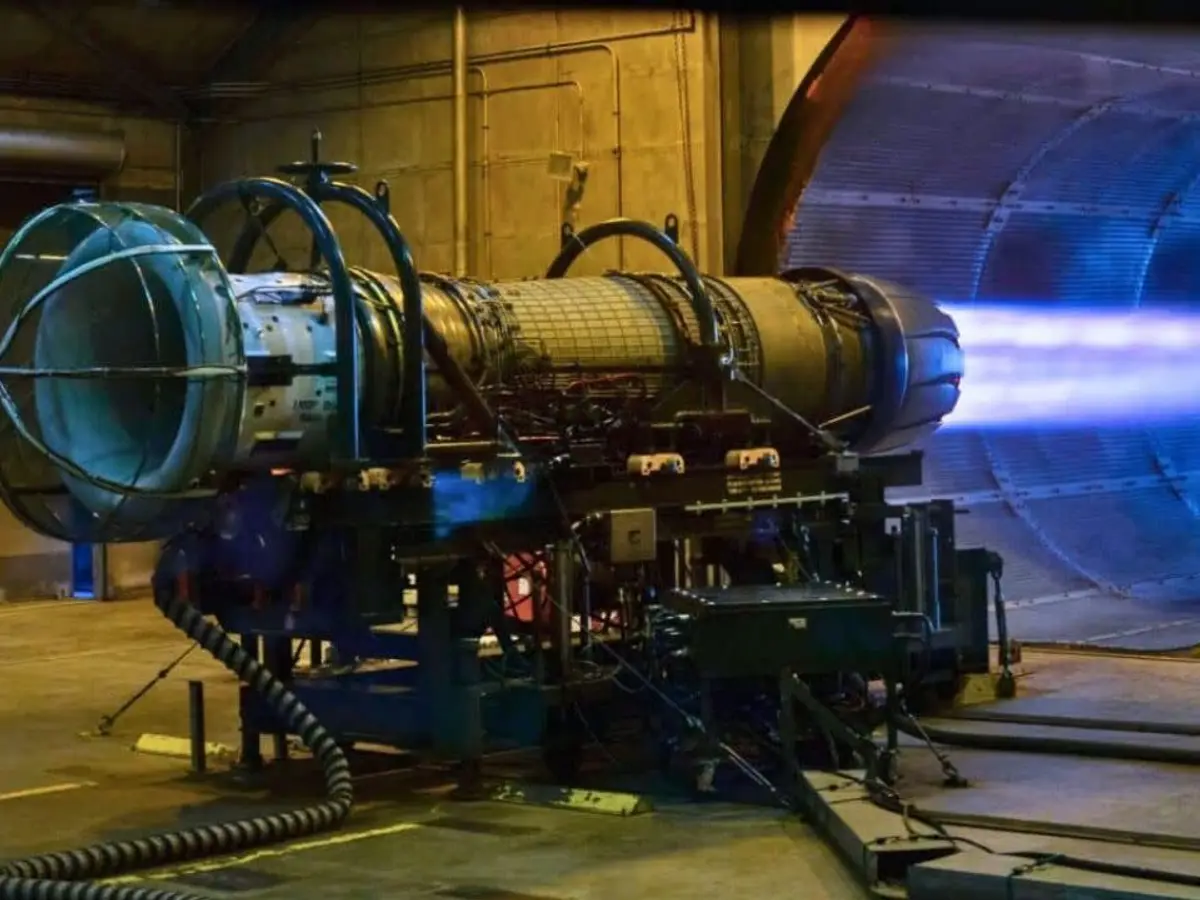
Russian scientists are testing a new type of rocket engine that uses plasma instead of chemical fuel.
This engine uses electromagnetic fields to accelerate charged hydrogen particles, which makes it much more fuel-efficient than traditional rockets.
The engine is being developed by Rosatom and is currently being tested in a special chamber that simulates space conditions.
The engine can operate at 300 kilowatts and has a lifespan of 2,400 hours, which is enough for a trip to Mars.
The engine accelerates particles to speeds of 100 km per second, much faster than traditional rockets.
This could make trips to Mars much shorter, taking about 30 days instead of several months.
Plasma engines are already used in some satellites, but the Russian engine's speed is a significant improvement.

Russian scientists are testing a plasma rocket engine for deep space exploration.
The engine uses electromagnetic fields to accelerate charged hydrogen particles, making it more fuel-efficient than traditional chemical rockets.
The engine is being developed by Rosatom and is currently being tested in a 14m long vacuum chamber.
The engine operates at 300 kilowatts and has a lifespan of 2,400 hours, sufficient for a Mars trip.
The engine accelerates particles to speeds of 100 km per second, significantly faster than traditional rockets.
- Who
- Russian scientists at Troitsk Institute and Rosatom
- What
- Testing a prototype plasma rocket engine for deep space exploration
- When
- Currently being tested
- Where
- Inside a 14m long vacuum chamber in Russia
- Why
- To reduce interplanetary travel time and improve fuel efficiency
- Engine Type
- Plasma rocket
- Developer
- Rosatom (Russia's state nuclear corporation)
- Power Level
- 300 kilowatts
- Lifespan
- 2,400 hours
- Particle Speed
- 100 km per second
- Traditional Rocket Speed
- 4.5 km per second
- Current Use
- Satellites and NASA's Psyche mission