

Archive · 27 Jul 2026
Quantum Computing Enhances AI for Cancer Vaccine Design
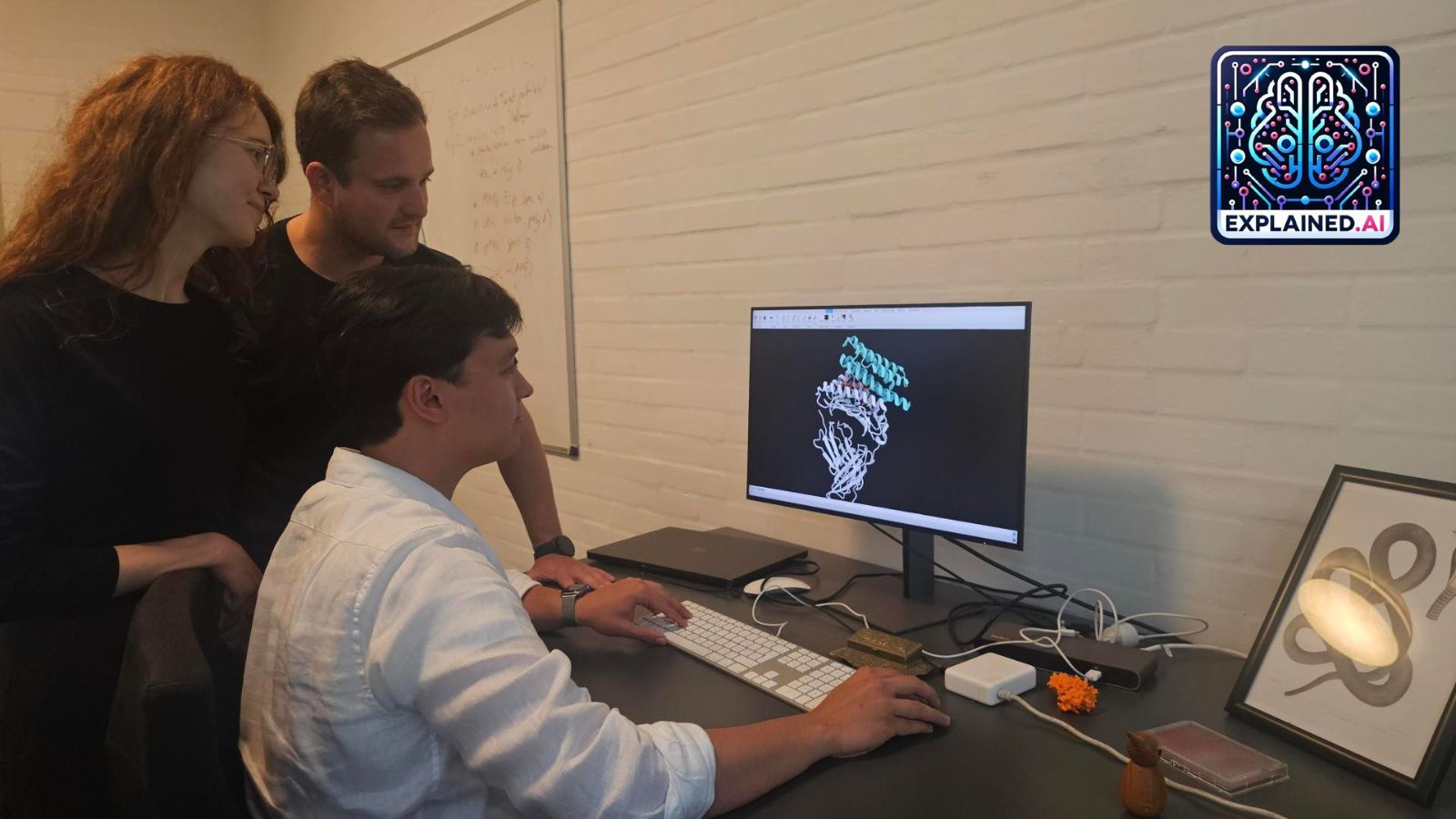
Scientists at the Technical University of Denmark are using a special kind of computer called a photonic quantum computer to help artificial intelligence (AI) design better peptides.
Peptides are tiny parts of proteins that help the immune system recognize sick or infected cells.
The quantum computer helps the AI explore a wider range of designs, especially for less-studied immune types.
This could lead to more personalized cancer vaccines in the future.
The study is still in early stages and not yet ready for clinical use, but it shows promising results in the lab.

Researchers at DTU used a photonic quantum computer to improve AI-designed peptides for cancer vaccines.
The AI model, a generative adversarial network, uses quantum-derived randomness to explore a wider range of designs.
The study found that AI-designed peptides successfully bind to HLA molecules, a critical step in triggering an immune response.
The technology could eventually help develop more personalized cancer vaccines and other immune-based therapies.
The study is still far from clinical use and is awaiting peer review.
- Who
- Researchers at the Technical University of Denmark (DTU)
- What
- Using a photonic quantum computer to improve AI-designed peptides for cancer vaccines
- When
- Study is awaiting peer review
- Where
- Technical University of Denmark (DTU)
- Why
- To develop more personalised cancer vaccines and other immune-based therapies
Quantum Computing Advocates
Classical Computing Advocates
Effectiveness in Data-Poor HLA Types
Quantum Computing Advocates
Quantum-derived randomness performs best for rarer HLA types, improving peptide design for underrepresented populations.
Classical Computing Advocates
Advanced classical models or cleverly chosen classical distributions might achieve similar results.
- Study Conducted By
- Technical University of Denmark (DTU)
- Study Status
- Awaiting peer review
- Key Technology Used
- Photonic quantum computer
- AI Model Used
- Generative adversarial network
- Key Finding
- AI-designed peptides successfully bind to HLA molecules
- Potential Applications
- Personalised cancer vaccines and other immune-based therapies
- Current Stage
- Far from clinical use