

Archive · 29 Dec 2025
SHANTI Bill: Historic Nuclear Reform and SMR Debate

The SHANTI Bill is a big change in India's nuclear energy sector.
It's called one of the biggest science reforms by the Modi government.
The bill helps India use nuclear energy for clean power, medical treatments, and research.
It's been a long time since such a big change was made in this area.
The government wants to increase nuclear power to meet 10% of India's electricity needs by 2047.
This will help India move away from fossil fuels and support advanced technologies.
The bill is supported by scientists, industries, and startups, showing a national agreement on the need for this reform.
However, there are debates about the viability of small modular reactors (SMRs) and the role of private sector in nuclear energy.

The SHANTI Bill is considered one of the biggest science reforms by the Modi government, breaking a six-decade stalemate in India's nuclear sector.
The bill aims to unlock the potential of nuclear energy for peaceful, clean, and sustainable use, with a focus on safety, sovereignty, and public interest.
India's nuclear power capacity has doubled from 4.4 GW in 2014 to 8.7 GW today, with a target of 100 GW by 2047.
Nuclear energy is seen as indispensable for providing reliable power for advanced technologies and digital infrastructure, supporting India's transition away from fossil fuels.
The SHANTI Bill has received wide acceptance across the scientific community, industry, and startups, reflecting a broad national consensus on the need to reform and modernize India's nuclear sector.
- Who
- Union Minister for Science & Technology, Dr Jitendra Singh and nuclear scientist Dr Anil Kakodkar
- What
- Introduction of the SHANTI Bill and debate on SMR viability
- When
- Announced on Sunday (specific date not mentioned)
- Where
- India
- Why
- To unlock the potential of nuclear energy for peaceful, clean, and sustainable use, and to modernize India's nuclear sector
- Bill Name
- SHANTI (Sustainable Harnessing and Advancement of Nuclear Energy for Transforming India)
- Minister
- Dr Jitendra Singh
- Current Nuclear Capacity
- 8.7 GW
- Target Nuclear Capacity by 2047
- 100 GW
- Expected Nuclear Energy Contribution by 2047
- 10% of India's electricity requirements
- Key Applications
- Clean power generation, medical applications, advanced research
- Future Initiatives
- Small modular reactors for urban and industrial use
- PHWR Technology
- Pressurised Heavy Water Reactors
- Thorium Conversion
- Irradiation of thorium with HALEU in PHWRs
- SMR Viability
- Depends on large order books and high safety standards
Sources
SHANTI Bill one of Modi govt's 'biggest science reforms', breaks six-decade stalemate in nuclear sector: Jitendra Singh

SHANTI Bill breaks 6-decade stalemate in nuclear sector, opens new era of clean energy growth: Dr Jitendra Singh
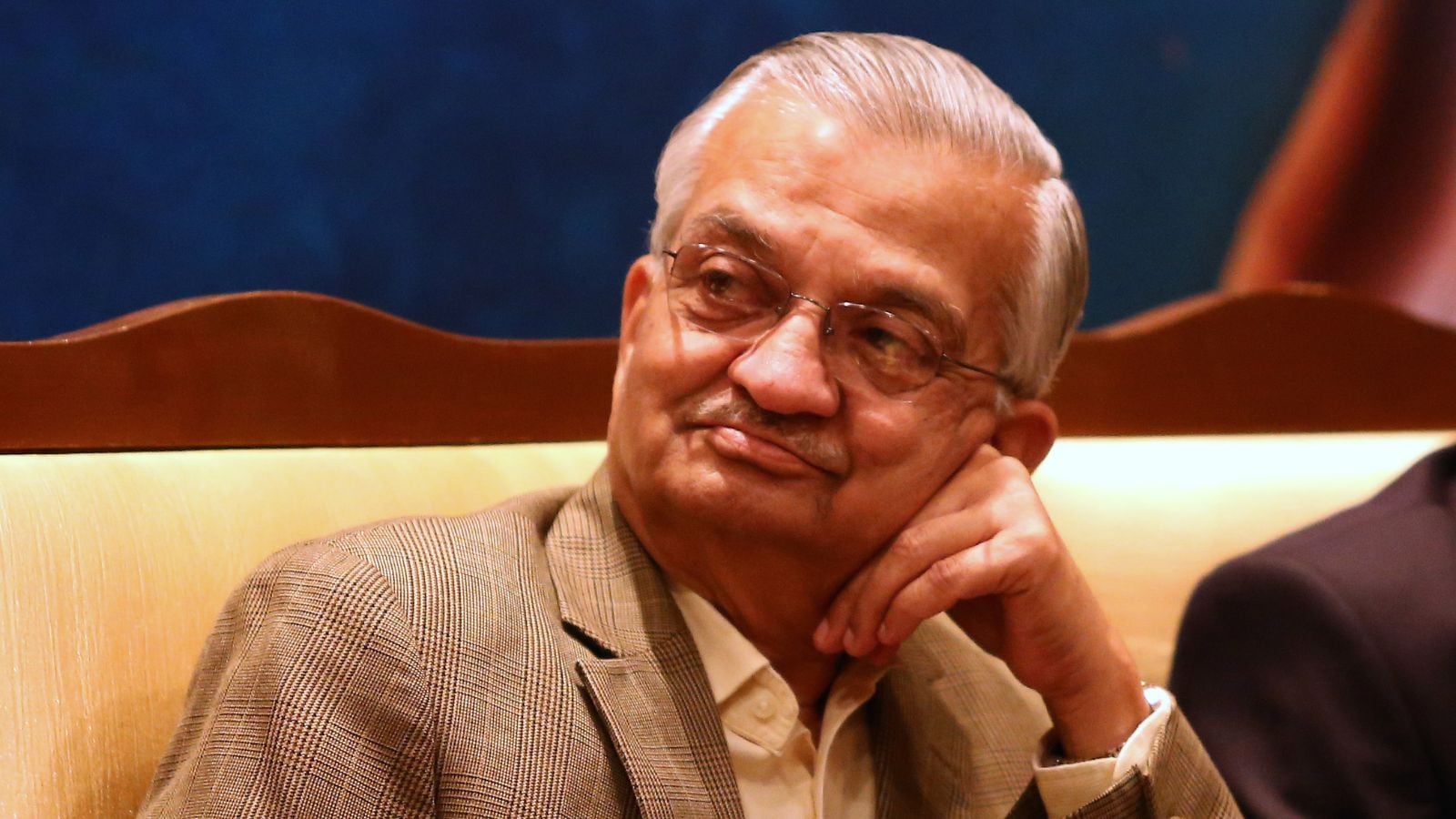
Viability of SMRs pose a question till order books become large, value addition locally becomes near 100%: Dr Anil Kakodkar
