1 week ago
Sonia Gandhi's Memoir Could Reveal India's Political Mysteries

Sonia Gandhi is writing a book about her life and time in Indian politics.
The book is called Belonging: A Journey of Love.
It will describe her childhood in Italy, her marriage to Rajiv Gandhi, and her experiences with the Nehru-Gandhi family.
It may also explain why she entered politics after initially wanting a private family life.
The author hopes it will discuss friendships that later broke down, including those with the Bachchan family and Natwar Singh.
It could explain why Sonia chose Manmohan Singh to become prime minister in 2004.
The memoir may also discuss why Rahul Gandhi was treated as the political successor rather than Priyanka Gandhi.
Readers may learn how Sonia viewed Narendra Modi and the Congress party’s defeat in 2014.
The article says the book might be either mainly personal or a fuller explanation of how Sonia used political power.

Sonia Gandhi’s 544-page memoir, Belonging: A Journey of Love, is scheduled for publication by Alfred A. Knopf on November 10.
The book is expected to cover her childhood in Italy, marriage to Rajiv Gandhi, family tragedies, political entry, and Congress leadership.
The author argues the memoir could clarify Sonia Gandhi’s relationships with the Bachchan family, P.V. Narasimha Rao, and Natwar Singh.
It may also explain why she chose Manmohan Singh as prime minister in 2004 and how she managed the UPA coalition.
Major unanswered questions include Rahul Gandhi’s succession over Priyanka Gandhi and Sonia’s assessment of Narendra Modi and Congress’s decline by 2014.
- Who
- Sonia Gandhi, the Congress leader and subject of the forthcoming memoir.
- What
- She is publishing a memoir that may recount her personal life, political rise, relationships, decisions, and years leading the Congress.
- Where
- The narrative is expected to span Sonia Gandhi’s childhood in Orbassano near Turin, Cambridge, the Nehru-Gandhi family’s homes in India, and the center of Indian politics.
- When
- The memoir is scheduled for publication on November 10; the article does not specify the year.
- Why
- Sonia Gandhi says she wants to examine the motivations, actions, and human failings of a family about which much has been written; the author also hopes she will explain major political decisions and relationships.
Personal and Human Story
Political Reckoning
Purpose of the memoir
Personal and Human Story
The book may focus on Sonia Gandhi’s childhood, marriage, family losses, emotional experiences, and the meaning of belonging to India.
Political Reckoning
Readers and historians may expect explanations of how she exercised power, managed the Congress, chose prime ministers, and handled political crises.
The UPA power arrangement
Personal and Human Story
Supporters described Sonia Gandhi and Manmohan Singh as having separate, legitimate responsibilities, with Singh running the government and Sonia managing the coalition and party mandate.
Political Reckoning
Critics described Sonia Gandhi as a “super PM” and may seek clarification about whether she was the superior power in the partnership.
Political succession
Personal and Human Story
Rahul Gandhi may have been viewed as Rajiv Gandhi’s political heir, while Priyanka Gandhi may have been protected from politics.
Political Reckoning
The memoir may face questions about why Rahul was not given more government experience and why Sonia did not sufficiently renew the Congress organization after 2009.
Key facts
- Memoir title
- Belonging: A Journey of Love
- Length
- 544 pages
- Publisher
- Alfred A. Knopf
- Publication date
- November 10; the year is not specified in the article
- Political roles
- Sonia Gandhi served as Congress president, Leader of the Opposition, UPA chairperson, and National Advisory Council chairperson.
- 2004 decision
- After deciding not to become prime minister, Sonia Gandhi chose Manmohan Singh to lead the government.
- 1999 challenge
- Sharad Pawar, P.A. Sangma, and Tariq Anwar challenged Sonia Gandhi’s suitability for the highest office over her foreign origin; they were expelled and later established the NCP.
Sources
Related news

Sonia Gandhi Memoir Details Love, Loss and Political Choices
Sonia Gandhi’s Unexpected Memoir Revisits Love, Loss and Political Life
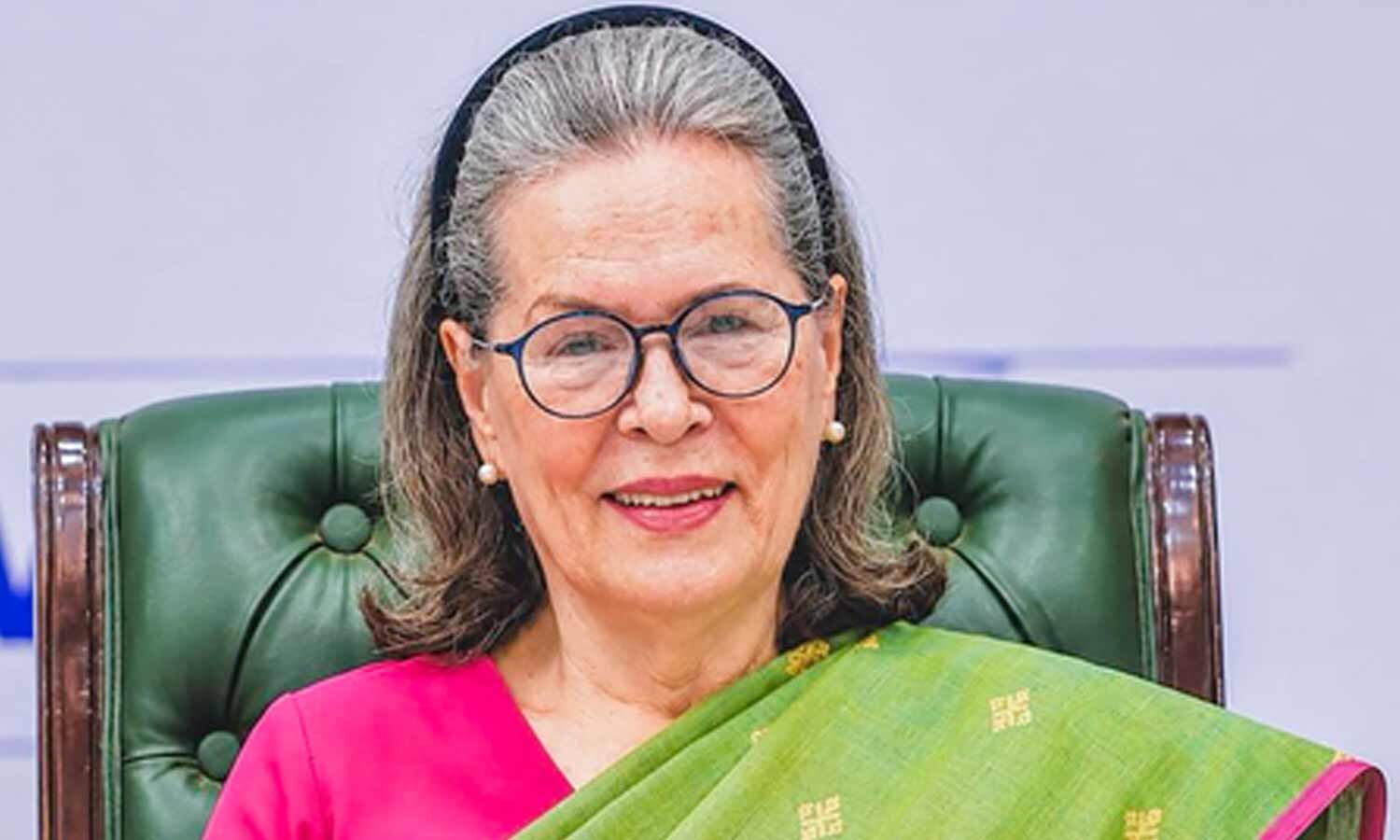
Sonia Gandhi Memoir Chronicles Love, Loss and Political Life

Sonia Gandhi memoir welcomed by BJP amid truth demands

Sonia Gandhi Memoir ‘Belonging’ Explores Family, Loss and Politics

Rahul Gandhi Praises Sonia Ahead of Memoir Release

Raksha Bandhan Highlights India’s Prominent Political Brother-Sister Duos
Ministerial Accountability Fades in India Amid Exam Scandals

Samudra Mahal: From Maharaja's Treasure to Elite Address

Jyotiraditya Scindia Reviews Guna Projects on Father's Death Anniversary