

Archive · 17 Nov 2025
India's Mental Health Crisis: A Journey Through Distress
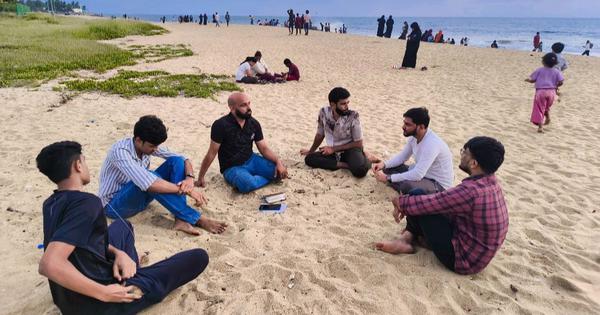
Many Indians are struggling with mental health issues due to economic struggles, lack of social support, online misinformation, violence, and fear.
Despite this, mental health is not a priority in Indian policies.
People want to talk about their feelings, but they need to be heard and supported.

Nearly 197 million Indians live with mental disorders, including 45 million with depression.
Economic precarity, social solitude, digital misinformation, gendered violence, and political fear are key contributors to mental distress.
Activists, students, and citizens across India are struggling with mental health issues, either personally or through loved ones.
Mental health is shaped by political, economic, and cultural forces but remains absent from public policy.
A politics of care is needed to treat mental health as a collective responsibility rather than a private struggle.
- Who
- Indians across various regions, communities, and backgrounds
- What
- Struggling with mental health issues and distress
- When
- Currently, with the issue being quiet and central to Indian life
- Where
- Across India, from Delhi to Kerala
- Why
- Due to economic precarity, social solitude, digital misinformation, gendered violence, and political fear
Individual perspective
Structural perspective
Causes of mental distress
Individual perspective
Personal struggles and individual weaknesses
Structural perspective
Economic, social, political, and cultural forces
- Mental disorders in India
- Nearly 197 million people, including 45 million with depression
- Duration of the journey
- 26 days
- Distance traveled
- 3,200 km
- People spoken to
- Over 1,000
- Primary causes of mental distress
- Economic precarity, social solitude, digital misinformation, gendered violence, political fear