Archive · 2 Nov 2025
Kathak Dance Production 'Ghost Ships' Explores Bengal Famine's Link to Chatham Dockyard
Imagine a big place in England called Chatham Dockyard, where ships were built for a long time.
These ships were used for many things, including helping Britain send goods from India.
Recently, a dancer named Amina Khayyam created a special show called 'Ghost Ships' that tells a hidden story.
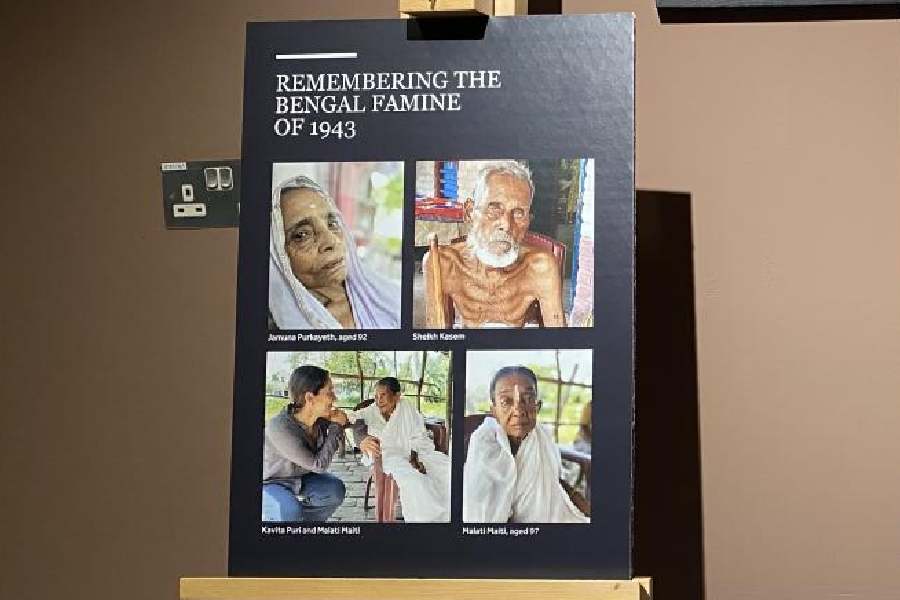
She wanted to show how some of these ships were connected to a terrible time in India called the Bengal Famine in 1943.
During this famine, millions of people didn't have enough food, and Amina believes that decisions made by leaders, like Winston Churchill, about sending food away from India made things much worse.
Her dance uses the movements of Kathak to show the sadness and struggle of the famine victims.
The show happened right where the ships were once built, to remind people of this difficult history that isn't often talked about.

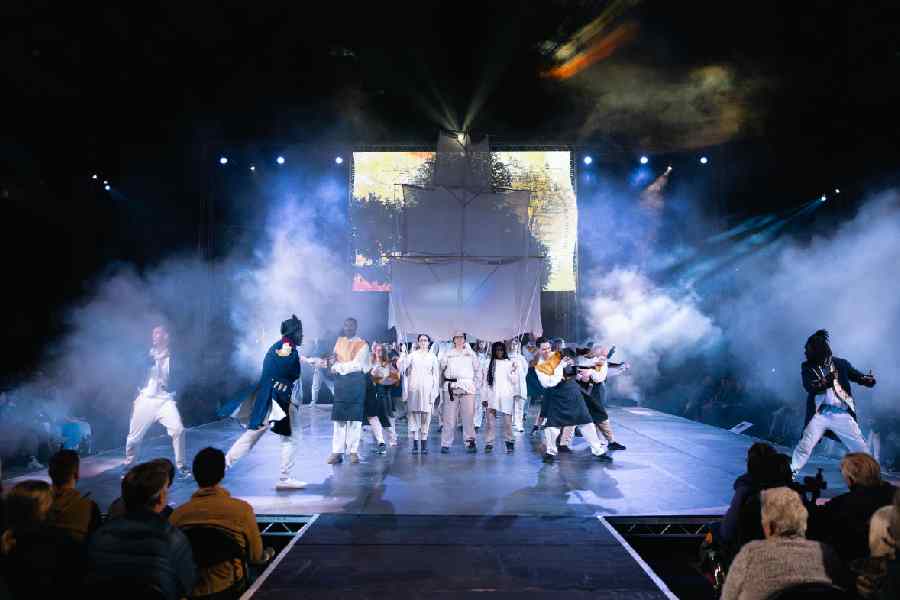
A UK-based Kathak dancer, Amina Khayyam, created a dance production called 'Ghost Ships' exploring the connection between the 1943 Bengal Famine and the historical role of Chatham Dockyard.
The production highlights how ships built at Chatham Dockyard, once used for the slave trade and then for exporting goods from India, may have been involved in the events leading to the famine.
Khayyam stated that during World War II, Winston Churchill used ships to send food stock away from the Indian subcontinent, contributing to the famine.
The dance production was performed in an immersive act at No 5 Slip in Chatham Dockyard, aiming to reveal the 'darker side' of its legacy beyond a 'sanitized image'.
Khayyam mentioned that the story of the Bengal Famine had not been told on such a scale to a UK audience before, with plans for future performances.
- Who
- UK-based Kathak dancer Amina Khayyam and her dance company, ZooNation hip-hoppers, and Icon Theatre producers.
- What
- A dance production titled 'Ghost Ships' that connects the 1943 Bengal Famine to the historical role of the UK's Chatham Dockyard.
- When
- The research and production preparation took a year, with a performance staged at Chatham Dockyard. This article was published in relation to programs marking the 40th anniversary of the Chatham Dockyard closure.
- Where
- Chatham Dockyard (now a maritime museum) in the UK, and performed in venues like No 5 Slip.
- Why
- To explore the darker, often overlooked aspects of British colonial history, specifically linking the ships built at Chatham Dockyard to historical events like the Bengal Famine and the export of goods, challenging a 'sanitized image' of the dockyard's legacy.
Focus on Colonial Culpability
Focus on Multifaceted Factors
Role of British Policy in Famine
Focus on Colonial Culpability
Amina Khayyam asserts that Winston Churchill's wartime policies of sending food stock out of the Indian subcontinent directly contributed to the Bengal Famine, implying intentional neglect and indifference.
Focus on Multifaceted Factors
While acknowledging wartime policies, the context provided by the article suggests that ships from Chatham Dockyard were involved in the export of spices and goods, and that the famine was a complex event exacerbated by wartime conditions and reduced food supplies from regions like Burma, alongside crop infections and inflation.
Representation of Dockyard's Legacy
Focus on Colonial Culpability
Khayyam aims to expose the 'darker side' of Chatham Dockyard's history, including its links to the slave trade and the export of goods that indirectly connect to colonial exploitation and famine.
Focus on Multifaceted Factors
The article notes that Chatham Dockyard now functions as a maritime museum, showcasing its history including ships like HMS Gannet and HMS Cavalier, suggesting a more comprehensive display that includes its role in building and maintaining naval vessels.
- Production Name
- Ghost Ships
- Choreographer/Lead Artist
- Amina Khayyam
- Theme
- Bengal Famine of 1943 and its connection to Chatham Dockyard's history
- Location of Performance
- No 5 Slip, Chatham Dockyard (now a maritime museum)
- Artistic Style
- Kathak dance, hip-hop, with elements of historical research and storytelling
- Performance Duration
- 85 minutes