

Archive · 1 Dec 2025
Frequent Night Urination May Signal Enlarged Prostate
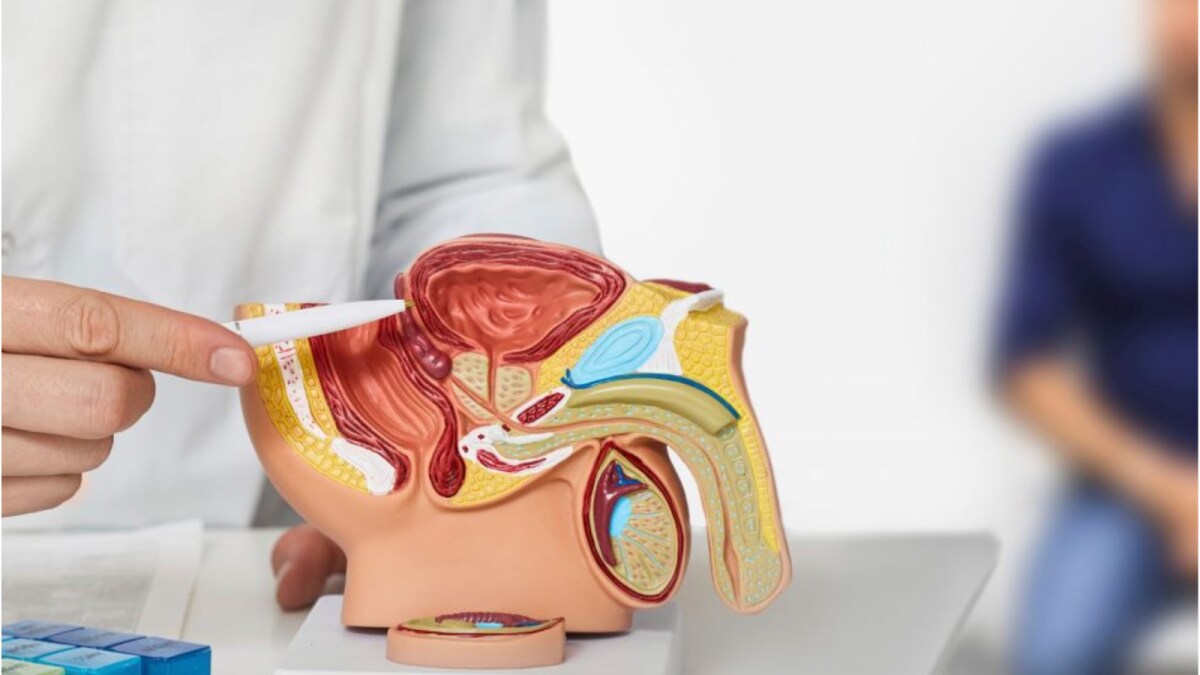
Waking up often to pee at night might mean your prostate is enlarged.
This is called BPH and is common in men over 50.
It can make it hard to pee and feel like your bladder isn't empty.
Doctors can check with tests and fix it with medicine or simple treatments.
Don't ignore it, as it can affect your sleep and health.
Treatments like steam therapy can help you feel better without big surgery.

Frequent night-time urination (nocturia) in men, especially over 50, may indicate an enlarged prostate (BPH).
Symptoms include difficulty starting or stopping urine flow, dribbling, and a feeling of incomplete bladder emptying.
Persistent nocturia can affect sleep, mood, energy, and overall health, and may signal underlying issues like infections.
Diagnosis involves tests like urine analysis, PSA blood test, ultrasound, or uroflowmetry.
Treatments range from medications to minimally invasive procedures like water-vapour therapy, which shrinks prostate tissue with steam.
- Who
- Men, particularly those over 50
- What
- Frequent night-time urination (nocturia) may indicate an enlarged prostate (BPH)
- When
- As men age, the prostate naturally grows, but BPH can occur at any time after 50
- Where
- Worldwide, affecting millions of men
- Why
- An enlarged prostate presses against the urethra, interfering with normal urine flow
- Condition
- Benign Prostatic Hyperplasia (BPH)
- Common Age Group
- Men over 50
- Symptoms
- Frequent urination, difficulty starting/stopping urine flow, incomplete bladder emptying
- Diagnostic Tests
- Urine analysis, PSA blood test, ultrasound, uroflowmetry
- Treatment Options
- Medications, water-vapour therapy, laser therapy, minimally invasive surgery