Archive · 8 Oct 2026
UN Warns El Niño Will Intensify Before December Peak
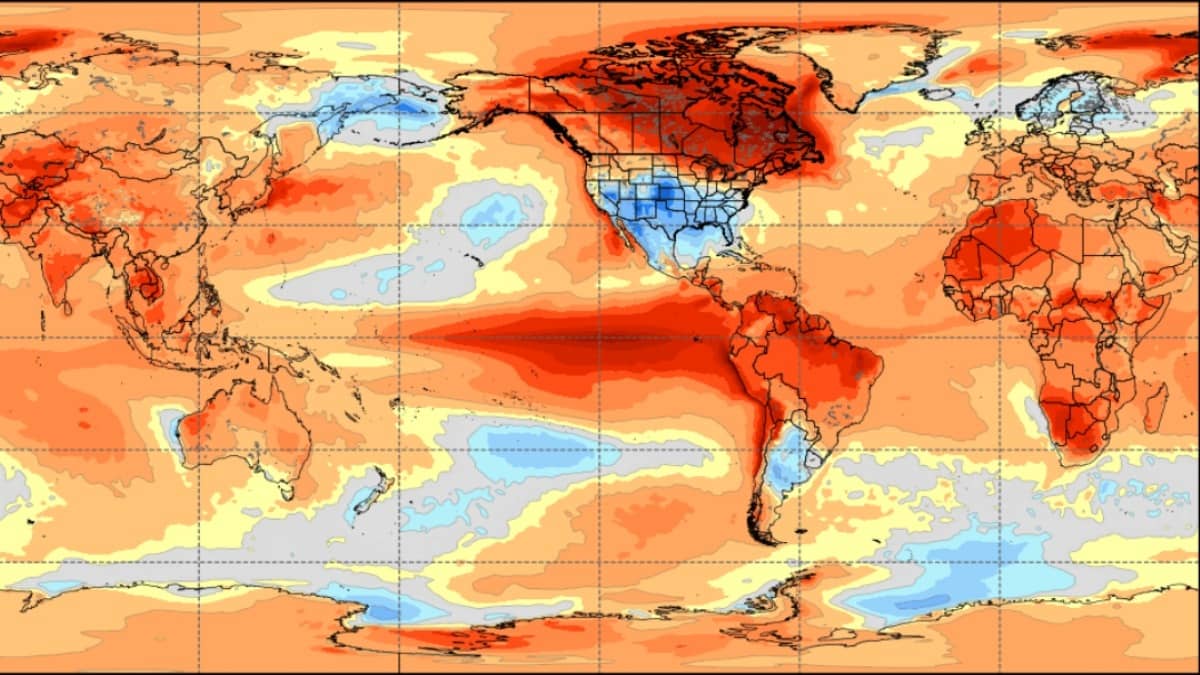
El Niño is a natural pattern that warms parts of the Pacific Ocean.
The WMO says this El Niño is getting stronger and is expected to peak in December.
It is very likely to last through February 2027.
Ocean temperatures in the central and eastern tropical Pacific could reach a record level.
El Niño can make temperatures higher in many places and change where rain falls.
Some places may face drought, while others may get heavy rain and floods.
Reports say drought is already harming crops and animals in Central America, and that parts of India have also experienced drought.
Researchers separately estimated that the event could be linked to as many as 451,000 excess deaths, but this is a projection, not a confirmed count.

The World Meteorological Organization says El Niño is strengthening and is forecast to peak in December.
The WMO puts the likelihood of the event lasting through February 2027 at nearly 100%, and says it could be among the strongest since at least 1950.
Central and eastern tropical Pacific sea-surface temperatures are forecast to reach about 3.7°C above normal in October–December 2026, exceeding the cited 2015–2016 record of 2.6°C.
The WMO warns that the event may bring above-average temperatures and shift rainfall patterns, raising drought and flood risks in different regions.
Reports cite drought impacts in Central America and parts of India; University of Chicago Climate Impact Lab researchers separately projected up to 451,000 excess deaths globally from June 2026 to February 2027.
- Who
- The World Meteorological Organization issued the forecast; Secretary-General Celeste Saulo commented on it.
- What
- El Niño is forecast to intensify, peak in December, and likely persist through February 2027, with record Pacific sea-surface temperatures possible.
- When
- The WMO bulletin was reported on Thursday; the forecast peak is in December 2026, with persistence likely through February 2027.
- Where
- The event is centered in the central and eastern tropical Pacific and can affect weather worldwide.
- Why
- El Niño changes ocean temperatures and weather patterns, including winds and rainfall, raising the risk of heat, drought, and floods.
- Forecast peak
- December 2026
- Forecast duration
- Nearly 100% likelihood of persisting through February 2027, according to the WMO
- Forecast sea-surface temperature anomaly
- About 3.7°C above normal in October–December 2026
- Previous cited record anomaly
- 2.6°C above normal in 2015–2016
- Forecast basis
- Consensus across 13 national and international meteorological centres
- Reported regional effects
- Drought impacts in Central America; reports also cite drought declarations in Maharashtra and Karnataka, India
- Separate mortality projection
- University of Chicago Climate Impact Lab researchers projected up to 451,000 excess deaths globally from June 2026 to February 2027
Sources

UN weather body says El Niño set to intensify and last until February 2027

El Niño set to intensify before December peak, last until February 2027, says UN weather body
'Earth Almost Entirely in Red': UN Warns Super-Duper El Niño Could Intensify Last Until February 2027

El Nino Will Intensify, Then Peak in December: UN