Archive · 8 Jan 2026
Waist-To-Height Ratio Better Than BMI For Obesity Risk
A new study found that measuring your waist size compared to your height is a better way to check for obesity risk in older adults than the commonly used BMI.
BMI doesn't tell the difference between fat and muscle, but the waist-to-height ratio shows how much fat is around your belly, which can be bad for your health.
The study looked at data from England over many years and found that changes in the environment, not just personal habits, are making more people obese.
This means that as people get older, more might be at risk.
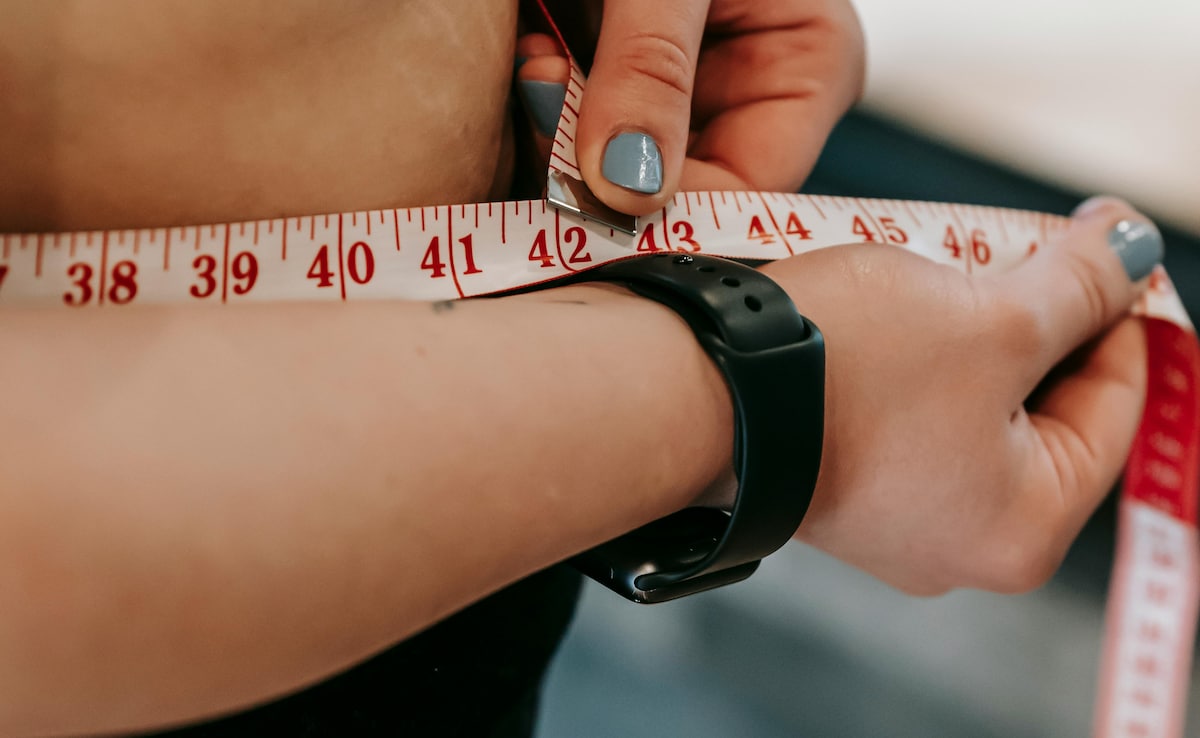
Using the waist-to-height ratio is easier for people to understand and can help them check their own health risk with just a measuring tape.
The researchers say this could help doctors find and treat more people who need help.

Waist-to-height ratio is more accurate than BMI for detecting obesity risk in older adults.
BMI does not distinguish between fat and muscle mass, unlike waist-to-height ratio which reflects visceral fat.
The study analyzed obesity trends in England from 2005 to 2021 using data from the Health Survey for England.
Environmental changes over time, not just individual behaviors, are driving increases in obesity.
Waist-to-height ratio is easier for individuals to understand and self-assess compared to BMI.
- Who
- Researchers from the Universities of Sheffield and Nottingham
- What
- Studied obesity trends and measurement methods in older adults
- When
- Between 2005 and 2021
- Where
- England
- Why
- To identify better indicators of obesity risk and support preventive care
- Study Focus
- Obesity risk in older adults
- Key Finding
- Waist-to-height ratio is more accurate than BMI
- Study Period
- 2005-2021
- Data Source
- Health Survey for England
- Research Institutions
- Universities of Sheffield and Nottingham
- Health Impact
- Better reflects visceral fat and health risks
- Preventive Measure
- Easier for individuals to self-assess