Archive · 23 Sep 2026
China Warns US of Taiwan, Human Rights Red Lines
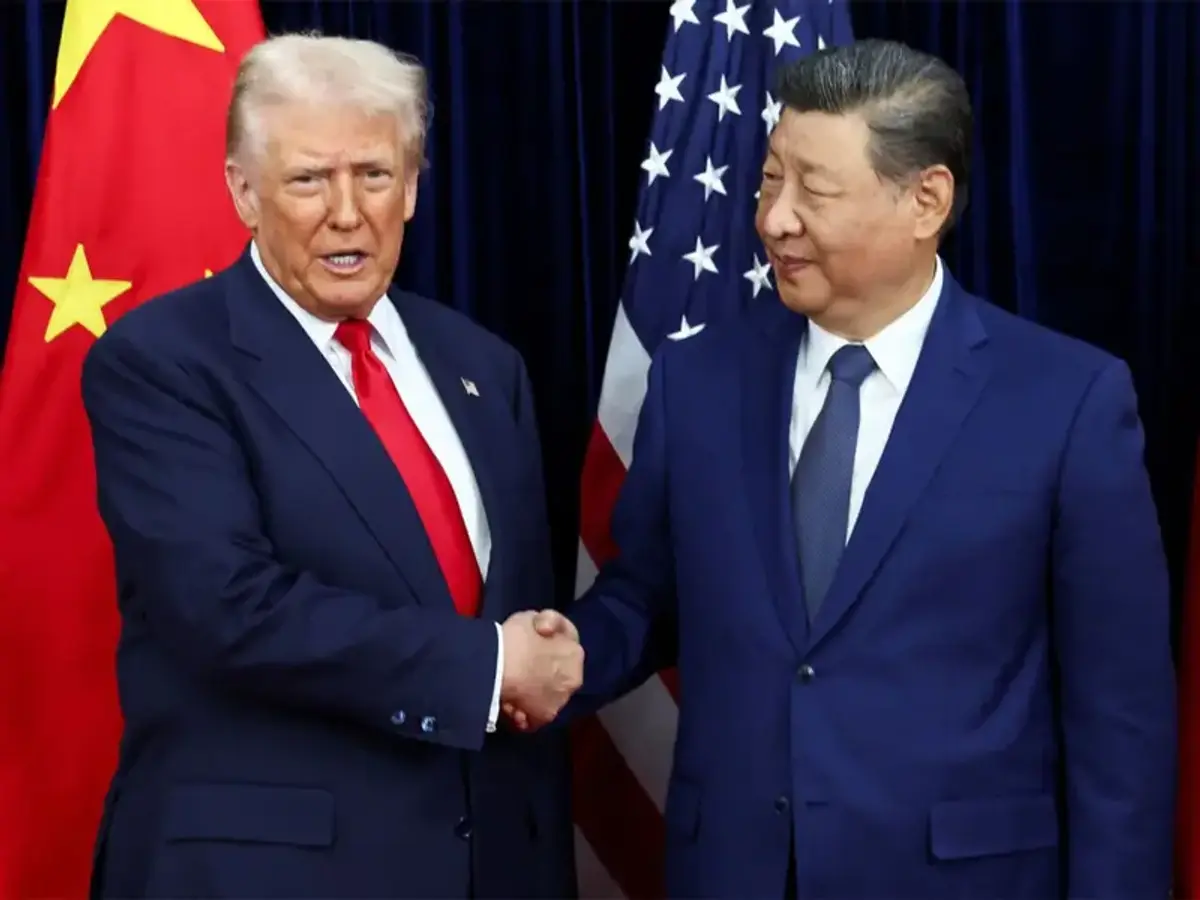
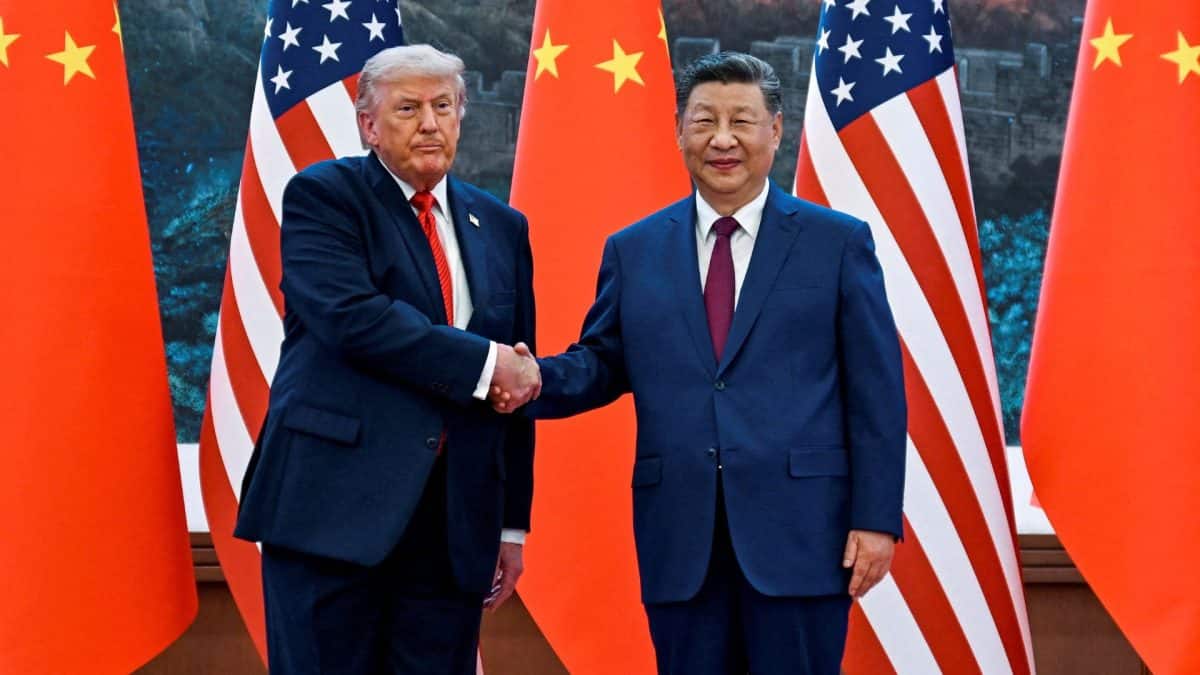
China and the United States were preparing for a meeting between their leaders.
Before the meeting, China said some issues were too important to challenge.
These included Taiwan, human rights, China’s political system, and China’s right to develop.
China called these issues “red lines.”
China’s ambassador also criticized American reasons for restricting China.
He said the two countries should act honestly and cooperate.
A Chinese newspaper commentary blamed repeated problems on America’s view of China and its focus on competition.
The United States’ position on the warning was not provided in the articles.

Chinese Ambassador Xie Feng said Taiwan, human rights, China’s political system, and development rights are four non-negotiable red lines.
The warning appeared in the Communist Party’s official People’s Daily before Xi Jinping’s planned meeting with Donald Trump in Washington.
Xie urged the United States to stop citing national security, economic imbalances, and forced labor to constrain China’s development.
A separate People’s Daily commentary blamed recurring tensions on Washington’s view of China and its focus on strategic competition.
China said cooperation benefits both countries, while confrontation harms both, and called for stable policies and honored commitments.
- Who
- Chinese Ambassador Xie Feng, Chinese President Xi Jinping, and US President Donald Trump are central figures.
- What
- China warned that four issues—including Taiwan and human rights—must not be challenged before a leaders’ summit.
- When
- The warning was issued before Xi Jinping was due to travel to Washington for talks with Donald Trump.
- Where
- The warning was published in the People’s Daily, and the planned summit was to take place in Washington, United States.
- Why
- China said its sovereignty, security, and development interests must be protected and urged the United States to provide greater policy stability.
China’s position
Taiwan and United States context
Taiwan’s status
China’s position
China regards Taiwan as part of its territory and says the Taiwan question cannot be challenged.
Taiwan and United States context
Authorities in Taipei reject China’s position; the United States is described as Taiwan’s principal arms supplier and most significant international backer despite lacking formal diplomatic relations.
Source of bilateral tensions
China’s position
Chinese officials and commentary blamed Washington’s flawed perception of China and continued focus on strategic competition for recurring difficulties.
Taiwan and United States context
The articles do not provide a direct US response, but they describe disputes involving trade, Taiwan, national security, economic imbalances, and forced labor.
Managing disagreements
China’s position
China called for mutual good faith, policy continuity, honored commitments, and cooperation between the two countries.
Taiwan and United States context
The articles do not state a separate US position on how the disagreements should be managed.
- Chinese ambassador
- Xie Feng, China’s ambassador to the United States
- Four red lines
- Taiwan; democracy and human rights; development paths and systems; and development rights
- Planned summit
- Xi Jinping was set to meet Donald Trump in Washington
- Chinese publication
- The warning appeared in the Communist Party’s official People’s Daily
- Issues criticized by China
- National security, economic imbalances, and forced labor were described as pretexts to constrain China
- China’s stated preference
- China said cooperation benefits both countries, while confrontation harms both
- Commentary byline
- A separate foreign-policy commentary was published under the pen name “Zhong Sheng,” meaning “Voice of China”