

Archive · 23 Jul 2025
Gemstone Certification: A Buyer's Guide for the Booming Indian Market
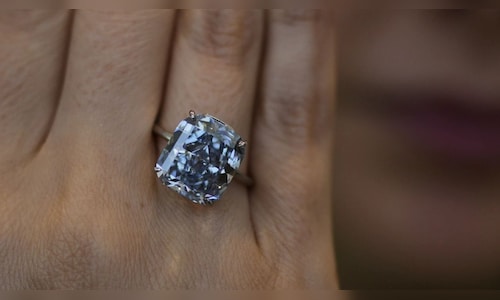
Gemstone certification is like a report card for a gem, telling you all about it.
It's done by independent labs, and it tells you the stone's type, quality, and where it came from.
This is important because it helps buyers, especially young people, know exactly what they're getting, and if it's a good investment.
The reports can be physical or digital, making sure that the information is true and that nobody is trying to sell you a fake gem.
It helps to make sure that the growing jewelry market in India stays honest and trustworthy.

Gemstone certification provides a report from an independent lab on a stone's type, quality, and origin.
Certification helps buyers understand the difference between natural and lab-grown gemstones.
The Indian jewellery market is booming, with the government aiming for a $200 billion industry by 2030.
Younger buyers increasingly seek certified gemstones, viewing them as potential investments.
Buyers should seek certificates from accredited labs, with digital verification options available.
- Who
- Buyers and the jewellery industry are impacted by gemstone certification.
- What
- Gemstone certification verifies a stone's characteristics through independent lab reports.
- When
- The need for gemstone certification is growing now.
- Where
- Certification is becoming vital for India’s jewellery market.
- Why
- Certification ensures trust, transparency, and helps buyers make informed decisions in a growing market.
- Market Goal
- $200 billion by 2030 (India's Jewellery Market)
- Verification Details
- Stone type, quality, weight, color, origin, and any treatments are verified.
- Key Benefit
- Builds buyer confidence and helps meet global standards.
- Target Buyers
- Millennials and Gen Z are driving demand for certified gems.
- Lab Accreditation
- Look for accreditation from Bureau of Indian Standards or Responsible Jewellery Council.