

Archive · 23 Aug 2026
U.S. Production Hits Record as Hormuz Tensions Lift Oil Prices
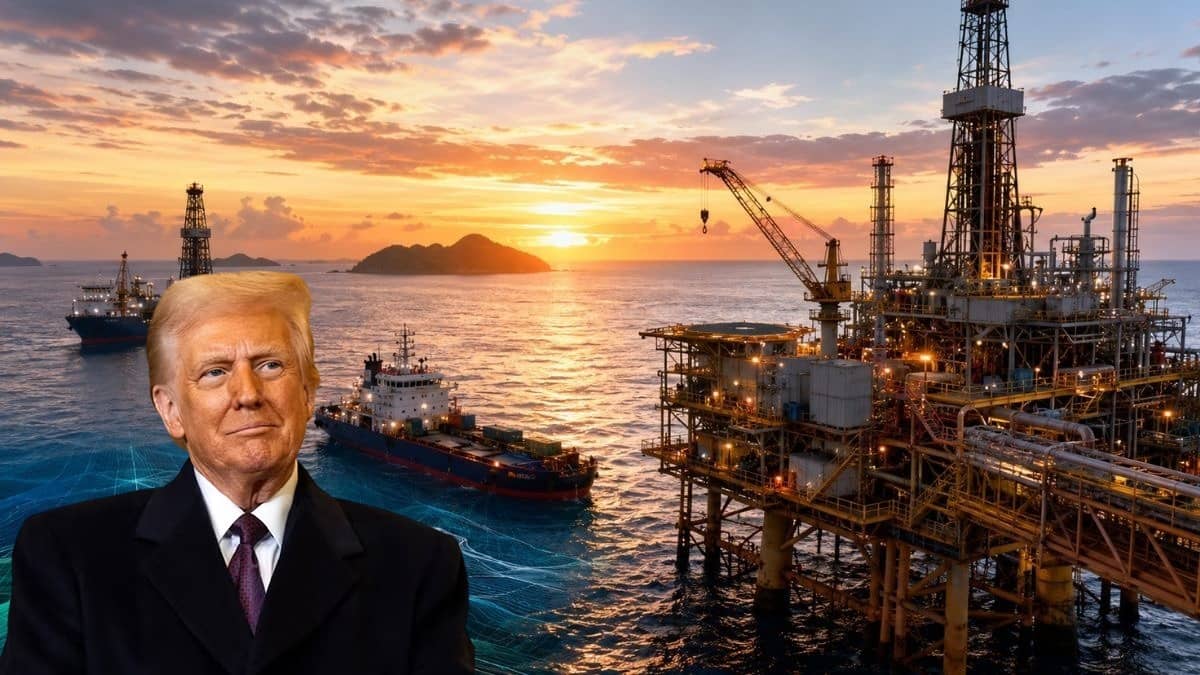
United States officials say American workers are producing more oil and gas than ever before.
Energy Secretary Chris Wright credited President Donald Trump's policies for helping increase production.
The Strait of Hormuz is an important route for ships carrying oil.
Wright said the United States military helped move more than 15 million barrels through the strait on Tuesday.
He also said average daily shipments leaving the area rose above 8 million barrels.
The United States and Iran remain in a tense standoff.
Iran says it wants an agreement but rejects conditions it considers unacceptable.
Oil prices rose because traders worry that shipments could be disrupted if tensions become worse.

Energy Secretary Chris Wright said United States oil and gas production has reached an all-time high.
Wright credited President Donald Trump's energy policies with boosting domestic production and lowering costs.
More than 15 million barrels of oil and petroleum products moved through the Strait of Hormuz with United States military assistance on Tuesday.
The seven-day average of oil leaving the strait rose above 8 million barrels per day, according to Wright.
Brent crude ended the week at $94.39 a barrel, while West Texas Intermediate settled at $87.06 amid concerns over regional tensions.
- Who
- Energy Secretary Chris Wright, President Donald Trump, United States oil and gas workers, the United States military, and Iran are central to the report.
- What
- United States oil and gas production reached a reported record while military-assisted shipments continued through the Strait of Hormuz.
- When
- Wright made the production statement on Saturday local time; he said the 15-million-barrel movement occurred on Tuesday.
- Where
- The production increase concerns the United States, while the reported oil shipments moved through or out of the Strait of Hormuz and the Gulf region.
- Why
- Wright attributed higher production to the Trump administration's energy policies, while regional tensions have prompted military support for energy shipments and raised market concerns.
Washington's Position
Tehran's Position
Diplomacy and pressure
Washington's Position
The United States has increased economic pressure on Iran, including threats of tougher sanctions, while seeking to maintain energy flows.
Tehran's Position
Iran says it wants an agreement but rejects conditions it considers unacceptable.
Security of oil shipments
Washington's Position
Chris Wright said United States military and naval support is helping oil flow through the Strait of Hormuz.
Tehran's Position
Traders remain concerned that flows depend heavily on military support and could be vulnerable to renewed escalation.
- Production status
- Chris Wright said United States oil and gas production reached an all-time high.
- Global position
- Wright said the United States is the world's largest producer of oil and natural gas.
- Hormuz shipments
- More than 15 million barrels of oil and petroleum products moved through the strait with United States military assistance on Tuesday.
- Seven-day flow average
- Oil leaving the Strait of Hormuz averaged more than 8 million barrels per day over seven days, according to Wright.
- Additional regional shipments
- Total shipments leaving the region, including pipeline volumes, approached 20 million barrels on Tuesday.
- Brent crude
- Brent crude ended the week at approximately $94.39 per barrel, up 6.6 percent over the week.
- West Texas Intermediate
- West Texas Intermediate settled at $87.06 per barrel.