

Archive · 7 Sep 2026
West Asia War Pushes Surat Textile Prices Higher Before Diwali
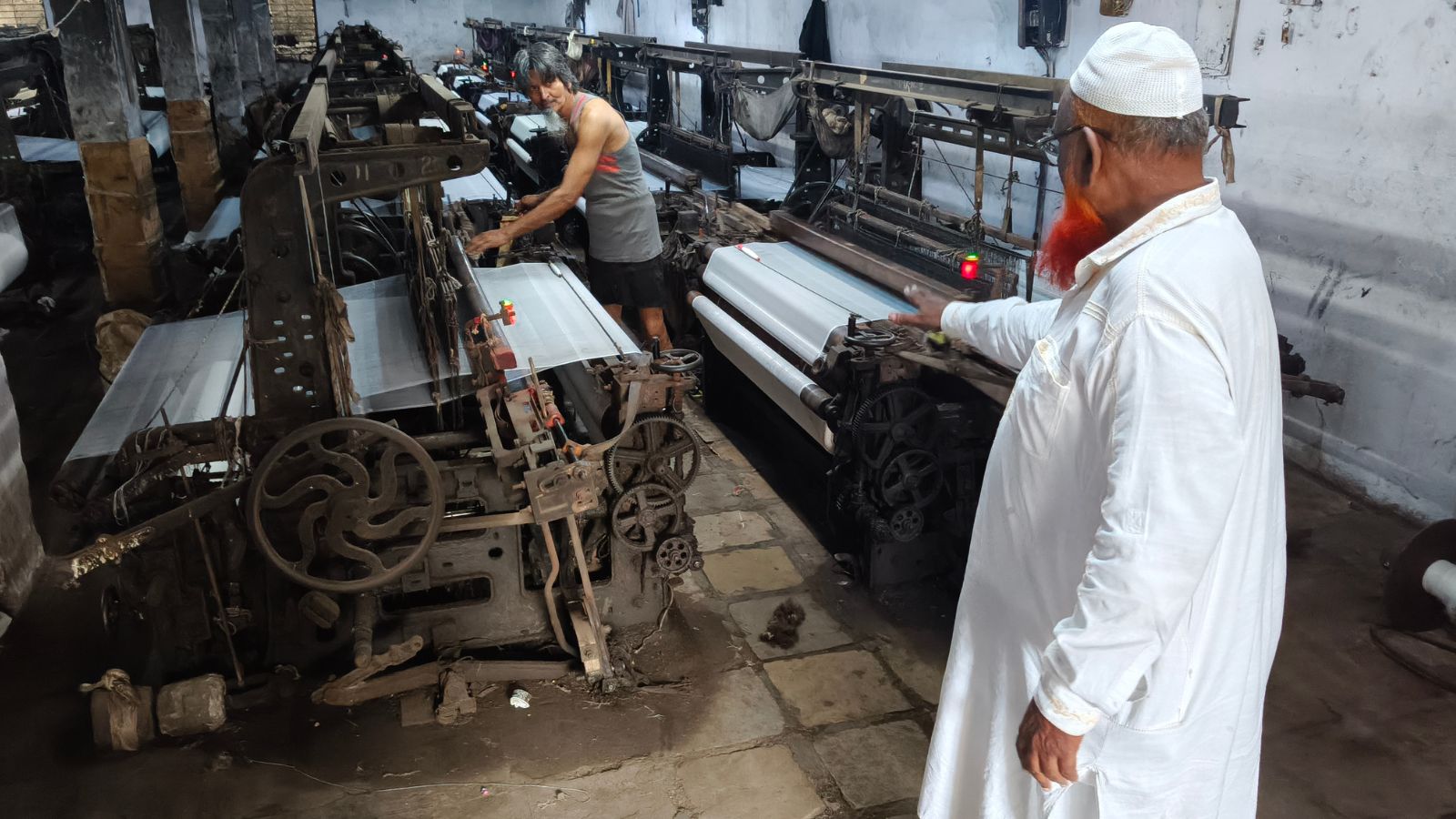
Factories in Surat make cloth that is sold across India for clothes and sarees.
A conflict in West Asia disrupted supplies of fuel and chemicals used by the textile industry.
This made yarn, coal, electricity and other production costs more expensive.
A shortage of cooking gas also caused some migrant workers to return temporarily to their home states.
When workers came back, some received higher pay.
Dyeing and printing mills then announced that they would charge traders 15% more.
Traders disagreed because customers still expected the old prices.
Textile sellers say a saree or other garment could cost about 30% more this Diwali.
They still expect many people to buy during the festival season.

Surat powerloom units face higher costs for yarn, labor, electricity and fuel after West Asia-related disruptions.
Workers returned to their home states during an LPG shortage, and some later secured higher production-based wages.
The Southern Gujarat Textile Processing Association announced a 15% processing-charge increase effective September 7.
Textile traders rejected the proposed increase, while buyers continued demanding older prices despite rising costs.
Industry representatives expect textile prices to rise about 30% before Diwali, although demand remains strong.
- Who
- Surat powerloom owners, migrant workers, dyeing and printing mills, textile traders and buyers across India.
- What
- Rising production costs and a disputed processing-charge increase are expected to make Surat-made textiles about 30% more expensive before Diwali.
- When
- The pressures developed this year; the processing increase was announced for September 7, ahead of Diwali.
- Where
- Surat, Gujarat, particularly the Udhna industrial area, with textiles shipped to markets across India.
- Why
- West Asia-related supply disruptions, higher coal and yarn prices, increased electricity tariffs, labor costs and an LPG shortage have raised expenses.
Processing Mills
Textile Traders
Higher processing charges
Processing Mills
The Southern Gujarat Textile Processing Association says higher imported-coal costs, monsoon restrictions on lignite mining and geopolitical disruptions justify a 15% increase.
Textile Traders
The Federation of Surat Textile Traders Association says the increase was imposed unilaterally without consultation and should be withdrawn.
Passing on higher costs
Processing Mills
Manufacturers and processing mills say yarn, labor, power and fuel costs have risen and must be reflected in prices to maintain operations.
Textile Traders
Traders and out-of-state buyers continue to seek older rates, arguing that raising prices risks losing business to competitors offering lower margins.
- Powerloom workforce
- Govind Nagar Industrial Estate in Udhna has more than 500 powerloom units; Surat's wider textile ecosystem employs over 18 lakh people.
- Yarn price
- Partially Oriented Yarn was reported at about Rs 180 per kilogram, up from roughly Rs 140-150.
- Electricity tariff
- Dakshin Gujarat Vij Company Limited raised the tariff from Rs 7.30 to Rs 9.15 per unit.
- Worker pay
- At one unit, production-based pay rose from Rs 1.80 to Rs 1.95 per metre after workers returned from their home states.
- Processing increase
- The Southern Gujarat Textile Processing Association announced a 15% increase, adding about Rs 1.50 per metre.
- Coal costs
- Reported non-coking coal prices rose from around Rs 6,000 to Rs 9,500 per tonne.
- Output
- A sector veteran said daily fabric output had fallen from about 6 crore metres to under 4.5 crore metres.
- Expected retail impact
- A saree priced at Rs 200 last Diwali could cost about Rs 260 this year, according to a Surat textile-market representative.