

Archive · 21 Aug 2025
Crohn's Disease: Symptoms, and Body Impacts
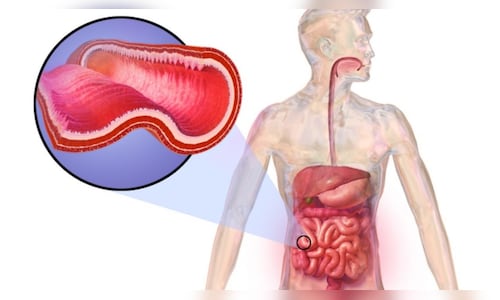
Crohn's disease is a long-term illness where the digestive system gets inflamed, causing pain and other issues.
It can affect anywhere from your mouth to your bottom.
People with Crohn's might get mouth sores, belly aches, and lose weight.
Sometimes, it can cause problems like blocked intestines, arthritis, or problems with blood.
Doctors use different treatments, like medicines and sometimes surgery, to help manage the symptoms and help people live normal lives.
It's important to see a doctor if you think you have it.

Crohn's disease causes inflammation in the GI tract, potentially from mouth to anus.
Symptoms include abdominal pain, diarrhea, weight loss, and rectal bleeding.
It can lead to mouth ulcers, intestinal blockages, and arthritis.
Iron deficiency anemia and anal fissures are possible complications.
Crohn's disease can also affect the liver and cause fistulas.
- Who
- Crohn's disease impacts people with persistent GI inflammation.
- What
- Crohn's disease is a chronic inflammatory condition affecting the GI tract.
- When
- Crohn's disease is a lifelong condition.
- Where
- Inflammation can occur from the mouth to the anus.
- Why
- The inflammation causes various symptoms and complications throughout the body.
- Type
- Autoimmune condition
- Affected Area
- GI tract
- Common Symptoms
- Abdominal pain, diarrhea
- Treatments
- Medications, surgery
- Other Issues
- Mouth ulcers, arthritis, anal fissures, liver problems