

Archive · 19 Jul 2026
India's Vikram-1 Launch Marks Milestone in LEO Race
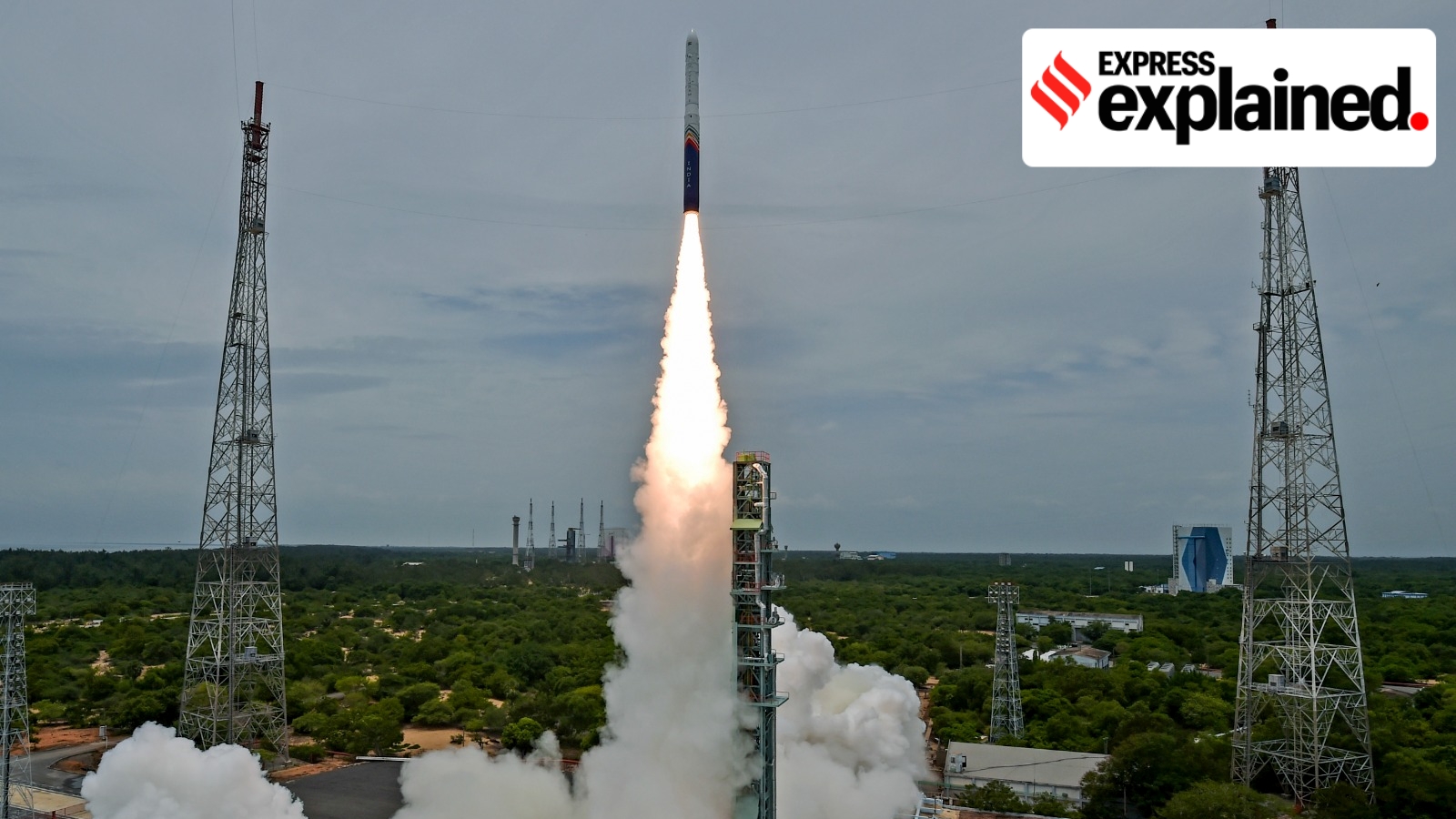
India's first privately developed rocket, Vikram-1, successfully launched several small satellites into space on July 18, 2024.
This makes India only the third country, after the US and China, to have private companies that can launch rockets.
The rocket was made by a company called Skyroot Aerospace and can carry up to 350 kg of satellites.
The area where these satellites are placed, called Low Earth Orbit (LEO), is very important because it's close to Earth and helps with communication and observing our planet.
Many countries are trying to place their satellites in LEO, and India's success is a big step forward.
However, India still has a lot of work to do to catch up with other countries in terms of the number of launches and having reusable rockets.

India's first privately developed launch vehicle, Vikram-1, successfully placed satellites in Low Earth orbit (LEO) on July 18, 2024.
The launch makes India the third country, after the US and China, to have private space launch capability.
Vikram-1, developed by Skyroot Aerospace, can carry a payload of up to 350 kg to LEO.
LEO is a crucial region for satellites due to its proximity to Earth, reducing signal latency and making it ideal for communication and Earth observation.
India needs to increase its launch frequency and develop reusable rockets to compete in the LEO race, with ISRO's reusable rocket projected to be operational only in the mid-2030s.
- Who
- Skyroot Aerospace, a Hyderabad-based private company, launched India's first privately developed launch vehicle, Vikram-1.
- What
- Vikram-1 successfully placed several technology demonstration satellites in Low Earth orbit (LEO).
- When
- The launch took place on July 18, 2024.
- Where
- The launch occurred from Sriharikota, India.
- Why
- The launch signifies India's entry into the private space launch capability, making it the third country after the US and China.
- Launch Date
- July 18, 2024
- Launch Vehicle
- Vikram-1
- Developer
- Skyroot Aerospace
- Payload Capacity
- Up to 350 kg to LEO
- LEO Range
- 160 km to 2,000 km above Earth's surface
- Orbital Slots
- First-come-first-served basis
- Government Support
- Rs 1,000-crore venture capital fund for space startups
- ISRO's Reusable Rocket
- Projected to be operational in mid-2030s