

Archive · 10 Nov 2025
Marketers Navigate AI, Inclusion, and Brand Evolution Amidst Industry Shifts
Imagine marketing is like a big game where new tools, like super-smart computer helpers called AI, are changing the rules.
Marketers have to be really good at using these tools but also make sure they are fair to everyone and understand what people really want.
It's tough because they need to do more with less money and convince people to pay attention when there are so many ads.
They also need to make sure the AI helpers aren't biased, meaning they don't unfairly favor certain groups.
Old brands need to learn to be fast like new brands, and new brands need to learn to be steady like old brands.
Creating ads in local languages is also super important because many new internet users speak those languages.
And for quick shopping apps, it's not just about getting things fast, but about brands being part of our daily lives with personalized offers.
Making sure AI works well for everyone, no matter their gender or language, is key to avoid unfairness.

Marketers face challenges of powering growth with fewer resources and proving the ROI of their investments amidst consumer fatigue.
Legacy brands can learn agility and experimentation from challenger brands, while challengers can benefit from legacy players' discipline and institutional knowledge.
Regional content is crucial for reaching new consumers who are mobile-first and prefer local languages, as seen in successful campaigns leveraging vernacular storytelling.
Quick commerce is a rapidly growing sector in India, driven by speed and impulse, with significant potential in Tier-2 and Tier-3 cities.
Addressing gender and linguistic bias in AI is critical for fair outcomes, with initiatives like MMA India's AI Inclusivity Taskforce working towards inclusive datasets and models.
- Who
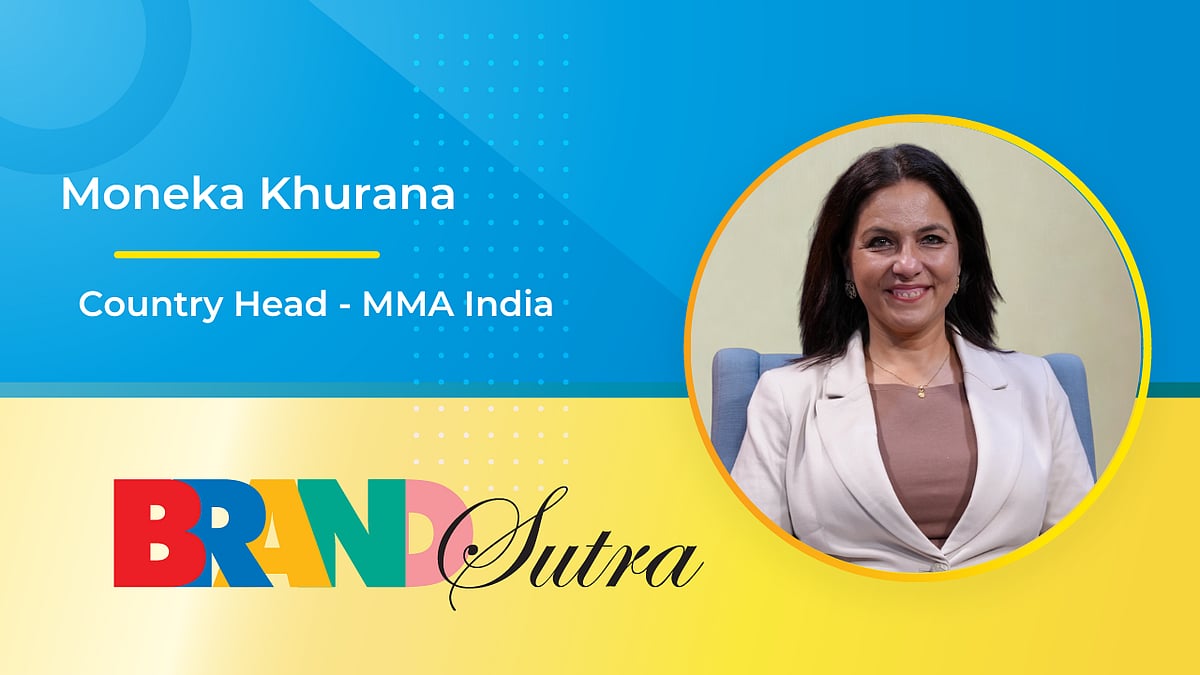
- Marketers and industry leaders like Moneka (Country Head of MMA India)
- What
- Discussing challenges and strategies in modern marketing, including the impact of AI, brand dynamics, regional content, quick commerce, and inclusivity.
- When
- Present day, reflecting on current industry shifts and future trends.
- Where
- Primarily within the Indian marketing ecosystem, with broader implications for global trends.
- Why
- To understand how marketers can achieve growth, maintain relevance, and foster inclusivity amidst rapid technological and consumer-driven changes.
- Quick Commerce Growth
- Projected to double to nearly 20% of India's e-retail market, valued at USD 40-50 billion by 2030.
- Regional Content Imperative
- Crucial for reaching the next billion mobile-first, local-language-first consumers.
- AI Inclusivity Focus
- MMA India established an AI Inclusivity Taskforce to address gender and linguistic bias.
- Legacy vs. Challenger Brands
- Legacy brands offer scale and trust; challengers bring speed and agility.
- Bias in AI
- Nearly 70% of AI language model bias incidents occur in regional languages.