

44 mins ago
Telugu Filmmakers Rethink India’s Overused Pan-India Film Label

Nani says the phrase “Pan-India” is being used too often for Indian movies.
His film The Paradise will release in several languages, but it is mainly made for Telugu viewers.
Some producers believe films should first become successful in their home market.
They say a wider release should happen naturally when the story connects with people elsewhere.
Rana Daggubati has also questioned whether the phrase is still useful.
Producer Ravi Shankar Yellamanchili says the label can make movie budgets much larger.
He points to Irumudi as an example of a film made with a controlled budget that reportedly earned about ₹200 crore.
A Hindi distributor says only some Telugu stars have built strong audiences in the Hindi market.

Nani said “Pan-India” is an overused and abused term, while identifying The Paradise’s main target as Telugu audiences.
Several producers argue that Telugu films should first succeed locally instead of automatically pursuing wider markets.
Rana Daggubati, who helped popularize the concept through Baahubali, has also called the term stupid and increasingly unnecessary.
Producer Ravi Shankar Yellamanchili warned that the label can multiply budgets by four or five times and make recovery harder.
A Hindi distributor said the success of Prabhas and Allu Arjun in Hindi-speaking markets cannot necessarily be replicated by every Telugu star.
- Who
- Actor Nani, Rana Daggubati, producer Ravi Shankar Yellamanchili, other Telugu producers, and a Hindi distributor.
- What
- They are debating whether “Pan-India” is an overused marketing label and whether Telugu films should prioritize their local audience.
- Where
- The issue concerns the Telugu film industry and its efforts to reach Hindi-speaking and other regional markets.
- When
- The discussion is taking place as Telugu films are increasingly promoted for release across multiple Indian languages.
- Why
- Critics say the label can exaggerate a film’s scale, inflate budgets, and create unrealistic expectations about demand outside Telugu-speaking markets.
Focus on Telugu Audiences
Pursue Wider Indian Markets
Use of the label
Focus on Telugu Audiences
Nani and supporting producers say “Pan-India” is overused or misused and should not automatically be attached to regional films.
Pursue Wider Indian Markets
The term was initially useful for describing regional films that made a significant impact in North India, according to the discussion around Rana Daggubati’s earlier comments.
Release strategy
Focus on Telugu Audiences
Filmmakers should first make strong local stories that succeed with Telugu audiences; other markets may follow naturally.
Pursue Wider Indian Markets
Releasing films in multiple languages and targeting wider markets can help projects reach audiences beyond the Telugu market.
Scale and budgets
Focus on Telugu Audiences
Expanding every project into a Pan-India production can lead to larger budgets, wider releases, and more difficult financial recovery.
Pursue Wider Indian Markets
Larger production values, multiple markets, and broader casting may be justified when a film has genuine cross-regional potential.
Key facts
- Film discussed
- The Paradise
- Main audience
- Telugu market
- Term criticized
- “Pan-India”
- Budget impact
- Ravi Shankar Yellamanchili said the label can increase a roughly ₹50 crore plan four to five times.
- Example cited
- Irumudi reportedly collected around ₹200 crore on a comparatively controlled budget.
- Market distinction
- Ravi Shankar Yellamanchili said regional cinema and Hindi cinema are different segments.
- Stars cited as successful in Hindi market
- Prabhas and Allu Arjun
Quotes
A Hindi distributor
Distributor commenting on Telugu stars’ prospects in the Hindi market
“Stop using the term ‘Pan-India.’ It’s an overused and abused term. Paradise will be released in all languages, but our target is mainly the Telugu market.”
 deccanchronicle.com
“Prabhas and Allu Arjun have created a clear identity in the Hindi market, but that does not mean every Telugu star can replicate it.”
deccanchronicle.com
Ravi Shankar Yellamanchili
Film producer with experience in large-scale and Telugu-centric projects
“I agree that regional cinema and Hindi cinema are two different segments, and we need to understand that difference.”
deccanchronicle.com
Sources
Related news
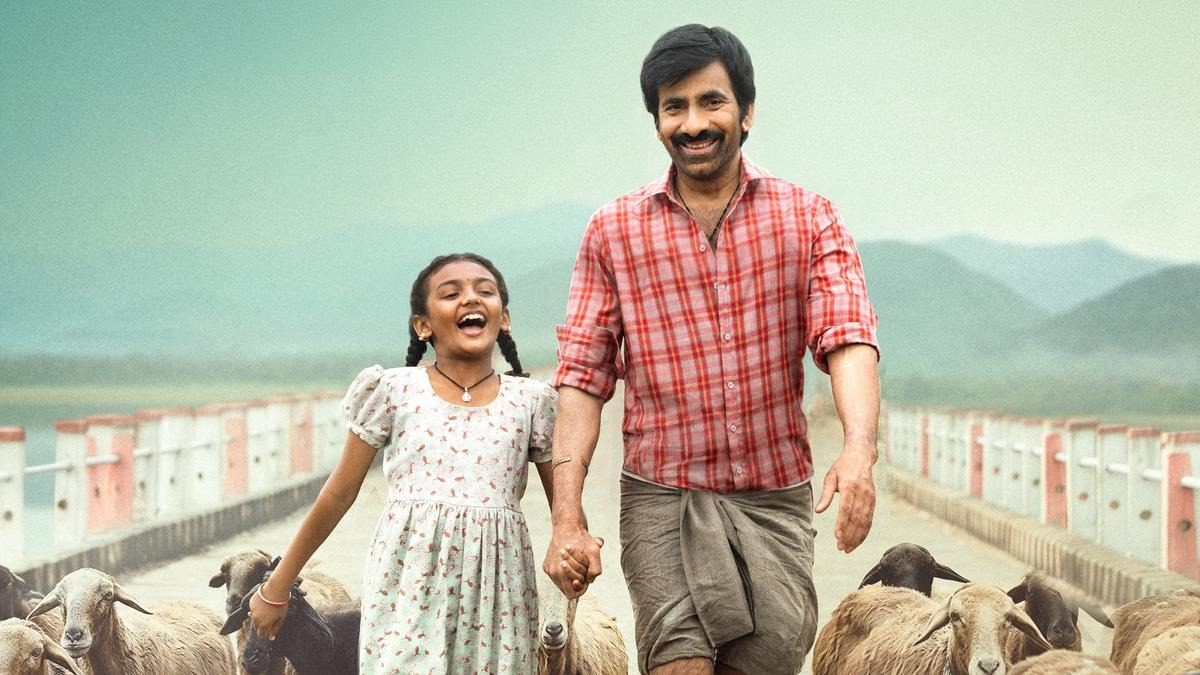
Irumudi Success Highlights Rooted Storytelling Over Pan-India Ambitions

Nani’s The Paradise Skips Trailer, Sets September 2026 Release

Nani Confirms The Paradise Will Release Without A Trailer

Nidhi Agarwal Takes On Telugu Cinema’s Female-Film Challenge

Anil Ravipudi’s Quirky Film Title Sparks Telugu Twitter Trolling

Kannada Stars Seek Stronger Foothold In Telugu States

Samyuktha Adds Ram Potheneni’s 23rd Film to Busy Lineup

JAVAJ Unveils New Consumer Product Range in Hyderabad

Shashwat Sachdev to Score Music for The India House
