

Archive · 28 May 2025
Oil-Eating Bacteria Discovered in Hyderabad Could Clean Pollution
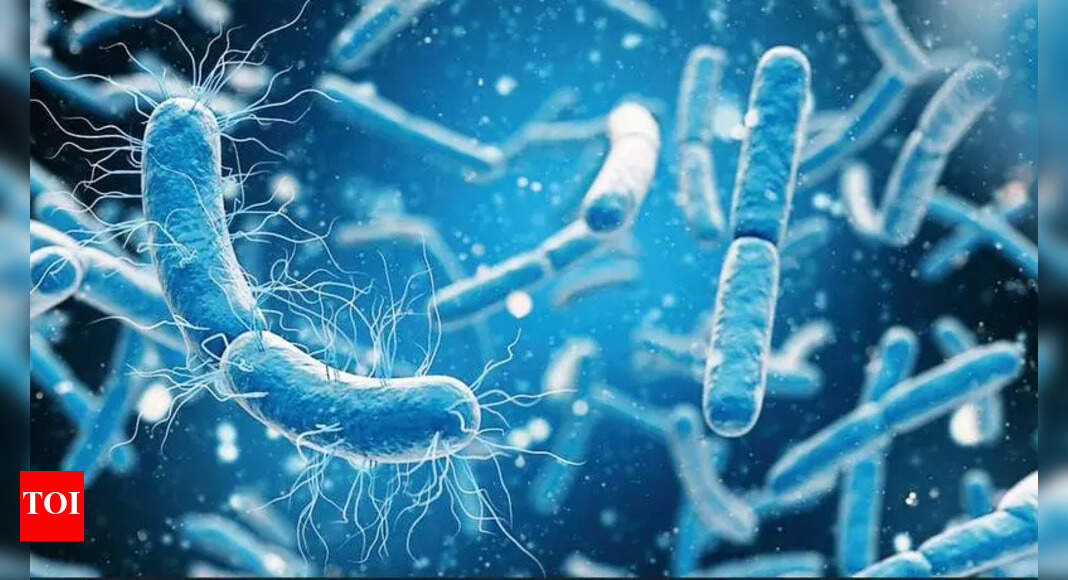
Scientists in Hyderabad have found a special type of bacteria that can eat up oil pollution.
This bacteria, called Rhodococcus indonesiensis SARSHI1, was found in a polluted area near Nacharam.
It can break down harmful petroleum in the soil, which is good news for the environment.
This bacteria also produces biosurfactants, which help to break down the oil.
Tests showed that this bacteria is safe for the environment, making it a promising solution for cleaning up oil spills and pollution.
This discovery is important because oil pollution can damage ecosystems and harm living things.

Researchers isolated a bacteria strain from a petroleum-contaminated site in Nacharam, Hyderabad.
The strain, Rhodococcus indonesiensis SARSHI1, can degrade petroleum hydrocarbons and produce biosurfactants.
The study was published in 'Nature Scientific Reports' on May 17.
The bacteria showed up to 90% efficiency in degrading hydrocarbons.
Phytotoxicity tests confirmed the strain's environmental safety.
- Who
- Researchers from In Silico Research Laboratory, Eminent Biosciences, and Banasthali Vidyapith.
- What
- Discovery of an oil-degrading bacteria strain.
- When
- Published in 'Nature Scientific Reports' on May 17.
- Where
- Nacharam, Hyderabad, India.
- Why
- To address petroleum hydrocarbon pollution caused by oil spills and industrial discharge.
- Bacteria Strain
- Rhodococcus indonesiensis SARSHI1
- Location of Discovery
- Nacharam, Hyderabad
- Hydrocarbon Degradation Efficiency
- Up to 90%
- Publication Date
- May 17
- Cause of Pollution
- Oil spills and industrial discharge