

Archive · 23 Jul 2025
RBI Study: Indian Households Overestimate Inflation
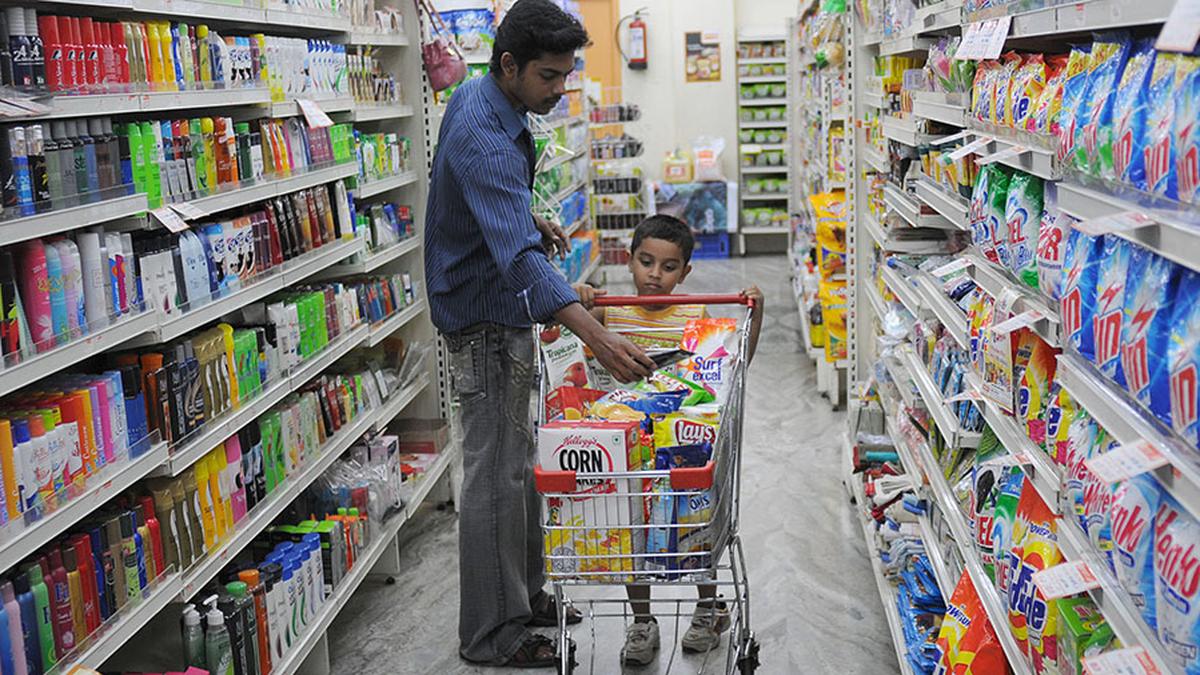
Imagine people thinking about how much things will cost in the future.
In India, regular people often think prices will go up more than experts do, even when prices are steady.
For a long time, households expected higher inflation, but these expectations are now decreasing.
This is due to things like how the government tries to control inflation and global changes.
Who you are, like your age or job, affects how you think about prices.
Older people or those with unstable jobs tend to expect higher inflation.
The main thing that affects how people expect prices to change is how food prices change.
This study highlights the importance of focusing on overall inflation to keep expectations stable.

RBI study indicates Indian households have an upward bias in inflation expectations.
Household expectations have exceeded professional forecasts for two decades.
Expectations have moderated with easing headline inflation in 2024-25:H2.
Demographic factors such as gender and age influence inflation expectations.
Macroeconomic shocks, particularly food price volatility, impact short-term expectations.
- Who
- RBI officials and Indian households
- What
- A study showing Indian household inflation expectations tend to be biased upwards.
- When
- The study's findings are reflected by recent data from 2024-2025:H2
- Where
- India
- Why
- To understand factors influencing household inflation expectations.
- Study Source
- RBI officials
- Key Finding
- Upward bias in household inflation expectations
- Influencing Factors
- Demographics, global inflation, food price volatility
- Impact
- Expectations are now decreasing due to various factors.
- Headline Inflation
- Shows signs of easing.
- Professional vs. Household
- Professionals have different expectations