Archive · 31 Oct 2025
Investor Behavior Diverges Across Indian Equity Segments
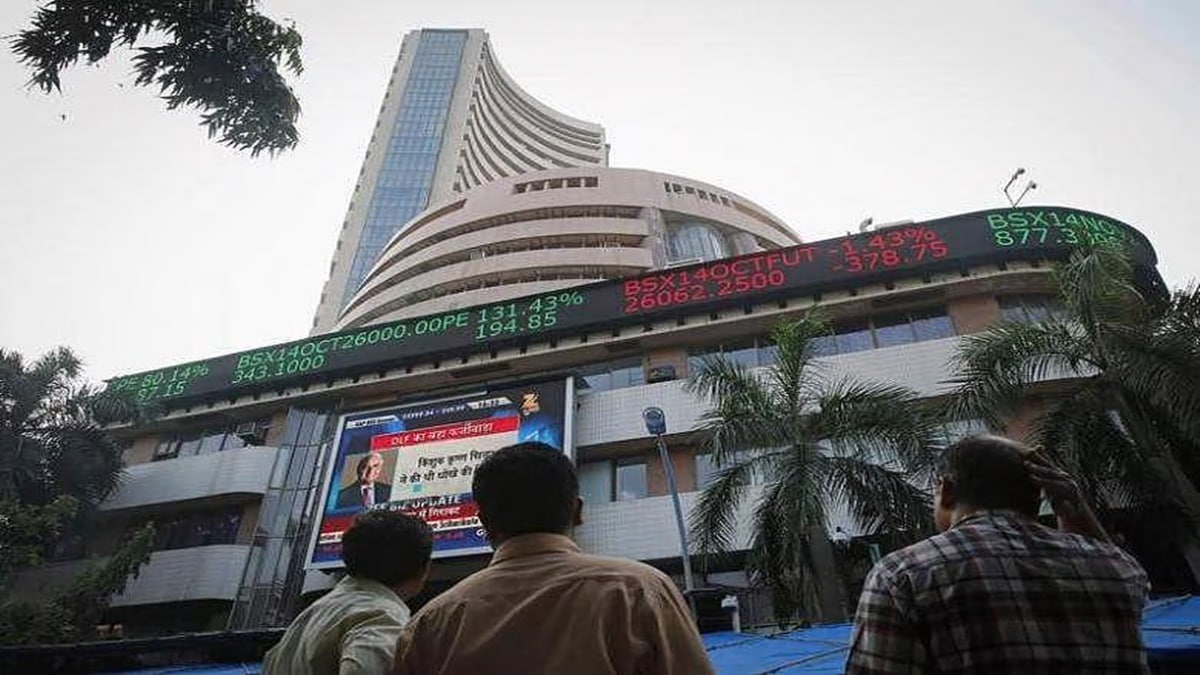
Different types of investors are putting their money into the Indian stock market in different ways.
Big foreign investors, who used to put most of their money in big companies, are now selling some of those and buying more stocks in medium and small companies.
On the other hand, Indian investors, like those in mutual funds, are still buying stocks of companies that sell everyday things and banks, which helps keep the market stable.
The original owners of companies, called promoters, are selling a bit of their ownership as these institutions buy more shares.
Regular people, like you and me, who invest smaller amounts, are also buying more into medium and small companies, especially in areas like media and real estate.
This means the Indian stock market is becoming more owned by people and companies inside India, making it stronger and less wobbly when big world events happen.

Foreign institutional investors (FIIs) are reducing large-cap exposure and increasing investments in mid- and small-cap stocks.
Domestic institutional investors (DIIs), including mutual funds and insurers, are consistently buying stocks in consumption and credit-linked sectors.
Promoter holdings are gradually decreasing as institutional investor participation grows.
Retail investors are selectively re-engaging in mid- and small-cap segments after a period of pause.
These trends indicate a shift towards a more domestically anchored and diversified Indian equity market ownership.
- Who
- Foreign institutional investors (FIIs), domestic institutional investors (DIIs - mutual funds, insurers), promoters, and retail investors.
- What
- Diverging investment strategies across different investor classes in the Indian equity market, with FIIs reducing large-cap exposure and increasing mid/small-cap presence, while DIIs focus on consumption and credit-linked sectors.
- When
- As of September 2025, reflecting trends since FY21.
- Where
- Indian equity market, specifically large-cap, mid-cap, and small-cap segments, across various sectors.
- Why
- Global risk aversion, profit-taking, confidence in domestic demand and financial system health, ongoing equity dilution, and broader mid-cap optimism.
- FII Holdings in Nifty 50
- Moderated from 28.3% (FY21) to 25.5% (Sept 2025)
- FII Holdings in Mid-caps
- Increased to 16.1% (multi-year high)
- FII Holdings in Small-caps
- Increased to 14.2% (multi-year high)
- DII Sector Additions (Leading)
- Consumer Discretionary (+26.4%), Financials (+12.4%), Telecom (+5.5%)
- Promoter Holdings in Nifty 50
- Declined from 44% (FY21) to 40%
- Retail Shareholding in Small Caps
- Approximately 20%
- Retail Sector Interest Rise
- Media (+19.6%), Real Estate (+19.7%)
Sources

FPI short positions at a three-month low

Why the rupee is falling — And what it means for you

Stock recommendations for 31 October from MarketSmith India

Breakout stocks to buy or sell: Sumeet Bagadia recommends five shares to buy today — 31 October 2025

Stock market today: Gift Nifty down 3 points; key levels for Nifty, Sensex & Nifty Bank
Markets muted: Nifty near 25,850, Sensex falls 60 points; NTPC, Cipla see sharp cut

Stocks to buy: Rajesh Palviya of Axis Sec suggests BPCL, HUDCO, Graphite India shares today

Sensex, Nifty inch up at open amid global caution; FIIs net sellers of ₹3,077 crore
Markets recover after sharp fall: Sensex up 132 points, Nifty above 25,900 in early trade

Sensex falls 272 pts, Nifty below 25,800 in midday trade