Archive · 25 Jul 2026
SpaceX's Starship Completes 13th Test Flight

SpaceX launched its Starship rocket from Texas on Friday for the 13th test flight.
The rocket, which is about 400 feet tall, took off and sent its upper stage on a suborbital path.
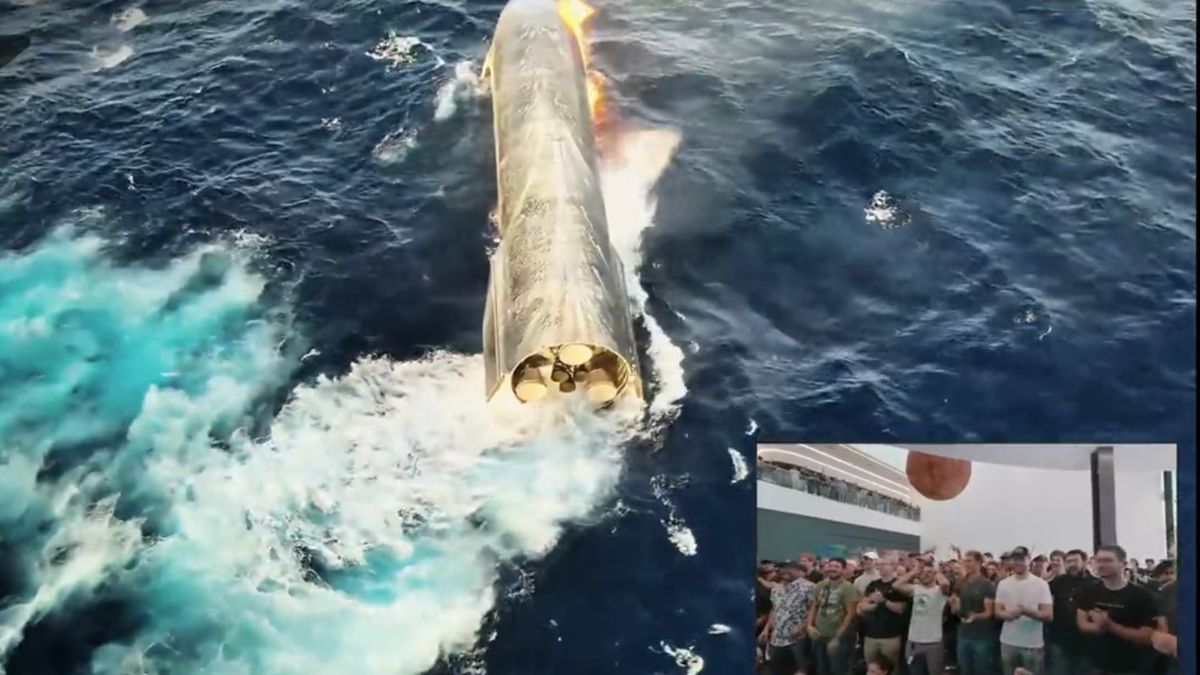
The mission lasted about an hour and ended with the rocket splashing down in the Indian Ocean.
The Super Heavy booster, which is the first part of the rocket, returned to Earth but hit the Gulf of Mexico harder than expected.
This test flight is important because it includes new Starlink satellites and is a step towards SpaceX's goals of expanding internet access, landing humans on the moon, and deploying AI-processing satellites.
Despite some challenges, the flight showed progress in SpaceX's technology.

SpaceX's Starship rocket successfully launched from Texas on Friday for its 13th test flight.
The rocket reached a speed of 16,400 miles per hour and deployed new Starlink satellites.
The Super Heavy booster impacted the Gulf of Mexico harder than expected during its return.
The mission lasted approximately one hour and concluded with a splashdown in the Indian Ocean.
This test flight is crucial for SpaceX's plans to expand Starlink, land humans on the moon, and deploy AI-processing satellites.
- Who
- SpaceX
- What
- Starship rocket test flight
- When
- Friday at 6:50 p.m. ET
- Where
- Starbase, Texas
- Why
- To demonstrate onboard capabilities and deploy new Starlink satellites
SpaceX's Progress
Challenges Ahead
Mission Success
SpaceX's Progress
The Starship rocket successfully lifted off and completed its suborbital trajectory, demonstrating key capabilities.
Challenges Ahead
The Super Heavy booster impacted the Gulf of Mexico harder than expected, indicating potential issues with landing precision.
Technological Advancements
SpaceX's Progress
The test flight included the first suborbital deployments of new Starlink satellites, showcasing SpaceX's advancements in satellite technology.
Challenges Ahead
Despite progress, the harder-than-expected impact of the booster suggests there are still challenges to overcome in ensuring safe and precise landings.
- Launch Date
- Friday
- Launch Time
- 6:50 p.m. ET
- Launch Location
- Starbase, Texas
- Mission Duration
- Approximately 1 hour
- Splashdown Location
- Indian Ocean
- Booster Impact Location
- Gulf of Mexico
- Maximum Speed
- 16,400 miles per hour (26,400 kph)
- Number of Test Flights
- 13th since 2023
Sources
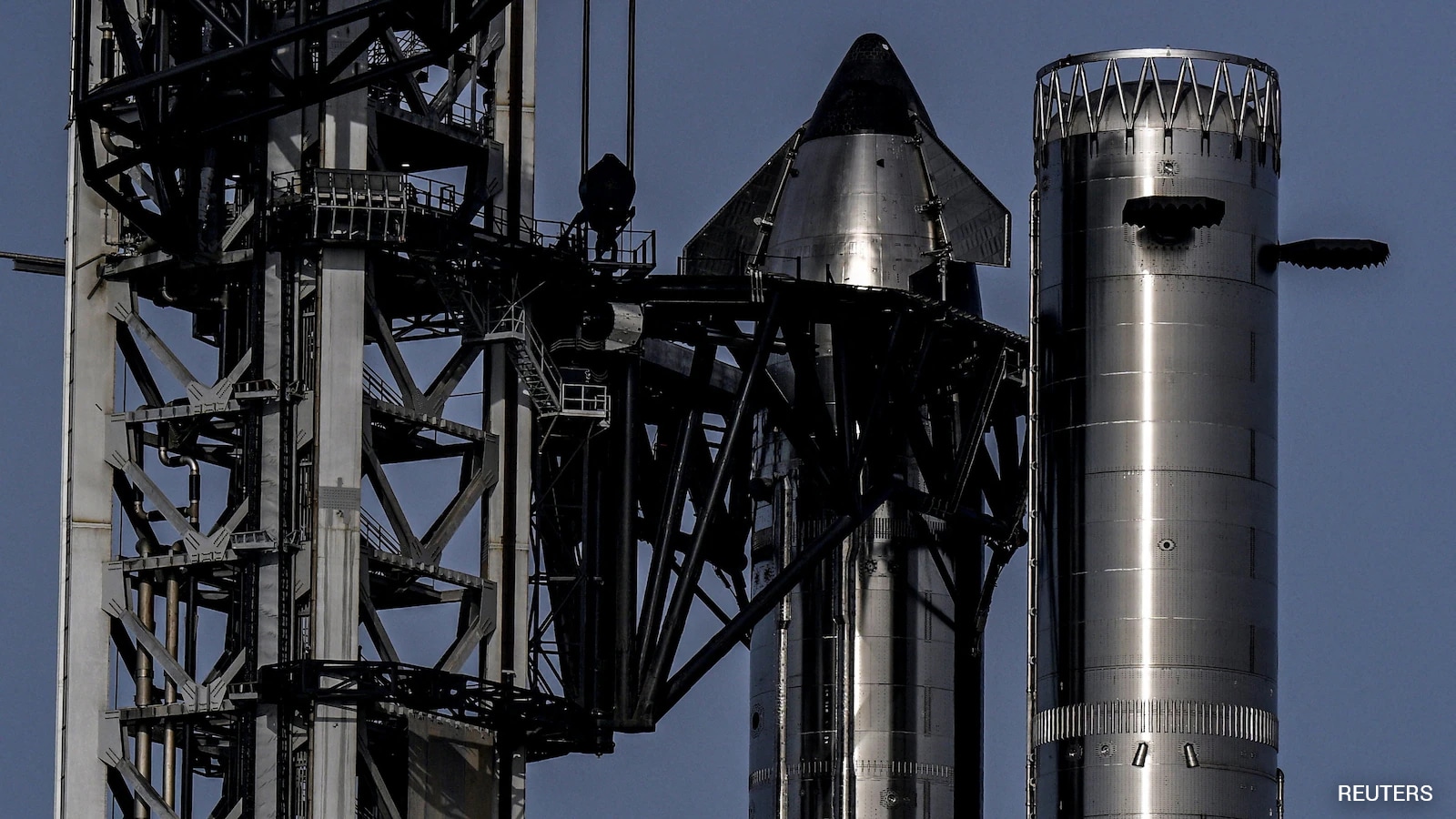
SpaceX's Starship Launched From Texas For 13th Test Flight
SpaceX's Starship rocket lifts off from Texas for test flight, deploys 20 Starlink satellites in suborbital space
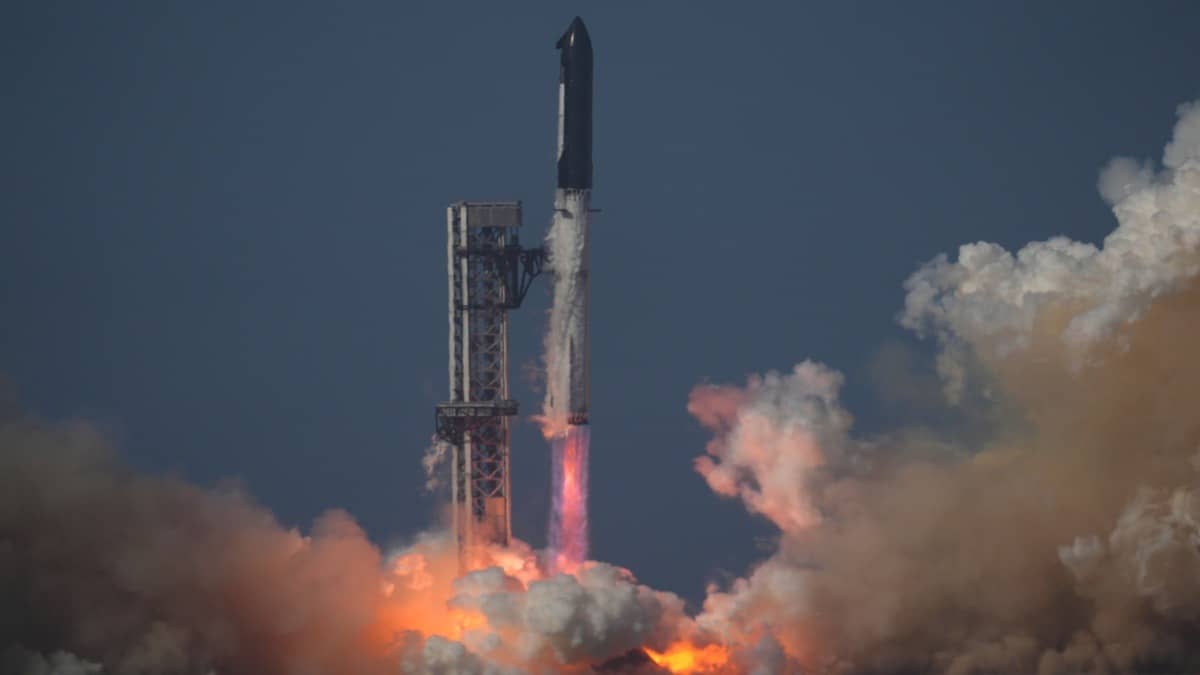
SpaceX Starship V3 Test Flight Launches 20 New Starlinks From Texas, Booster Crashes Into Gulf Of Mexico