Archive · 12 Oct 2026
Bipartisan Senators Urge Trump to Reverse Russian Diesel Deal

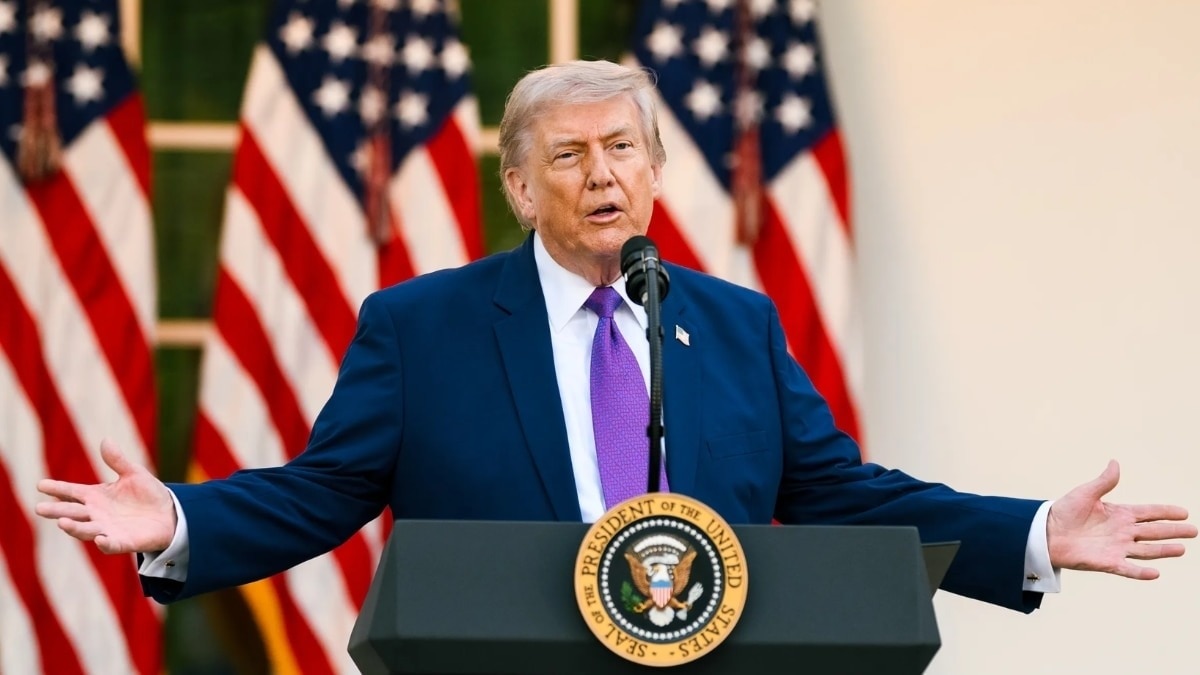
President Donald Trump said Russia would send diesel fuel to the United States and other markets.
His administration temporarily lifted sanctions on Russian fuel.
Seven senators from both major parties want him to stop the plan.
They say a law passed in 2022 bars Russian energy imports until Russia ends its aggression against Ukraine.
The senators also say the administration should have consulted Congress and explained its decision.
Treasury Secretary Scott Bessent says the administration can legally proceed and believes the deal could lower prices.
Senator Thom Tillis questioned whether it is legal, while Senator John Barrasso said Trump must make tough choices to reduce costs.
Trump also announced an energy ceasefire between Russia and Ukraine, but Ukrainian President Volodymyr Zelensky said he was waiting for details.

Seven senators—four Republicans and three Democrats—urged President Donald Trump to reverse his plan to allow Russian diesel imports.
They said the plan conflicts with a 2022 law barring Russian energy imports until Russia ends its aggression against Ukraine.
Trump said Russia would supply more than 300,000 metric tonnes of diesel to the United States and global markets; the administration temporarily lifted sanctions on Russian fuel.
The senators also said the administration failed to consult Congress or provide an explanation required by law.
Treasury Secretary Scott Bessent defended the deal as legally authorized and likely to lower prices; Senator Thom Tillis questioned its legality, while Senator John Barrasso defended Trump’s cost-reduction effort.
- Who
- Seven Republican and Democratic US senators called on President Donald Trump to reverse the Russian diesel plan.
- What
- The senators objected to Russian diesel imports and the temporary lifting of sanctions, saying the actions conflict with US law.
- When
- Trump announced the diesel plan on Friday; the senators issued their appeal on Sunday, October 11.
- Where
- The proposed diesel supply is for the United States and global markets.
- Why
- The senators say Russian energy imports are barred until Russia ends its aggression against Ukraine, and argue the administration failed to meet legal consultation and explanation requirements.
Critics of the diesel plan
Supporters of the plan
Legality and congressional process
Critics of the diesel plan
The seven senators said Russian diesel imports run counter to the 2022 law and said the administration failed to consult Congress or explain its decision; Tillis said there was a legitimate case that Trump was not following the law.
Supporters of the plan
Bessent said the administration would use the legal authorities available to it and rejected claims that the deal was prohibited.
War and fuel costs
Critics of the diesel plan
The senators said the deal could provide Russian President Vladimir Putin with a financial lifeline while Russia continues its war against Ukraine; Ukrainian President Volodymyr Zelensky also criticized the proposed arrangement as a source of resources for Moscow.
Supporters of the plan
Bessent said the pact was good for Americans and could lower prices, while Senator John Barrasso said Trump was balancing competing concerns and making tough decisions to bring costs down.
- Senators signing the statement
- Susan Collins, Lisa Murkowski, Thom Tillis, John Curtis, Jeanne Shaheen, Richard Blumenthal and Ron Wyden
- Proposed supply
- More than 300,000 metric tonnes of diesel for the United States and global markets
- Senators’ legal argument
- They say the plan conflicts with a 2022 law barring Russian energy imports until Russia ends its aggression against Ukraine.
- Congressional consultation
- The senators said the administration failed to consult Congress or submit an explanation required by law.
- Administration’s position
- Treasury Secretary Scott Bessent said the deal would proceed under existing legal authority and could bring prices down.
- Fuel prices
- Diesel prices were described as near record highs; analysts said the deal was unlikely to produce sustained lower prices.
- Energy ceasefire
- Trump said Russia and Ukraine had agreed to an immediate energy ceasefire; Zelensky said he was waiting for details.