

Archive · 17 Dec 2025
AI dims job prospects for computer science graduates
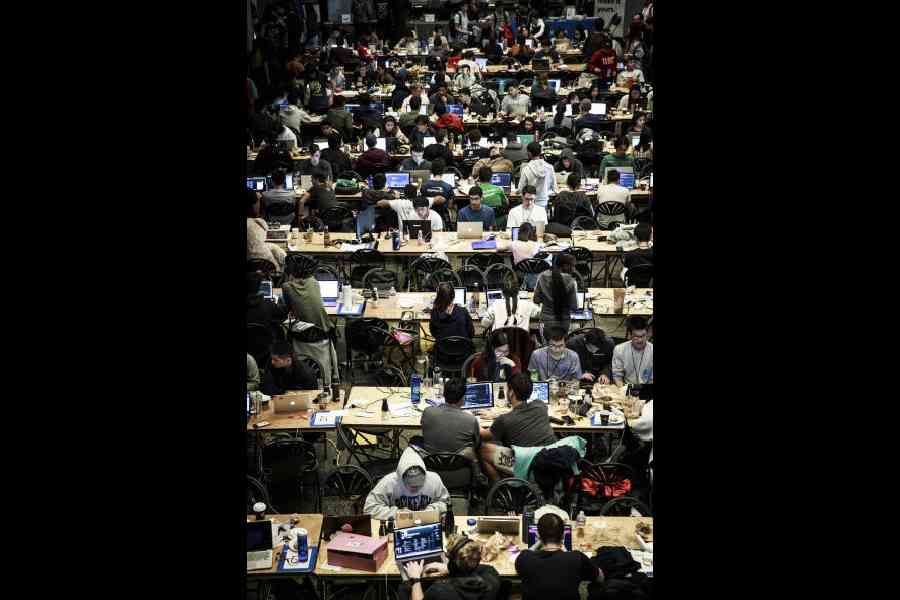
Many young people were told that learning to code would lead to great jobs and high salaries.
So, they studied computer science in school.
But now, there are fewer jobs for them because computers can write code faster than humans.
This makes it hard for new graduates to find work.
Some have applied to thousands of jobs but still can't find a job.
They feel sad and disappointed.
Some companies use computers to look at job applications and decide who to hire, which can be unfair.
But some people think if they learn to use these new computer tools, they might find new chances.

Computer science graduates face high unemployment rates due to AI programming tools.
Many graduates have applied to hundreds or thousands of jobs with little success.
Tech companies are using AI to automate coding and screen job applicants.
Graduates feel 'gaslit', 'bleak', and 'soul-crushing' about their job prospects.
Some graduates are trying to highlight human skills to stand out in the job market.
- Who
- Computer science and engineering graduates aged 22 to 27
- What
- Facing high unemployment rates due to AI programming tools
- When
- Currently, with increasing impact in recent years
- Where
- United States, particularly in tech hubs like Silicon Valley and San Francisco
- Why
- AI coding assistants are reducing the need for junior software engineers, automating entry-level positions
- Manasi Mishra
- 21-year-old computer science graduate from Purdue University
- Zach Taylor
- 25-year-old computer science graduate from Oregon State University
- Audrey Roller
- 22-year-old data science graduate from Clark University
- Jamie Spoeri
- 22-year-old computing graduate from Georgetown University
- Brad Smith
- Top Microsoft executive
- Matthew Martin
- Senior economist at Oxford Economics
- Tracy Camp
- Executive director of the Computing Research Association
