

Archive · 31 Jan 2026
Supreme Court to Examine Tax Treatment of Delayed PF, ESI Deposits
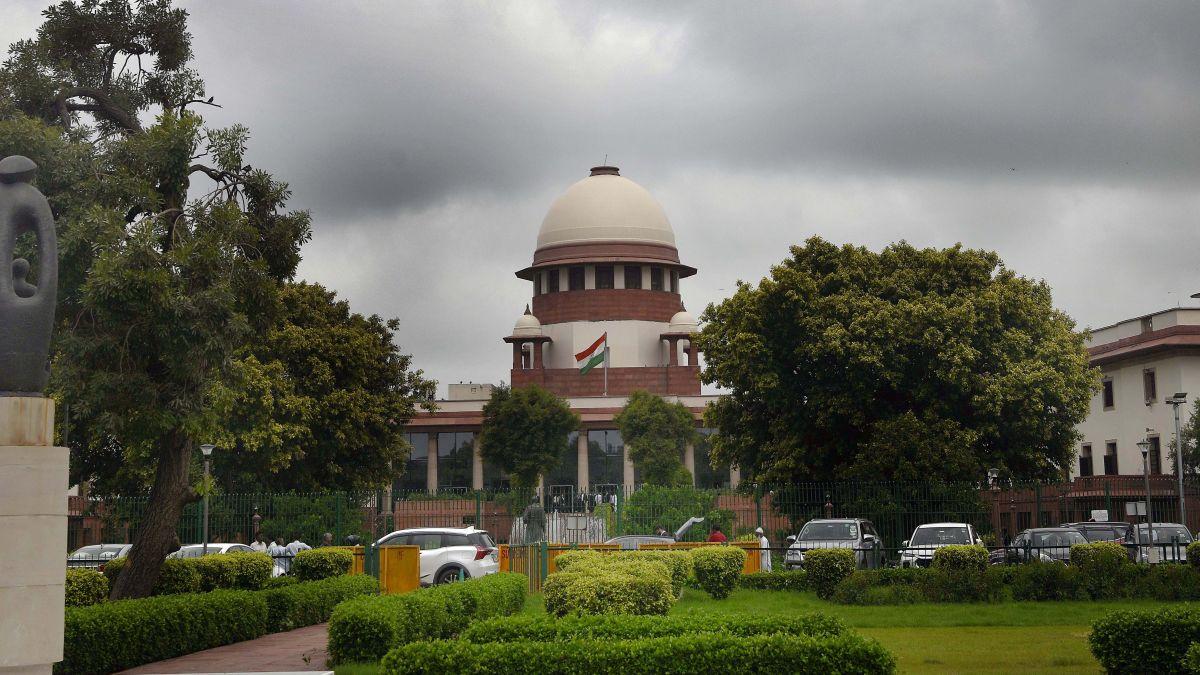
The Supreme Court is going to look at a big question about taxes and money that companies set aside for their employees.
Normally, companies have to pay money into something called Provident Fund (PF) and Employees' State Insurance (ESI) for their workers.
If they pay this money late, they usually can't get a tax break for it.
But some courts have said that if the company pays this money before they file their taxes, they can still get the tax break.
The Delhi High Court said no, the money has to be paid on time to get the tax break.
Now, the Supreme Court is going to decide who is right.
This is important because it affects how all companies in India handle their taxes.

The Supreme Court will examine the tax treatment of delayed PF and ESI deposits.
The Delhi High Court ruled that deposits made after the statutory due date are not eligible for tax deductions.
The case involves the interpretation of Sections 2(24)(x), 36(1)(va), and 43B of the Income Tax Act, 1961.
The Supreme Court issued a notice to the tax department, with a response due in four weeks.
The ruling has significant implications for employers across various sectors in India.
- Who
- Supreme Court of India, Delhi High Court, Woodland (Aero Club) Private Limited, Tax Department
- What
- Examination of tax treatment for delayed PF and ESI deposits
- When
- Issue raised in 2025, Supreme Court notice issued recently
- Where
- India, with specific rulings from Delhi High Court and Supreme Court
- Why
- To resolve conflicting interpretations of tax laws regarding PF and ESI deposits
- Petitioner
- Woodland (Aero Club) Private Limited
- Issue
- Tax treatment of delayed PF and ESI deposits
- Relevant Sections
- 2(24)(x), 36(1)(va), 43B of the Income Tax Act, 1961
- Delhi High Court Ruling
- Deposits after statutory due date not eligible for deduction
- Supreme Court Action
- Issued notice to the tax department, returnable in four weeks