Archive · 5 Nov 2025
Non-Starchy Vegetables Key to Managing Blood Sugar Spikes, Says Dietitian
Imagine your body's sugar level like a roller coaster.
Some foods make it go up and down really fast, which isn't good.
Non-starchy vegetables are like smooth roads for your sugar levels.
They have lots of fiber and not much sugar or starch, so they help keep the sugar from going up too high after you eat.
Dr. Batra shared a story about a woman who usually ate just roti and dal, and her sugar levels were jumping around.
She didn't like many vegetables.
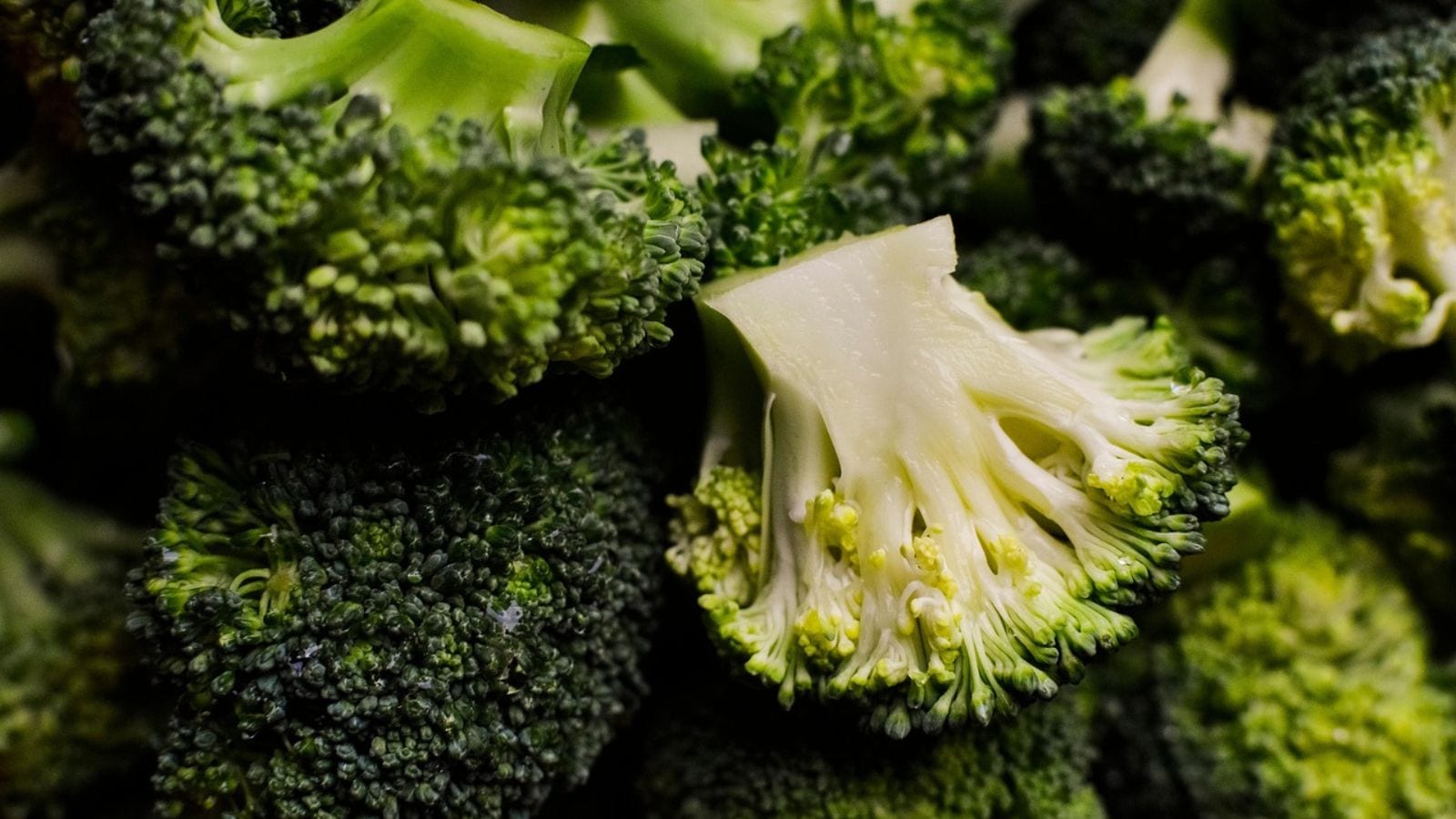
So, they found fun ways to add them, like stuffing broccoli into her chapati or making grilled veggies.
Because of these changes, her sugar levels became much steadier, and she felt more energetic.
Eating things like spinach, cauliflower, and beans is good because they help your tummy work well and make you feel full longer.
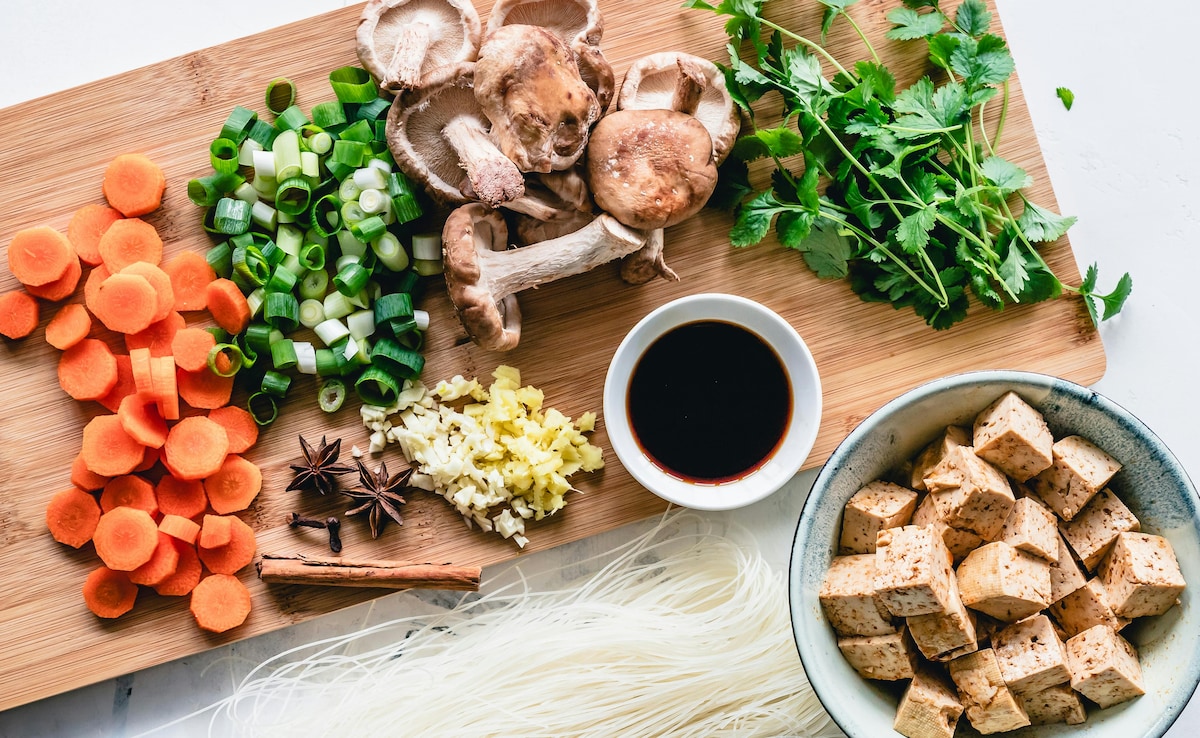
Even vegetables like carrots and potatoes, which have more sugar, can be eaten, but just a little bit.
The key is to have these helpful vegetables with your meals to keep your body happy and healthy.

Non-starchy vegetables, rich in fiber and low in carbohydrates, are crucial for managing blood sugar spikes.
A case study involved a woman whose diet of roti and dal led to blood sugar issues, but improved with the inclusion of non-starchy vegetables.
Examples of non-starchy vegetables include cauliflower, spinach, beans, and gourds, while carrots and potatoes are higher in starch.
Incorporating these vegetables in various forms, such as stuffed chapatis or grilled preparations, can make them palatable and effective.
Adequate fiber intake from non-starchy vegetables aids digestion, promotes satiety, and contributes to overall metabolic health.
- Who
- Dr. Archana Batra, a clinical dietitian and diabetes educator.
- What
- Emphasizing the role of non-starchy vegetables in managing blood sugar spikes and improving overall health, illustrated by a case study of a patient who benefited from incorporating these vegetables into her diet.
- When
- Recently, highlighted in a discussion by Dr. Batra.
- Where
- Information shared by Dr. Batra, with examples relevant to Indian dietary patterns.
- Why
- To educate individuals on effectively managing blood sugar levels and improving metabolic health through dietary choices, specifically by including non-starchy vegetables.
Dr. Batra's Approach
Traditional Meal Components
Inclusion of Vegetables
Dr. Batra's Approach
Prioritizes incorporating non-starchy vegetables in various palatable forms, including stuffed chapatis and continental preparations, to manage blood sugar.
Traditional Meal Components
Relies on a diet primarily of roti and dal with infrequent inclusion of vegetables and enjoyment of traditional Indian sabzis.
- Key Recommendation
- Include non-starchy vegetables in every meal for better blood sugar control and overall health.
- Non-Starchy Vegetable Examples
- Lauki (bottle gourd), tinda (Indian baby pumpkin), cauliflower, beans, spinach, cabbage, bitter gourd, ridge gourd, capsicum, baby corn.
- Starchy/High Sugar Vegetable Examples (to eat in moderation)
- Carrots, beetroots, potatoes, sweet potatoes.
- Benefits of Non-Starchy Vegetables
- Slow glucose absorption, add bulk, prevent sugar spikes, provide fiber, vitamins, minerals, antioxidants, support gut health, aid weight management, reduce bad cholesterol.
- Recommended Daily Intake
- Approximately five servings of non-starchy vegetables.
- Patient Profile
- Fasting blood sugar around 110 mg/dL, frequent post-meal spikes, primarily ate roti and dal, rarely included vegetables.