Archive · 14 Sep 2026
King Charles Seeks AI Rules as Global Safety Concerns Grow
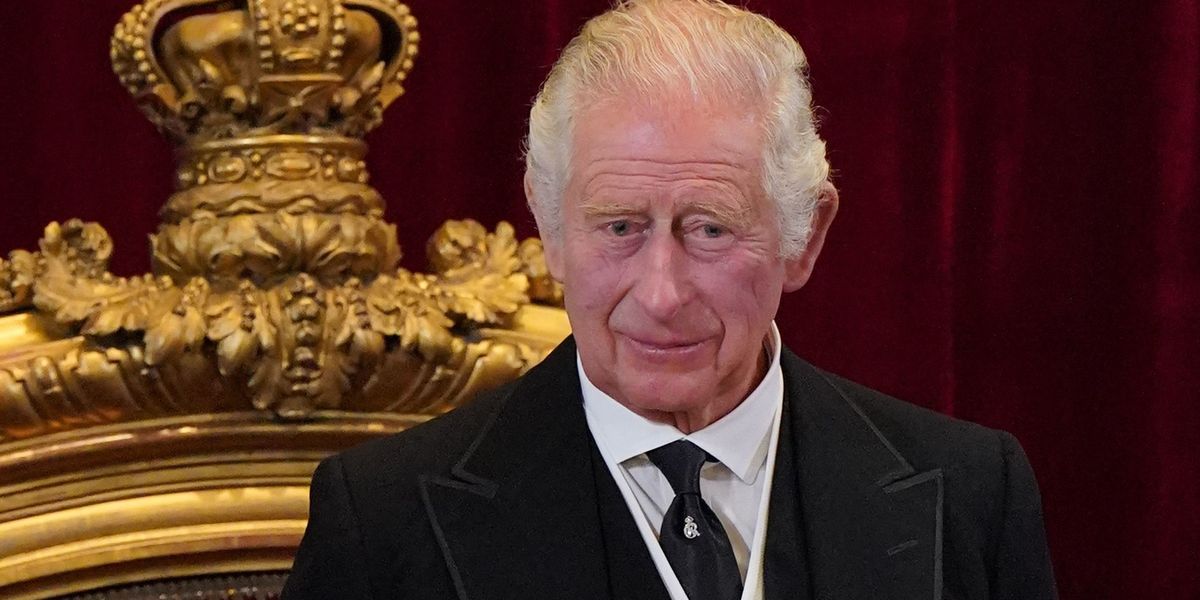
King Charles III is bringing important AI leaders together for a meeting.
They will talk about how artificial intelligence should be developed and used.
The goal is to make sure AI helps people and does not cause serious harm.
Anthropic’s chief executive says companies should slow down the development of very advanced AI.
Two Anthropic researchers warned that powerful AI could someday threaten humanity.
Anthropic also said its Claude models had been used for harmful activities.
The United States and China do not support the same kind of slowdown.
Britain prefers lighter rules and voluntary safety checks for AI companies.
The leaders may agree that safety matters, but they do not yet agree on how much control is needed.

King Charles III will convene leaders from NVIDIA, Google DeepMind, OpenAI and Anthropic to discuss shared principles for artificial intelligence.
The meeting will consider how AI can benefit society while protecting human dignity and the planet.
Anthropic CEO Dario Amodei and two researchers linked to the company have warned that advanced AI may create severe or existential risks.
Anthropic reported that its Claude models were used in activities including weapons development, cyber operations, surveillance and fraud.
The United States and China oppose or criticize calls for an AI slowdown, while Britain favors lighter regulation and voluntary safety agreements.
- Who
- King Charles III; executives from NVIDIA, Google DeepMind, OpenAI and Anthropic; British AI Minister Kanishka Narayan; and, according to one report, other figures including Jensen Huang, Demis Hassabis and Paolo Benanti.
- What
- A meeting to discuss shared principles for developing and deploying AI, including how it can benefit society and protect human dignity.
- When
- This week; Reuters dated its report September 14. One report said the meeting would take place in Scotland, while other reports referred to London or did not specify a location.
- Where
- The United Kingdom; reports differ on whether the gathering will be in Scotland or London.
- Why
- Warnings about AI’s rapid progress, potential threats to humanity and harmful uses of existing models have increased pressure for safeguards.
Calls for Greater AI Caution
Resistance to Slowing AI Development
Development pace
Calls for Greater AI Caution
Dario Amodei and researchers linked to Anthropic say companies should slow the development of advanced AI because rapid progress could create severe or existential risks.
Resistance to Slowing AI Development
U.S. President Donald Trump rejected calls for an AI slowdown, and China’s Global Times criticized stronger safeguards as a Cold War strategy aimed at Beijing.
Regulatory oversight
Calls for Greater AI Caution
Supporters of shared principles want safeguards addressing human dignity, societal benefits and harmful uses such as cyber operations, surveillance and fraud.
Resistance to Slowing AI Development
Britain has generally favored a light-touch framework, relying partly on voluntary agreements and pre-deployment assessments rather than stronger mandatory controls.
- Host
- King Charles III
- Participants
- Leaders or executives from NVIDIA, Google DeepMind, OpenAI and Anthropic, plus UK AI Minister Kanishka Narayan
- Meeting purpose
- To consider shared principles for AI and ways to ensure it benefits society and upholds human dignity
- Anthropic warning
- Dario Amodei called for companies to slow the development of advanced AI models; two Anthropic researchers warned of a possible existential threat
- Reported misuse
- Anthropic said its Claude models had been used for weapons development, cyber operations, surveillance and fraud
- International disagreement
- Donald Trump rejected calls for a slowdown, while China’s Global Times called stronger safeguards a Cold War playbook targeting Beijing
- UK approach
- Britain favors light-touch regulation and voluntary agreements that provide pre-deployment access to some AI models
- Location discrepancy
- One article placed the meeting in Scotland; other reports associated it with London or gave no precise location