

Archive · 5 Oct 2026
Ramachandra Guha Says Young People Need Their Own Gandhi
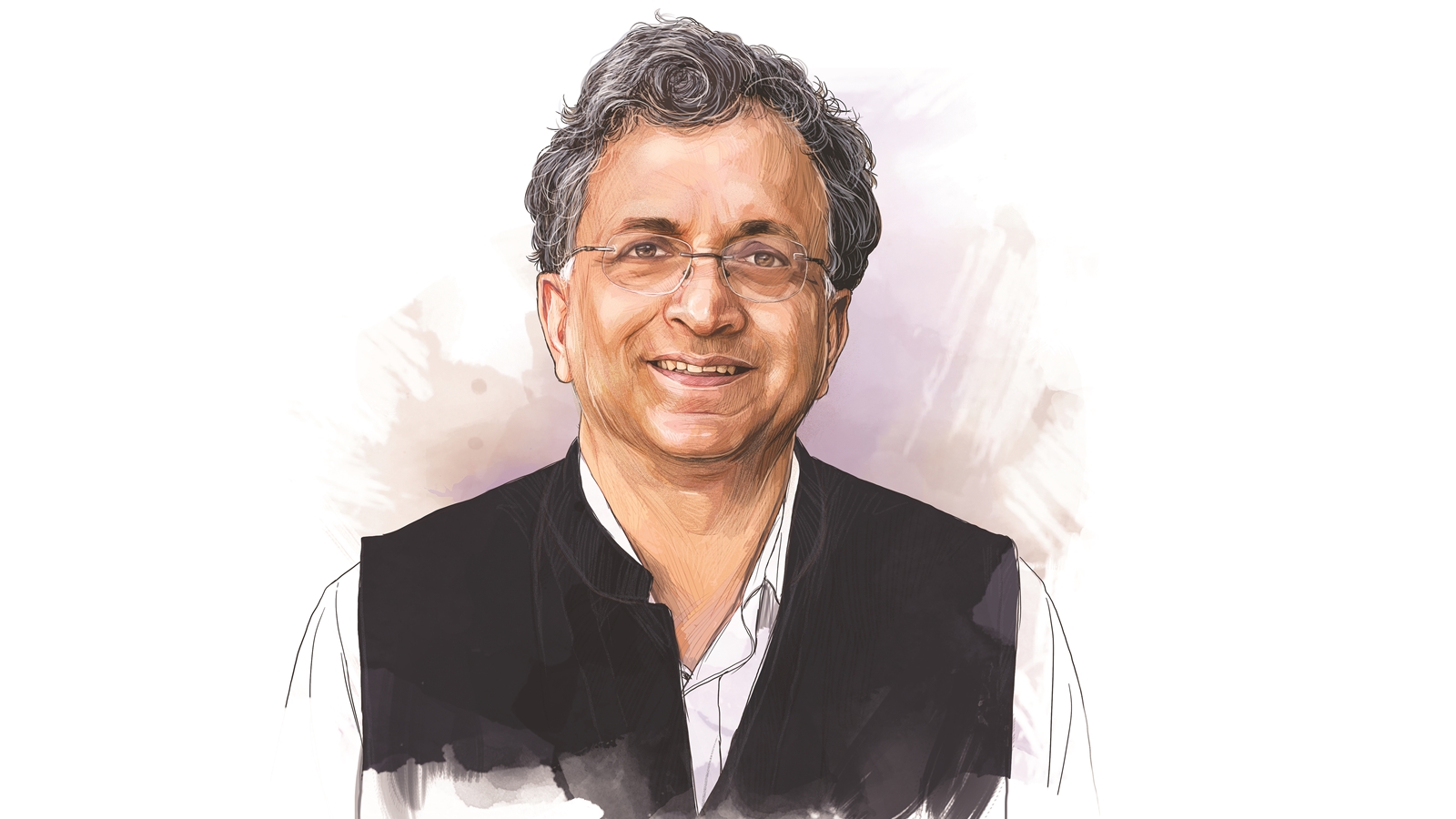
Historian Ramachandra Guha spoke about his book on arguments with Mahatma Gandhi.
He explained that people disagree with Gandhi for different reasons, including his ideas about religion, non-violence and the economy.
Guha said Gandhi and B. R. Ambedkar had different life experiences and often disagreed.
He thinks their ideas can still be considered together as people work against caste inequality.
Guha also said Gandhi’s thinking can encourage care for nature and less damaging development.
He described Gandhi as someone whose views changed over time.
Guha said students should learn from many leaders, not just one.
He hopes young people will find their own understanding of Gandhi.

Historian Ramachandra Guha discussed his book Arguments With Gandhi and the continuing debates over Gandhi’s ideas.
Guha said critics approach Gandhi from Hindutva, communist, Ambedkarite and economic-modernisation perspectives.
He argued that Gandhi and Ambedkar disagreed in life but should be brought together to address continuing caste inequality.
Guha described Gandhi’s economic ideas as a moderating influence, especially on environmental harm and development.
He said India needs a synthesis of ideas from several leaders, not a modern-day version of any one figure.
- Who
- Historian Ramachandra Guha, in a discussion moderated by Vikas Pathak.
- What
- A discussion of Guha’s book Arguments With Gandhi and debates about Gandhi’s ideas and legacy.
- When
- Not specified in the article.
- Where
- The Idea Exchange session; the article does not specify its location.
- Why
- To discuss Gandhi’s arguments, his critics, his relationship with Ambedkar, and the relevance of his ideas today.
Critiques of Gandhi
Guha’s assessment
Non-violence and politics
Critiques of Gandhi
Some critics, including sections of the Hindu Right, regard Gandhi’s non-violence as insufficiently combative; revolutionaries also differed from him over violence.
Guha’s assessment
Guha said non-violence was the right approach in India’s context, while noting that Gandhi’s ideas continue to provoke disagreement.
Caste and representation
Critiques of Gandhi
Critics of joint electorates argue that Dalit representatives may answer to the upper-caste majority that helped elect them; some post-Ambedkarite critics have called such representatives 'chamchas.'
Guha’s assessment
Guha said joint electorates give Dalit voters influence across many constituencies and that he is not convinced separate electorates are the answer; he called for more independent Dalit candidates and greater authority for Dalit leaders.
Economic development
Critiques of Gandhi
Economic modernisers criticize Gandhi as backward and opposed to development, while Guha also said Gandhi was not wholly right about economic policy.
Guha’s assessment
Guha described Gandhi as a moderating influence whose concerns about environmental and social damage remain useful, while allowing that some centralisation and skyscrapers may be needed.
- Book discussed
- Arguments With Gandhi
- Speaker
- Historian Ramachandra Guha
- Moderator
- Vikas Pathak, Deputy Associate Editor, The Indian Express
- Ideas examined in the book
- Non-violence, justice, religion, and economy and progress
- Gandhi and Ambedkar
- Guha said their differing social locations shaped their disagreements, and that their ideas should be brought together today.
- Environmental concerns
- Guha criticized large dams, mines and the Char Dham highway in Uttarakhand, and discussed Gandhi’s ideas about forests, water and soil.
- Guha’s conclusion
- India needs a synthesis of ideas from admired figures, rather than a modern-day version of any one leader.