

Archive · 2 Aug 2026
Can Gymgoers Intermittently Fast? Expert Explains Benefits and Risks
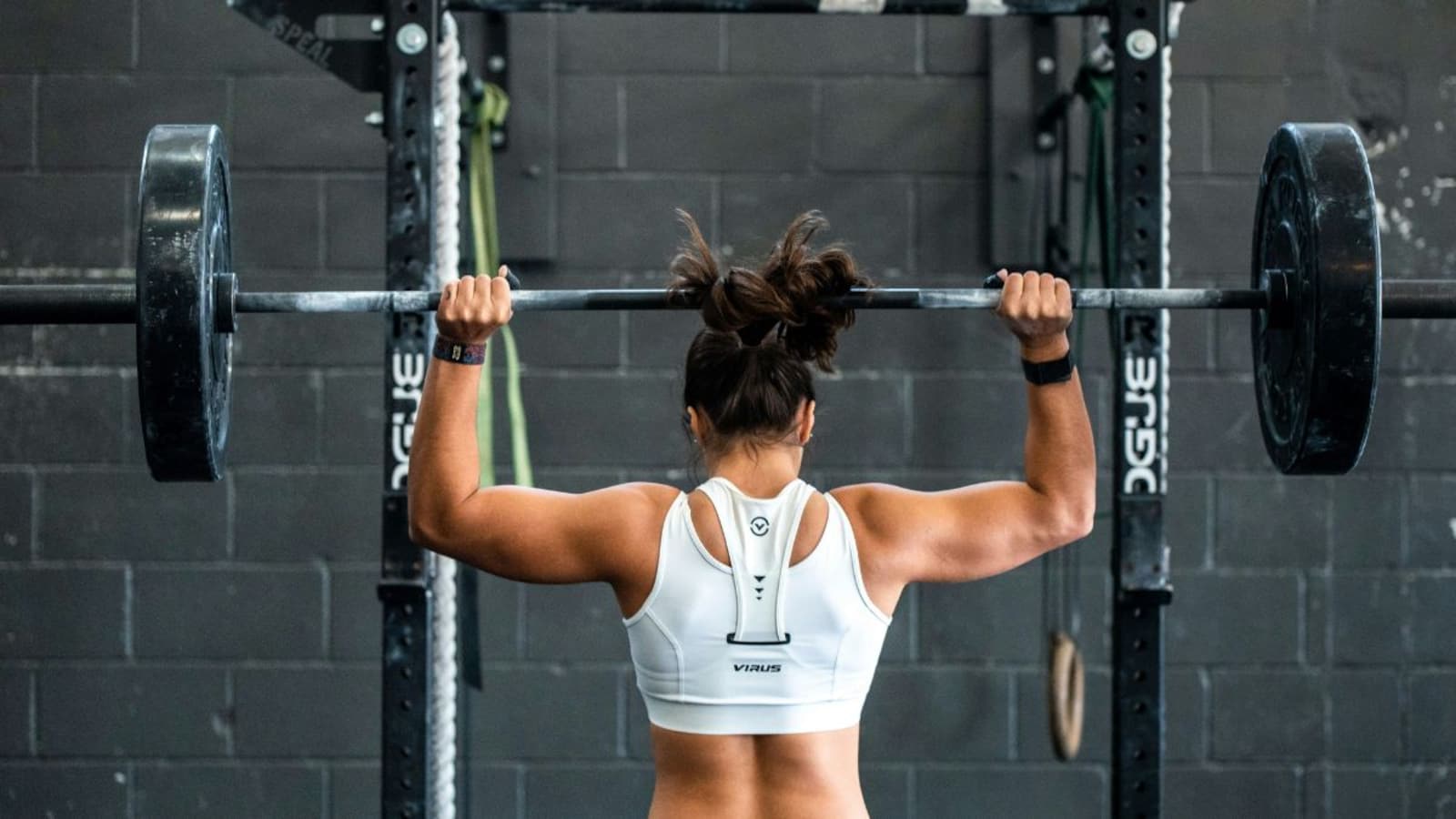
Intermittent fasting means you eat only during certain hours of the day.
Some people who go to the gym use this to help lose fat while keeping muscle.
It can also make it easier to plan meals.
But if you don’t eat enough calories or protein, you might feel weak or not recover well.
It’s best to eat protein, stay hydrated, and do workouts close to when you can eat again.
Pregnant women, kids, people with eating problems, or certain illnesses should be careful or avoid it.
Always talk to a doctor or dietitian before changing your diet.

Intermittent fasting can aid fat loss while preserving muscle when paired with resistance training and adequate protein.
It may improve insulin sensitivity and simplify meal planning for gym enthusiasts.
Risks include reduced workout performance, slower muscle growth, and delayed recovery if nutrition is insufficient.
Timing workouts near the start or end of the eating window helps maintain energy and post‑exercise nutrition.
Pregnant women, children, those with eating disorders, certain medical conditions, or diabetes should avoid or carefully monitor fasting.
- Who
- Gymgoers and fitness enthusiasts
- What
- Combining intermittent fasting with regular workouts
- When
- Not specified; applicable to any training schedule
- Where
- Not specified; generally applicable worldwide
- Why
- To lose fat, improve metabolic health, and simplify meal planning
- Intermittent Fasting
- Eating pattern cycling between fasting and regular food intake
- Potential Benefits
- Fat loss, insulin sensitivity, simplified meal planning
- Risks
- Reduced performance, slower muscle growth, delayed recovery
- Who Should Avoid
- Pregnant or breastfeeding women, children, eating disorders, medical conditions, diabetes
- Recommended Approach
- Prioritize protein, adequate calories, hydrate, time workouts near eating window