Archive · 17 Sep 2026
US House Passes Russia Sanctions Bill With India Tariff Risk
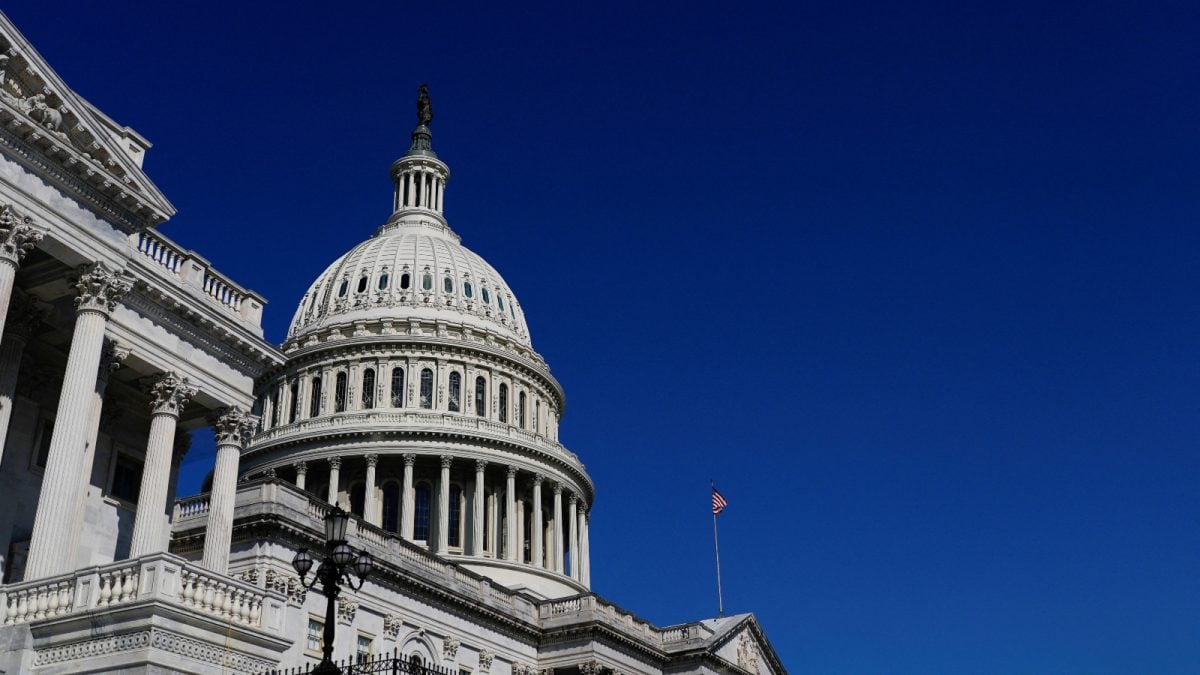
The US Congress passed a bill meant to put more pressure on Russia and Iran.
It was approved by the Senate in August and by the House in September.
The bill targets Russian leaders, energy companies, financial institutions and ships accused of helping Russia avoid sanctions.
It also lets President Donald Trump consider tariffs as high as 100% on goods from countries that buy Russian oil or gas.
India and China could be affected because they are described in the reports as major buyers of Russian energy.
A House amendment listed India and nine other countries as eligible for the possible tariffs.
Being listed does not automatically create a 100% tariff.
Trump would have to decide whether to use the authority after the law takes effect.
Supporters say the measure could reduce money supporting Russia’s war in Ukraine, while opponents say it gives the president too much power and could make goods more expensive.

The House passed the Lindsey O. Graham Sanctioning Russia and Iran Act of 2026 by 262-159 on September 16, sending it to President Donald Trump.
The legislation authorizes the president to impose tariffs of up to 100% on goods from major buyers of Russian oil and gas, including potentially India and China.
A House amendment proposed naming India, China, Türkiye, Azerbaijan, Hungary, Slovakia, the UAE, Singapore, Kazakhstan and Kyrgyzstan as eligible countries.
The bill targets Russia’s leadership, energy sector, financial institutions and sanctions-evading “shadow fleet,” while extending Iran-related sanctions through 2031.
Opponents warn the measure gives Trump overly broad tariff powers and could raise US consumer prices; tariffs would not be automatic and depend on presidential action.
- Who
- The US House and Senate, President Donald Trump, Russia, Iran and countries including India and China are involved.
- What
- Congress passed legislation targeting Russia and Iran that gives the president authority to impose tariffs of up to 100% on certain buyers of Russian oil and gas.
- When
- The House passed the bill 262-159 on September 16, 2026, after a 214-211 procedural vote on September 15; the Senate passed its version on August 7.
- Where
- The votes took place in the US Congress in Washington, United States.
- Why
- US officials say revenue from Russia’s energy exports helps fund Moscow’s war against Ukraine, while the bill seeks to maintain pressure on Iran.
Critics of expanded tariff authority
Supporters of Russia pressure
Presidential power
Critics of expanded tariff authority
Democratic opponents, including Representative Gregory Meeks, argue that the bill gives Trump excessively broad tariff authority without adequate safeguards.
Supporters of Russia pressure
Supporters view the authority as leverage against countries that continue buying Russian energy and as a way to pressure Moscow.
Economic impact
Critics of expanded tariff authority
Critics warn that secondary tariffs could raise prices for US consumers and intensify trade tensions, particularly with India and other major energy buyers.
Supporters of Russia pressure
Supporters say economic pressure on Russian energy purchasers could reduce revenues that the US says help fund Russia’s war in Ukraine.
Support for Ukraine
Critics of expanded tariff authority
Some Democrats argue that the bill does not mandate sanctions against Russia or provide the immediate military support Ukraine needs, and could undermine long-term backing for Kyiv.
Supporters of Russia pressure
Proponents and pro-Ukraine groups support stronger measures against Russia’s energy revenues and sanctions-evasion networks.
- Bill
- Lindsey O. Graham Sanctioning Russia and Iran Act of 2026
- Final House vote
- Passed 262-159 on September 16, 2026
- Senate vote
- Passed 86-11 on August 7, 2026
- Potential tariff
- Up to 100% on goods from eligible countries buying Russian oil and gas
- Countries named in proposed House amendment
- India, China, Türkiye, Azerbaijan, Hungary, Slovakia, the UAE, Singapore, Kazakhstan and Kyrgyzstan
- Other targets
- Russian leadership, energy and financial sectors, and the sanctions-evading “shadow fleet”
- Iran provision
- Extends the Iran Sanctions Act of 1996 through 2031
- Presidential discretion
- The legislation authorizes possible tariffs but does not automatically impose a 100% tariff on India
Sources
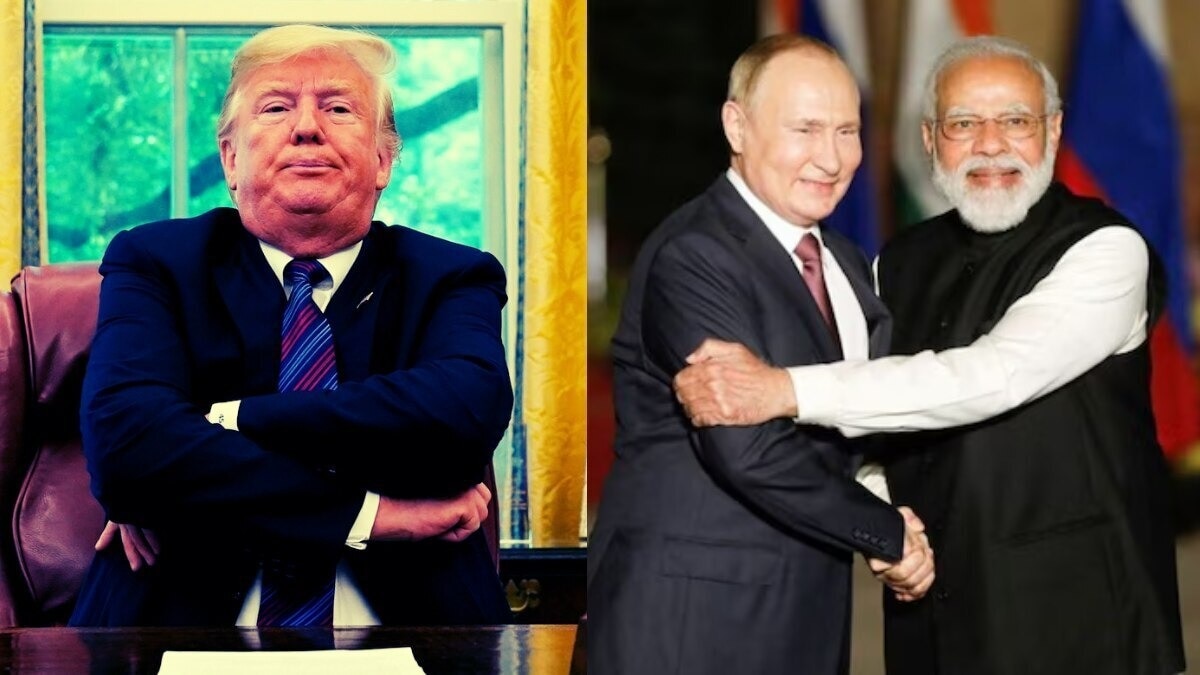
India to face 100% tariffs? US House moves Russia Sanctions bill, final vote tomorrow

US bill imposing 100% tariffs on India set for House vote
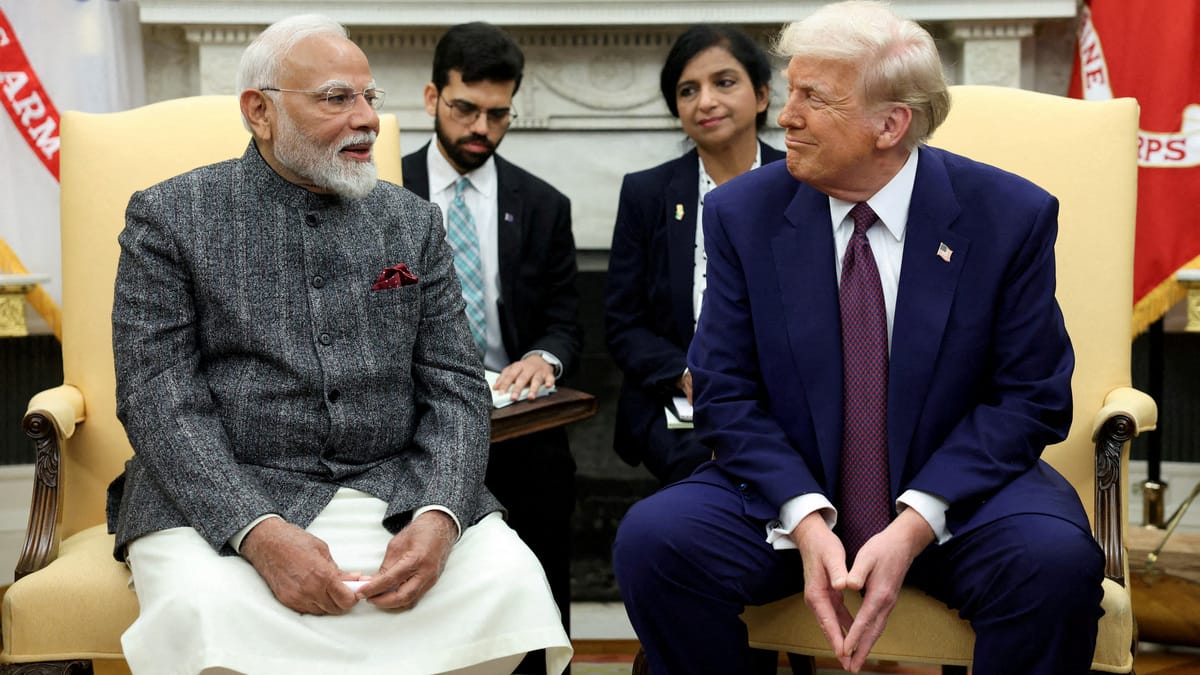
US House advances Russia sanctions bill that could hit India with 100% tariffs
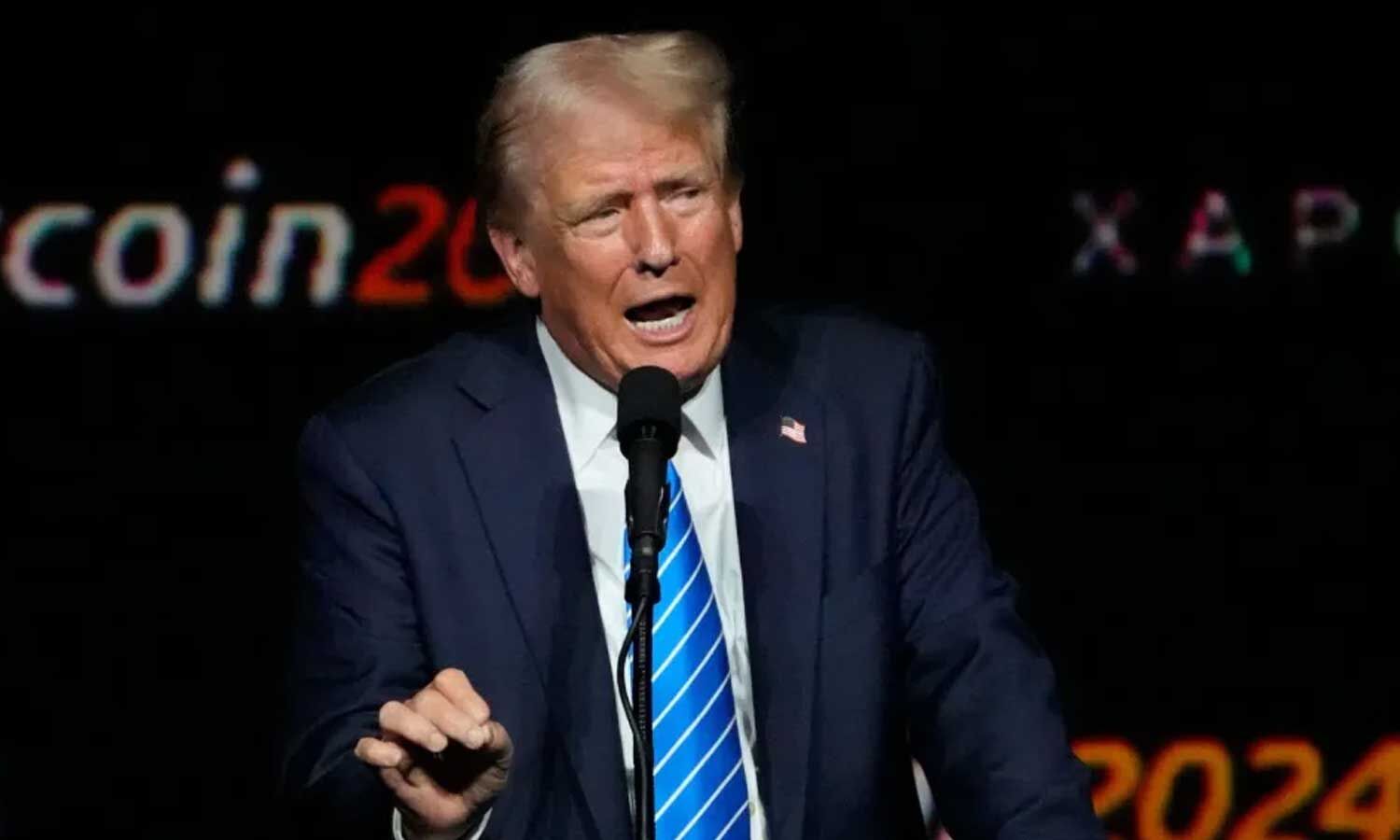
US House Advances Russia Sanctions Bill With Provision For 100% Tariffs On India
US House Passes Russia Sanctions Bill, Clears Path For 100% Tariffs On India, China, Others
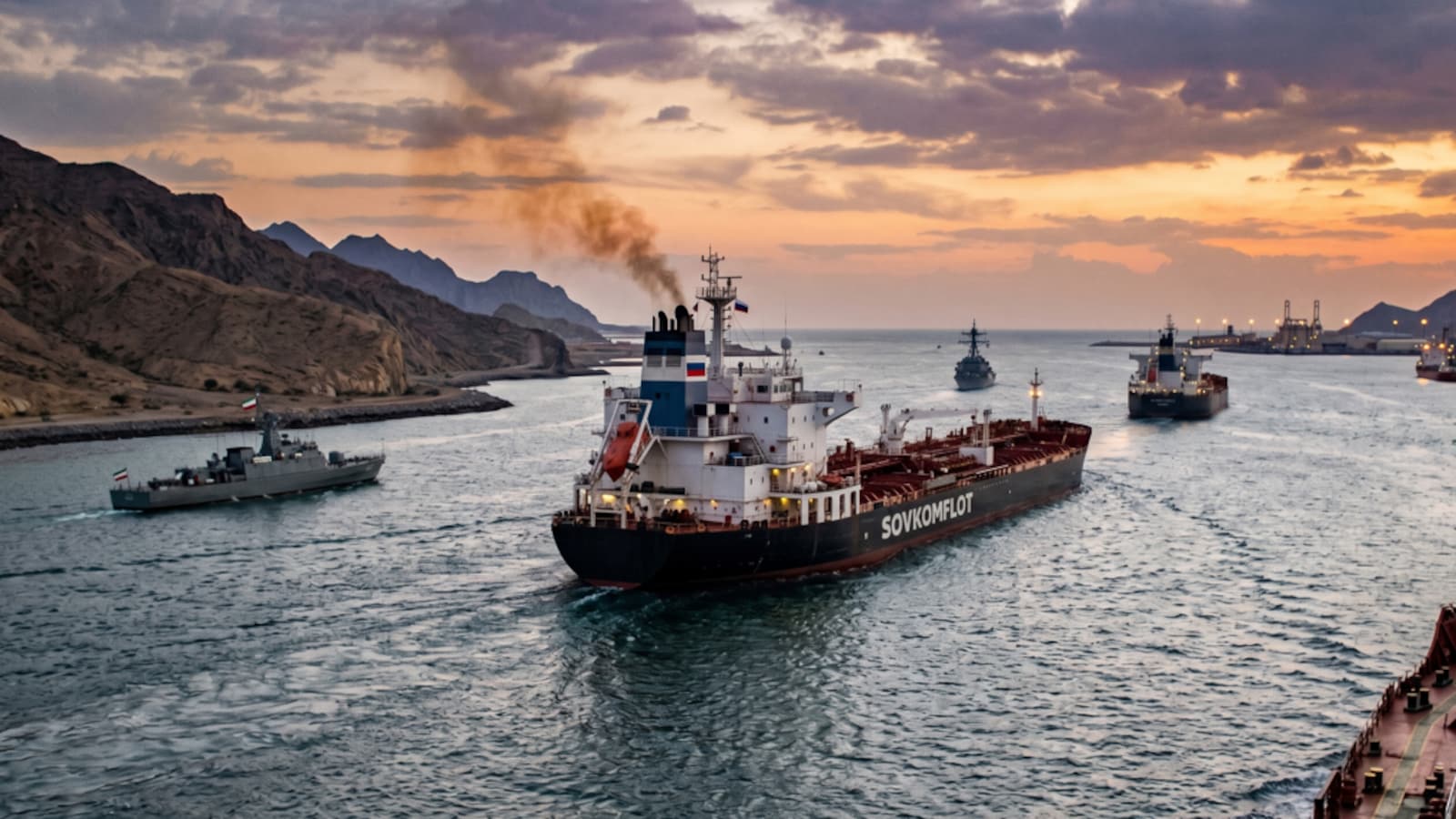
India Faces 100% Tariff Risk As Russia Sanctions Bill Advances In US

100% tariff threat to India: US House advances Russia sanctions bill

US bill imposing 100% tariffs on India set for House vote
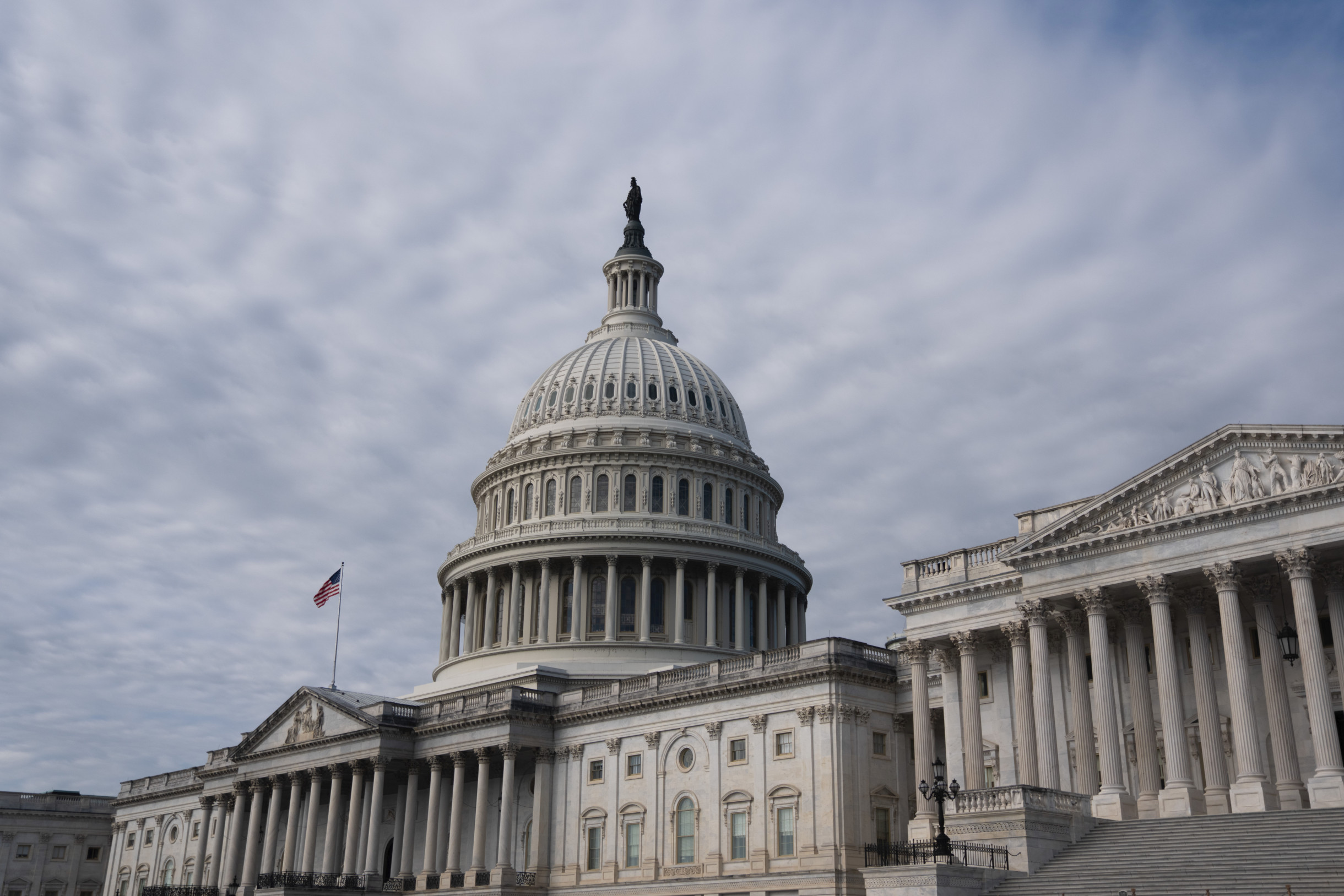
US House Advances Bill for 100% Tariffs on India Over Russian Oil
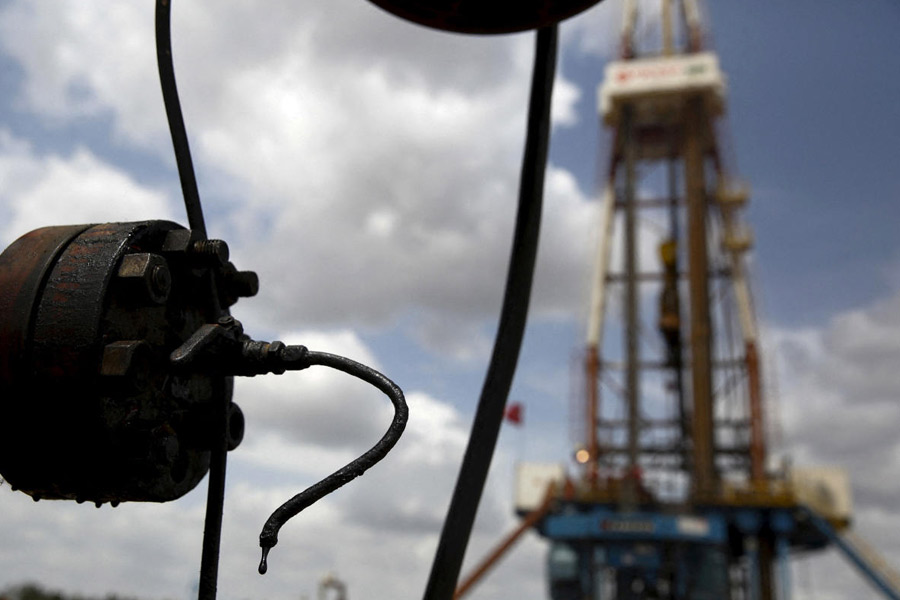
US House advances 100% tariff bill targeting India, other Russian oil buyers