

Archive · 20 May 2025
Genome-Edited Rice Varieties Promise Water Savings and Higher Yields
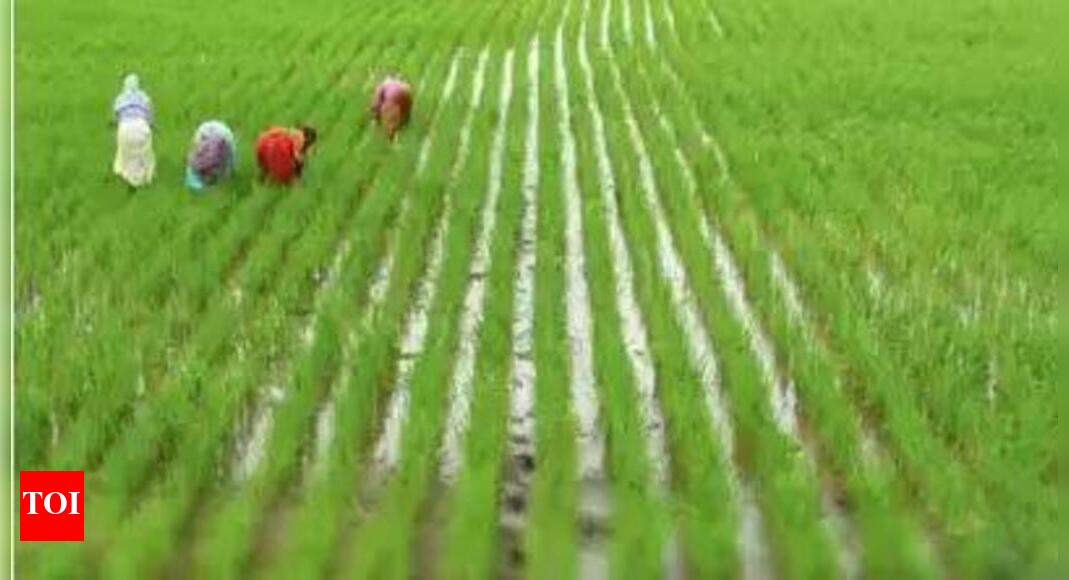
Scientists have created new rice that uses less water.
They did this by changing the rice's genes, like giving it superpowers.
This new rice can grow more food and help save water, which is important for India's farmers.
It can also help reduce pollution from rice farming.
However, some people are worried about whether these changes are safe for people and the environment.
The scientists say it is safe because it's similar to other rice developed using traditional approaches, and the government has given it the go-ahead to grow.

Two new genome-edited rice varieties promise sustainable agriculture improvements.
These varieties could increase paddy production and save billions of cubic meters of water.
The technology involves making targeted changes to rice genes without introducing foreign DNA.
Scientists anticipate yield increases, climate adaptability, and reduced methane emissions.
Concerns exist regarding regulation and potential environmental or health impacts.
- Who
- Scientists at ICAR developed the genome-edited rice varieties.
- What
- Genome-edited rice varieties are being developed to reduce water consumption, increase yield, and lower methane emissions.
- When
- The genome-editing research project started in 2018, with seeds expected to reach farmers within two years.
- Where
- India
- Why
- To improve rice cultivation and address water stress, enhance yield and climate adaptability.
Coalition for a GM-Free India
Scientists/ICAR
Safety and Regulation
Coalition for a GM-Free India
The two varieties may have potential to harm humans and cause damage to the environment.
Scientists/ICAR
The genome-edited variety is equivalent to a mutant variety developed by a conventional approach and it has no health or environmental concerns.
- Genome-Edited Rice Varieties
- DRR Dhan 100 (Kamala) and Pusa DST Rice 1
- Additional Paddy Production (Potential)
- 4.5 million tonnes
- Water Savings (Potential)
- 7,500 million cubic meters
- Yield Advantage
- 20%-30%
- Methane Emission Reduction (Potential)
- 20%
- Expected Time to Farmers
- Within two years