

Archive · 25 Sep 2026
US and Iran Explore Phased Deal to Reopen Strait
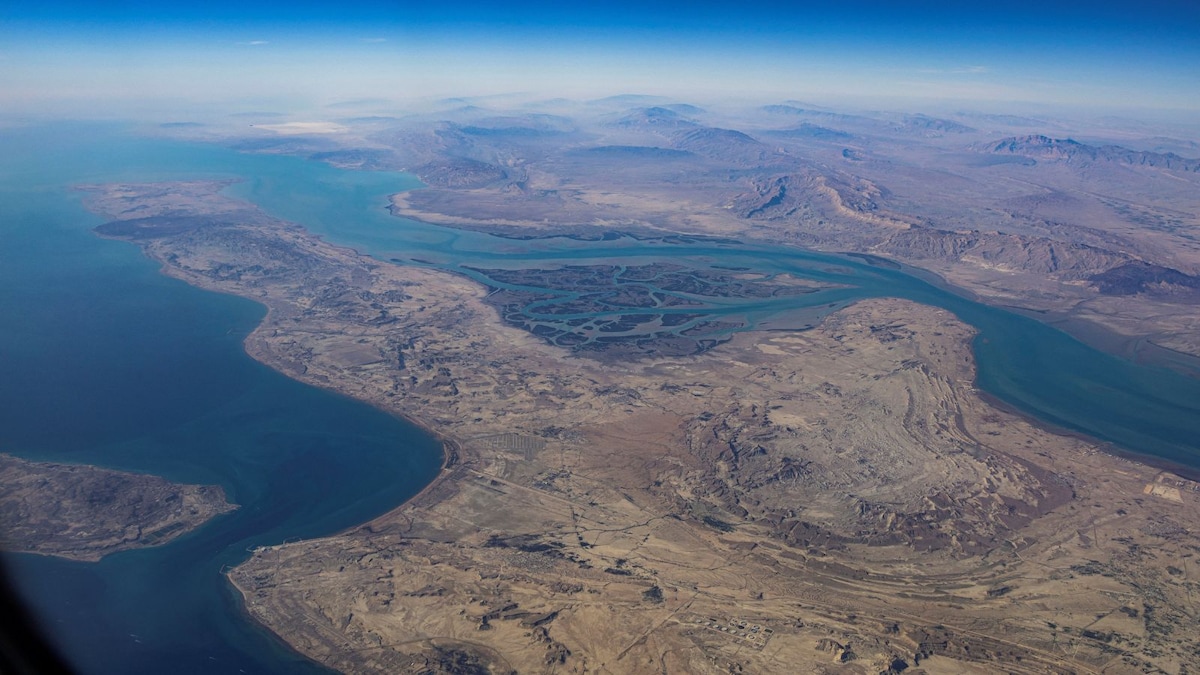
The United States and Iran are discussing a way to reduce their conflict.
Iran has blocked ships from using the Strait of Hormuz, an important route for oil shipments.
The United States is using a blockade and sanctions to pressure Iran’s economy.
One possible plan would reopen the strait while the United States eases or ends its blockade.
Iran might also regain access to money held outside the country.
Iran may postpone asking ships to pay transit fees so that the blockade issue can be resolved first.
Both sides worry that making the first concession will leave them with less bargaining power.
Gulf countries want the conflict to calm down but do not want Iran controlling the waterway or charging tolls.
Officials warn that failure to reach an agreement could increase the risk of renewed fighting.

US and Iranian negotiators in New York are exploring a phased agreement to reopen the Strait of Hormuz and end the US economic blockade.
Iran seeks economic relief and possible access to frozen assets, while Washington wants unrestricted shipping through the strategic oil route.
Neither side wants to surrender its leverage first, making it difficult to secure durable concessions and mutual trust.
Former US negotiator Dennis Ross estimated a 30% chance of a deal before the November 3 congressional elections.
Iran may move its demand for transit fees to a side document, while Gulf states reject Iranian control or tolls and call for de-escalation.
- Who
- US and Iranian negotiators are conducting the discussions, while Gulf, European, regional and Western officials are involved or monitoring them.
- What
- They are exploring a phased arrangement under which Iran would reopen the Strait of Hormuz and the United States would lift its economic blockade.
- When
- The talks were reported on September 24, with November 3 identified as the date of the US congressional elections.
- Where
- The negotiations are taking place in New York alongside the United Nations General Assembly.
- Why
- Iran seeks relief from economic pressure, while the United States seeks restored freedom of navigation through a major global oil route.
Iranian Position
US and Gulf Position
Order of concessions
Iranian Position
Iran wants economic pressure removed as part of the initial stage and argues that the blockade must end before it makes major concessions.
US and Gulf Position
The United States wants its economic pressure to produce concessions, especially the restoration of unrestricted passage through Hormuz.
Control and transit fees
Iranian Position
Iran may defer its demand for transit fees but is reported to be unwilling to abandon its broader claim to administrative control of the waterway.
US and Gulf Position
Gulf states reject Iranian control or payments for passage and want freedom of navigation restored without Hormuz becoming a coercive tool.
Diplomatic strategy
Iranian Position
Iran says US demands and economic pressure are reducing the chances of diplomacy and is preparing for possible renewed conflict.
US and Gulf Position
US officials say Washington has strong leverage and no need to negotiate unless conditions are favorable, while Gulf leaders seek de-escalation and clarity about the US endgame.
- Proposed first stage
- Iran would reopen the Strait of Hormuz while the United States ends or eases its economic blockade.
- Potential Iranian benefit
- Iran could potentially regain access to frozen assets.
- Transit-fee demand
- Iran may move its demand for vessel transit payments from the main agreement to a separate attachment.
- Estimated deal odds
- Former US negotiator Dennis Ross put the chance of an agreement before the November 3 vote at 30%.
- Previous arrangement
- An earlier temporary understanding collapsed in July.
- US economic pressure
- The United States has added sanctions targeting Iran’s oil exports, commercial airlines and related support networks.
- Gulf position
- Gulf states support de-escalation and freedom of navigation but reject Iranian control or transit payments in Hormuz.

