Archive · 12 Nov 2025
Indian Politics: From Respectful Discourse to Pessimism and Election Focus

Imagine politics used to be like a friendly debate, where people who disagreed could still be nice to each other, like a picture of two leaders shaking hands warmly.
They respected each other even when they had different ideas for the country.
But now, politics feels more like a shouting match where people don't like each other and only focus on winning, no matter what.
This is partly because of TV and the internet that make arguments louder, and because everyone is always trying to win elections by picking sides based on religion or background.
Instead of talking about big problems like jobs or fairness, politicians focus on making sure their team wins.
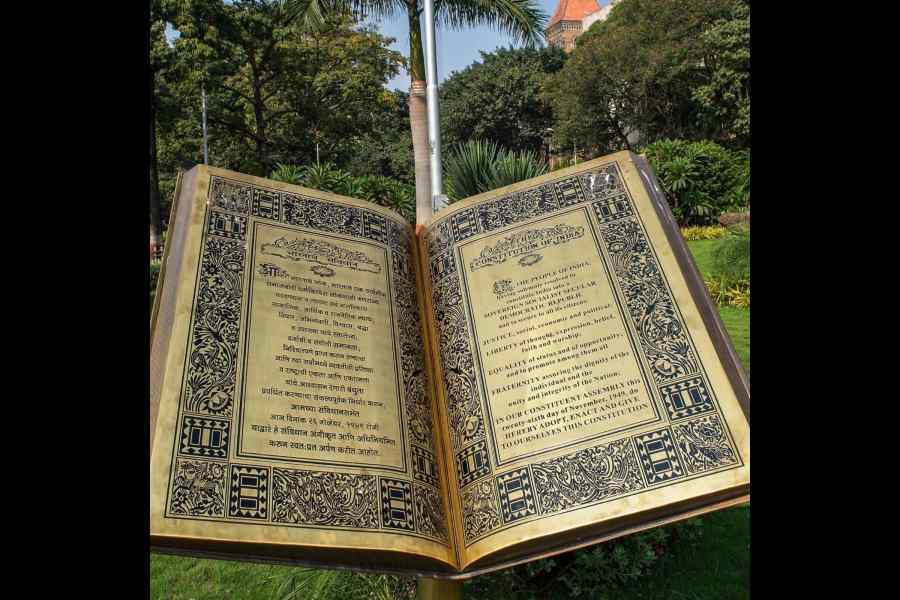
The constitution actually wants the government to help fix social problems and make sure everyone is treated fairly and with respect, which is a bit different from just winning elections.

Indian politics has shifted from an era of civility and mutual respect among leaders to one characterized by polarization, hostility, and demonization of opponents.
The current political discourse is often pessimistic, with opposition parties struggling to offer constructive alternatives, while pro-regime commentators focus on historical "bad guys."
Elections have become central, transforming politics into an industry where parties compete like firms, treating voters as consumers and using identity divisions for electoral gain.
The rise of identity politics, amplified by social and digital media, rewards outrage over dialogue, contributing to a dark and depressing political climate.
The Indian Constitution envisions a society based on social justice, dialogue, individual dignity, and diversity, implying a role for the state in addressing social problems beyond just electoral competition.
- Who
- Indian political leaders, commentators, and the electorate.
- What
- A shift in Indian politics from respectful discourse and statesmanship to polarization, pessimism, and an election-centric approach.
- When
- Contrasting the era of P V Narasimha Rao's oath-taking in 1991 with the present political climate.
- Where
- India.
- Why
- The rise of identity politics, media amplification, a hyper-competitive electoral arena, a decline in statesmanship, erosion of institutional trust, and an election-centric imagination of democracy that treats voters as consumers.
Past Politics
Current Politics
Nature of Discourse
Past Politics
Characterized by warmth, respect, and civility, even among political adversaries. Leaders disagreed without demonizing each other and were guided by a larger sense of nationhood and duty.
Current Politics
Marked by suspicion, hostility, animosity, and polarization (religious, caste-based, regional). Rivals are demonized as enemies, and politics is seen as a zero-sum game where winning at all costs is paramount.
Leadership Focus
Past Politics
Leaders were conscious of history and responsibilities, viewing politics as a means to serve. Personal ambitions were tempered by respect for institutions and colleagues. Ideological differences did not equate to personal hatred.
Current Politics
Political class has a monopoly on defining issues, leading to a distance from the social world. Societal divisions are employed for electoral formations, and parties often avoid societal conflicts unless they have electoral value. The focus is on perpetual campaign mode and vilification over persuasion.
Role of Media and Discourse
Past Politics
A culture of restraint prevailed, with leaders capable of praising opponents. Dialogue and constructive debate were valued.
Current Politics
Social and digital media amplify divides, rewarding outrage over dialogue. The political discourse has become dark, depressing, and striking in its negativity, with a cluelessness and pessimism among opposition.
Aspirations and Hope
Past Politics
Politics was passionate without being poisonous, competitive without being cruel. A gesture of respect could reshape the political culture.
Current Politics
Pessimism prevails, with opposition struggling to offer constructive packages of ideas. Pro-regime commentators frame the present as an age of political justice by finding fault with the past. Hope and aspiration are understood as hurt sentiments.
- Key Photograph
- P V Narasimha Rao being greeted by V P Singh before oath-taking in 1991
- Era Contrast
- 1991 symbolized civility and respect between political rivals; current era is marked by hostility and polarization.
- Drivers of Current Politics
- Identity politics, media amplification, hyper-competitive electoral arena, decline of statesmanship, and erosion of institutional trust.
- Ideal Indian Society (Constitution)
- Social justice with political freedom and economic equality; culture of dialogue; dignity of individual; celebration of diversity.
- Role of State (Constitution)
- Interventionist State with a moral duty to address social problems like communalism, untouchability, gender discrimination, and economic disparities.