Archive · 31 Jul 2025
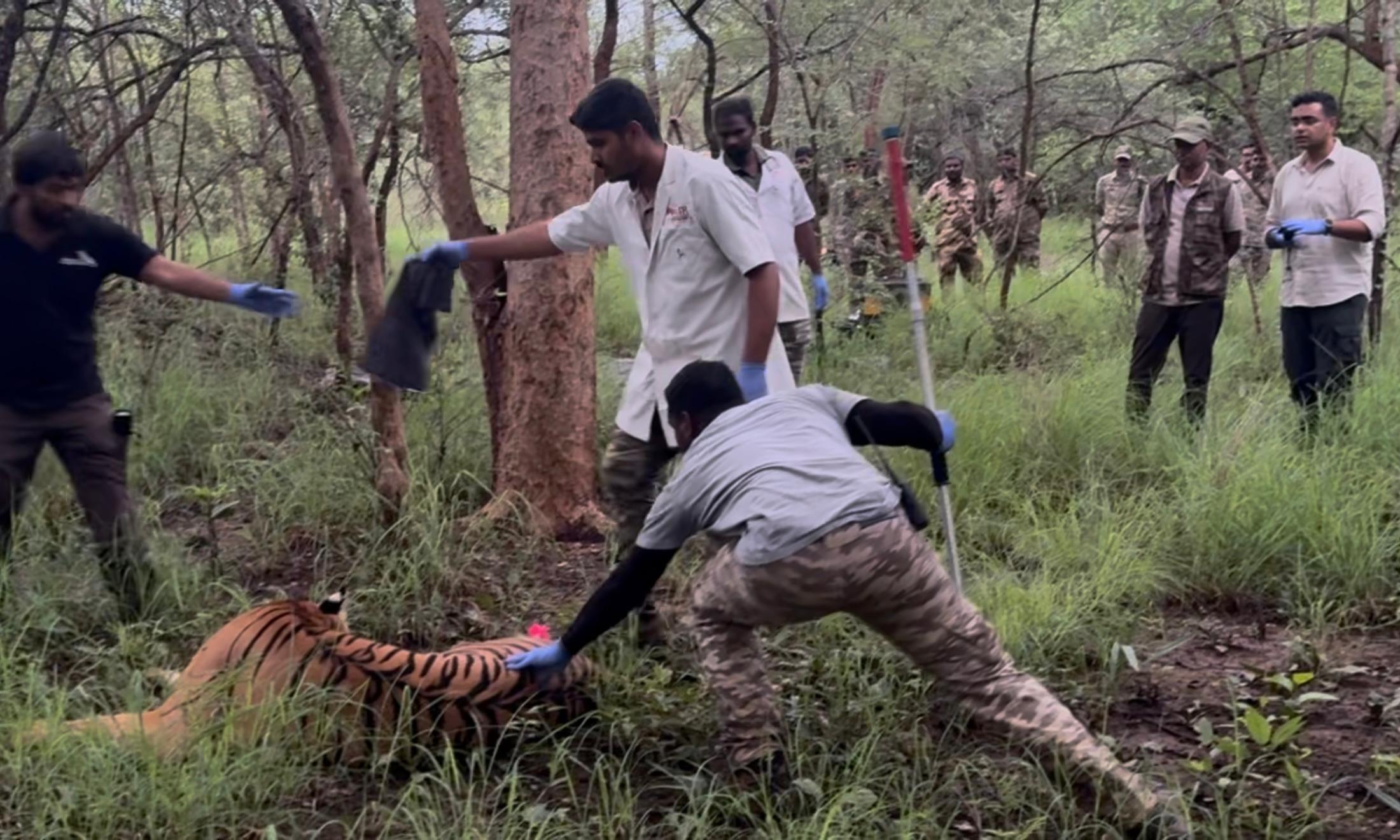
Tigress T132F's Injury Highlights Poaching Threat to NSTR Tigers

The injured tigress, T132F, is part of a bigger problem.
Other tigers have also been hurt by traps set by poachers in the same area.
Many people walk through the forest for religious festivals, pushing tigers to the edges where traps are set for wild pigs.
One tiger was saved from a trap last year, but later died from an electric trap.
Experts say that if the authorities do not make it a daily practice to hunt down poachers and remove traps, the tigers will always be in danger.
A special team has been requested to protect the tigers but nothing has been done.

Tigress T132F is not the first tiger to be caught in a poacher's snare in Nagarjunasagar Srisailam Tiger Reserve.
Tigers are driven out of deeper forest areas annually between February and April due to pilgrim activities.
A tiger previously rescued from a wire snare died after encountering an electrified snare earlier this year.
Anti-poaching and anti-snare drives are needed to protect tigers in NSTR.
Requests for a Special Tiger Protection Force have been made to the AP state government with no action.
- Who
- Tigers, including T132F, are the victims of poaching.
- What
- Tigers in Nagarjunasagar Srisailam Tiger Reserve are vulnerable to poachers' snares.
- When
- Tigers are particularly at risk between February and April.
- Where
- Nagarjunasagar Srisailam Tiger Reserve in Andhra Pradesh.
- Why
- Poachers set snares to catch wild boar, endangering tigers.
- Tiger Reserve
- Nagarjunasagar Srisailam
- Primary Threat
- Poacher's snares
- Vulnerable Period
- Feb-Apr annually
- Previous Incident
- Tiger death from electric snare
- Ecosystem Value
- Each tiger worth Rs 5-10 crore