2 hrs ago
Why Litigants Prefer Delhi for Intellectual Property Suits
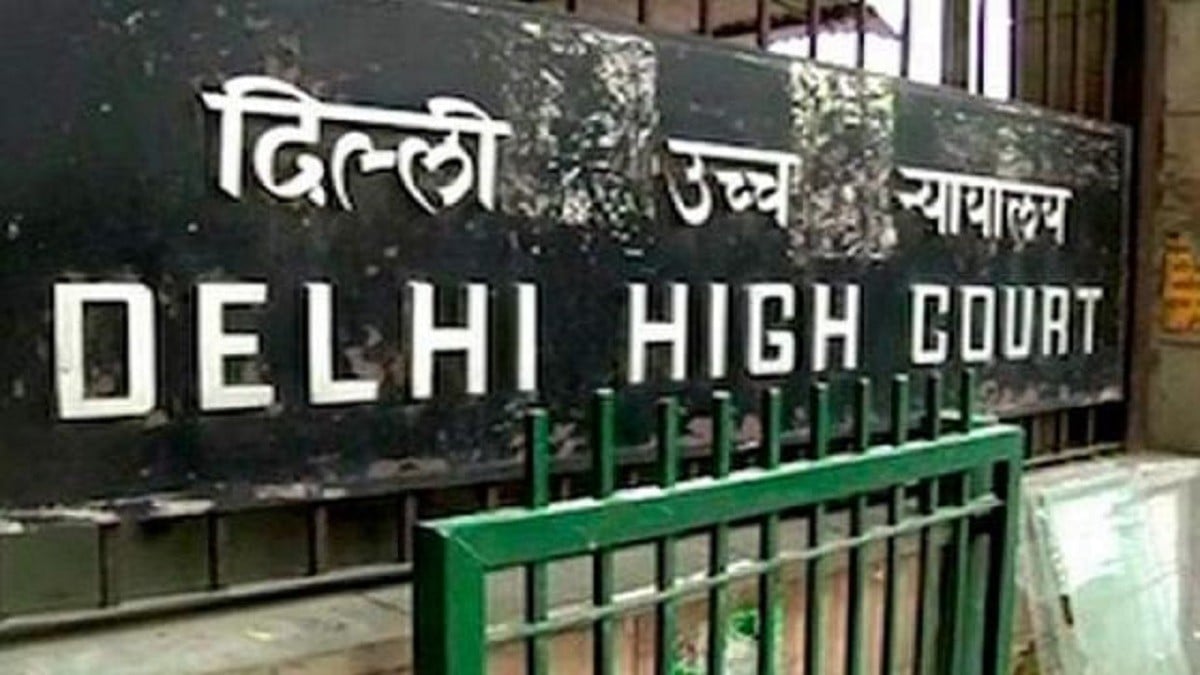
People who take intellectual property disputes to court often want a judge to hear them quickly.
The article compares the High Courts in Delhi and Bombay.
It reports that Delhi received more IP cases and completed them faster during the period studied.
Delhi also usually gave a first-hearing order within a week, while Bombay did so much less often.
The authors say Delhi’s filing system helps cases move quickly from the registry to a judge.
Delhi also has a special division for intellectual property cases.
But courts still have to decide which place has the right to hear a dispute.
One case has raised the question of whether people being able to see an online campaign in a city is enough to give that city’s court jurisdiction.
The authors argue that other High Courts should improve their filing systems so people do not have to travel far to get a timely hearing.

From January 2021 to July 2026, Delhi received 4,263 IP suits, compared with Bombay’s 3,076.
After three years, 53% of Bombay IP suits remained pending, compared with about one-third in Delhi.
Delhi issued a first-hearing order within a week in 97% of IP suits; Bombay did so in 21%.
The article attributes Delhi’s speed partly to default e-filing, prompt defect checks, and priority listing of fresh cases.
A larger bench is considering whether a campaign’s digital accessibility alone can establish jurisdiction in a distant forum.
- Who
- The Delhi and Bombay High Courts, and people bringing intellectual property suits.
- What
- An analysis comparing the courts’ IP case volumes, timelines, filing processes, and specialization.
- Where
- The Delhi and Bombay High Courts in India.
- When
- The case data covers January 2021 to July 2026; the article also discusses recent jurisdictional cases.
- Why
- The authors examine why litigants more often choose Delhi and argue that other High Courts should adopt practices that improve speed and predictability.
Digital reach can support jurisdiction
Jurisdiction should remain territorially anchored
Online access and territorial jurisdiction
Digital reach can support jurisdiction
In Hindustan Unilever v Kwick Living, Hindustan Unilever argued that Delhi had jurisdiction because the campaign could reach Delhi users through social media and e-commerce platforms.
Jurisdiction should remain territorially anchored
The Delhi court questioned whether digital accessibility alone should let a dispute be heard far from the physical location of the alleged offending hoarding, and referred the question to a larger bench.
Key facts
- Cases received
- Delhi: 4,263; Bombay: 3,076, between January 2021 and July 2026.
- Pending after three years
- 53% in Bombay; about one-third in Delhi.
- First-hearing order within one week
- 97% of Delhi IP suits; 21% of Bombay IP suits.
- Delhi filing process
- The article says matters are e-filed, defects are flagged within 24 hours, and eligible cases can be listed the next day.
- Bombay filing process
- The article describes two rounds of defect checks and says listing can take additional days, with timing less predictable.
- Delhi IP Division
- Established in 2021 after the abolition of the Intellectual Property Appellate Board.
- Jurisdiction question
- A larger bench was asked whether digital accessibility alone can support jurisdiction in a distant forum.
Sources
Related news
Centre Seeks Transfer of Anil Ambani Black Money Plea

Delhi High Court Rejects Vimal Elaichi Plea Over FDA Notices

Delhi High Court Notices Riju Ravindran Over Byju’s Alpha Costs

Denmark Sees Stronger IPR Driving Next Phase of India Ties

Delhi High Court Orders CJP Leaders To Remove Bhatia Posts

Supreme Court Seeks Nationwide Data on Commercial Courts

Delhi High Court Orders DDA to Process Freehold Applications
Delhi High Court Warns Tihar Warden Against Unnecessary Beatings
Delhi High Court Rejects Contractual Hiring as Hospital Staffing Solution

Delhi High Court Demands Accountability, Timelines for Mahipalpur Waterlogging Solutions