

Archive · 28 Sep 2025
ASI Urged to Adopt Proactive Heritage Conservation Strategy
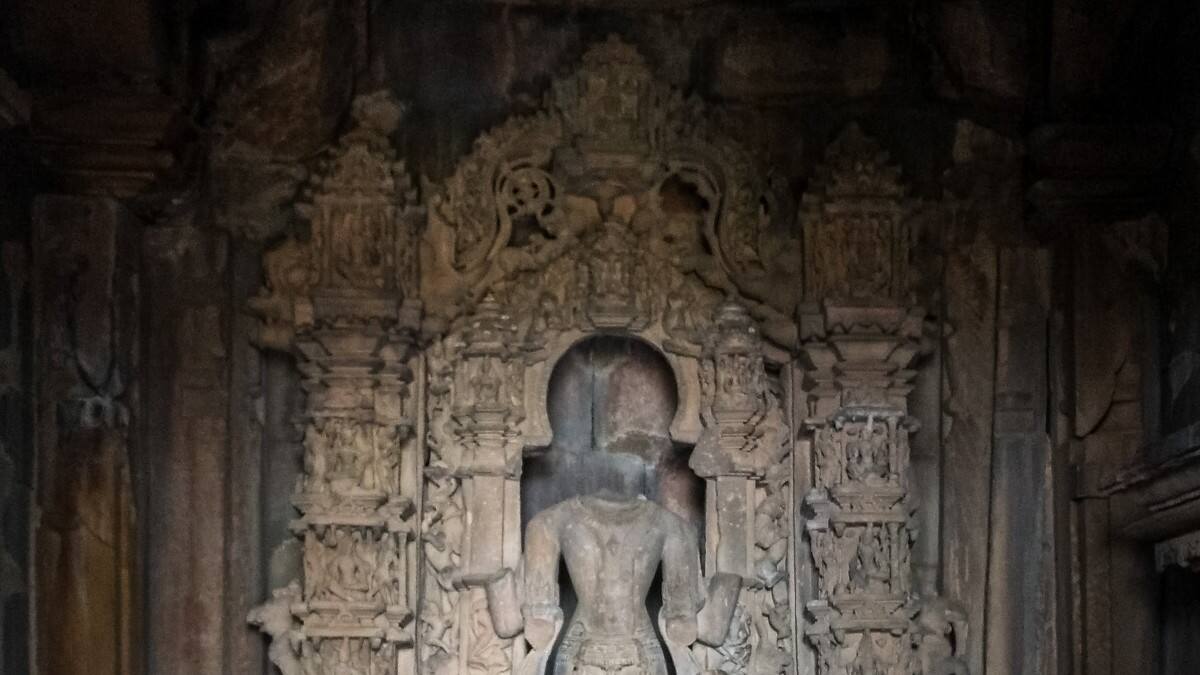
The ASI, responsible for protecting ancient sites in India, is being urged to rethink its approach to conservation.
Critics argue that the current method, which preserves sites in their current state of decay, isn't effective.
They suggest that restoring these sites could boost tourism and the economy, using examples like Borobudur in Indonesia.
The article highlights several sites that could benefit from full restoration and suggests public-private partnerships and local involvement as ways to fund and manage these projects, proposing a shift away from the current conservation strategy.

The ASI is being questioned on its 'as is, where is' approach to heritage preservation.
Concerns include the impact of climate change and historic damage on ancient structures.
Restoration of sites like the Borobudur stupa shows the potential to drive tourism.
The article highlights several sites that could benefit from restoration, like Kesariya Stupa and Martand Sun Temple.
Proponents suggest public-private partnerships and community involvement.
- Who
- Archaeological Survey of India (ASI)
- What
- Facing scrutiny over its 'as is, where is' heritage conservation approach and the potential for site restoration
- When
- World Tourism Day
- Where
- India
- Why
- To improve heritage preservation and boost tourism, especially at sites like Kesariya Stupa and Martand Sun Temple.
- Organization
- Archaeological Survey of India (ASI)
- Focus
- Heritage site preservation
- Issue
- Debate over ‘as is, where is’ conservation approach
- Examples
- Khajuraho, Kesariya Stupa, Martand Sun Temple, Deogarh, Sirpur, Ahmedabad Stepwells
- Advocates
- Restoration and public-private partnerships