

1 week ago
Young People Rediscover Handwritten Diaries in Digital Age
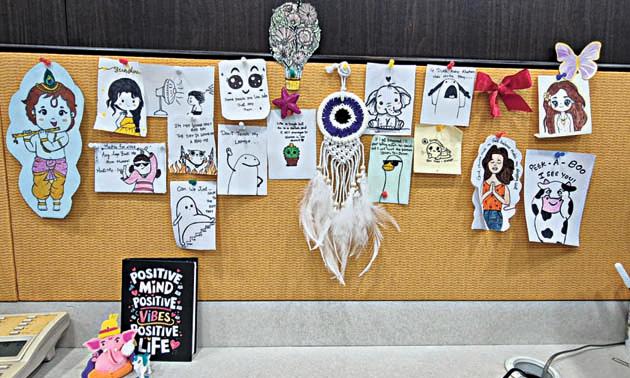
Many young people are using notebooks to write down their thoughts.
Phones and computers are faster, but notebooks can feel calmer.
Writing by hand gives people time to think before expressing themselves.
A diary does not need perfect spelling or neat handwriting.
People can use it for plans, dreams, gratitude lists or angry feelings.
They do not have to share it or receive likes and comments.
Social media has made journaling look popular, but many people mainly want a private space.
Old notebooks can also show how a person and their handwriting changed over time.

Young digital users are returning to handwritten diaries despite the convenience of electronic notes.
Writing by hand can create a slower, more deliberate space for reflection and emotional expression.
Unlike social media posts, diaries allow unfinished thoughts, mistakes, doodles and private honesty without an audience.
Social media has helped popularize journaling aesthetics, while also encouraging interest in notebooks and stationery.
Old handwritten journals preserve physical signs of time, including changing handwriting, fading ink and worn pages.
- Who
- Young people, including digital-native notebook users, are returning to handwritten journaling.
- What
- Handwritten diaries are gaining renewed interest as a private way to reflect, express emotions and record daily life.
- Where
- The article discusses the trend broadly and does not identify a specific location.
- When
- The article describes a current, gradual comeback, without specifying a date.
- Why
- Some young people value the slower pace, privacy, freedom from notifications and physical record created by handwriting.
Key facts
- Main trend
- Youngsters are choosing notebooks and handwritten diaries alongside digital tools.
- Digital alternative
- Electronic notes can be typed quickly, searched and accessed across devices.
- Journaling effect
- A psychologist says handwriting can create a deliberate pause that may support reflection and emotional expression.
- Privacy
- Handwritten diaries do not require an audience, likes, comments or approval.
- Formats
- Entries may include reflections, lists, sketches, dreams, plans, rants or unfinished thoughts.
- Stationery interest
- The journaling revival has helped renew interest in notebooks, fountain pens, coloured pens, stickers, washi tape and planners.
- Record of time
- Handwriting, fading ink and worn pages can preserve physical evidence of when a diary was created.
Quotes
Dr Jaya Vijay
Psychologist quoted about the reflective benefits of handwriting.
“A diary is one place where you don't have to sound intelligent, articulate or even make sense. You can write badly, change your mind halfway through a sentence and leave a thought unfinished. That honesty is what makes handwritten journaling special.”
 deccanchronicle.com
“There is a sense of slowing down when you write by hand. It can create a deliberate pause between what a person is thinking and how they express it. For some people, that process can help with reflection and emotional expression.”
deccanchronicle.com
Mahi Khot
A 23-year-old journal keeper describing how notebooks reduce digital distractions.
“I keep my phone away when I journal. Otherwise, I will start writing and five minutes later I’ll be scrolling. With a notebook, there is nothing else to do except write.”
deccanchronicle.com
Sources
Related news
Hyderabad Postcard Enthusiasts Revive Handwritten Connections as a Hobby

Mint Lounge explores analogue travel, modaks, art, health, fiction

Vishal Chaturvedi Explains Writing Hanuman Ansh Without Technology

Putting Phones Down Opens Family Conversation During Desert Picnic

AI Backlash Fuels Renewed Love for Retro Music Gadgets
