

Archive · 14 Jan 2026
Intentional Singlehood: A Growing Life Choice
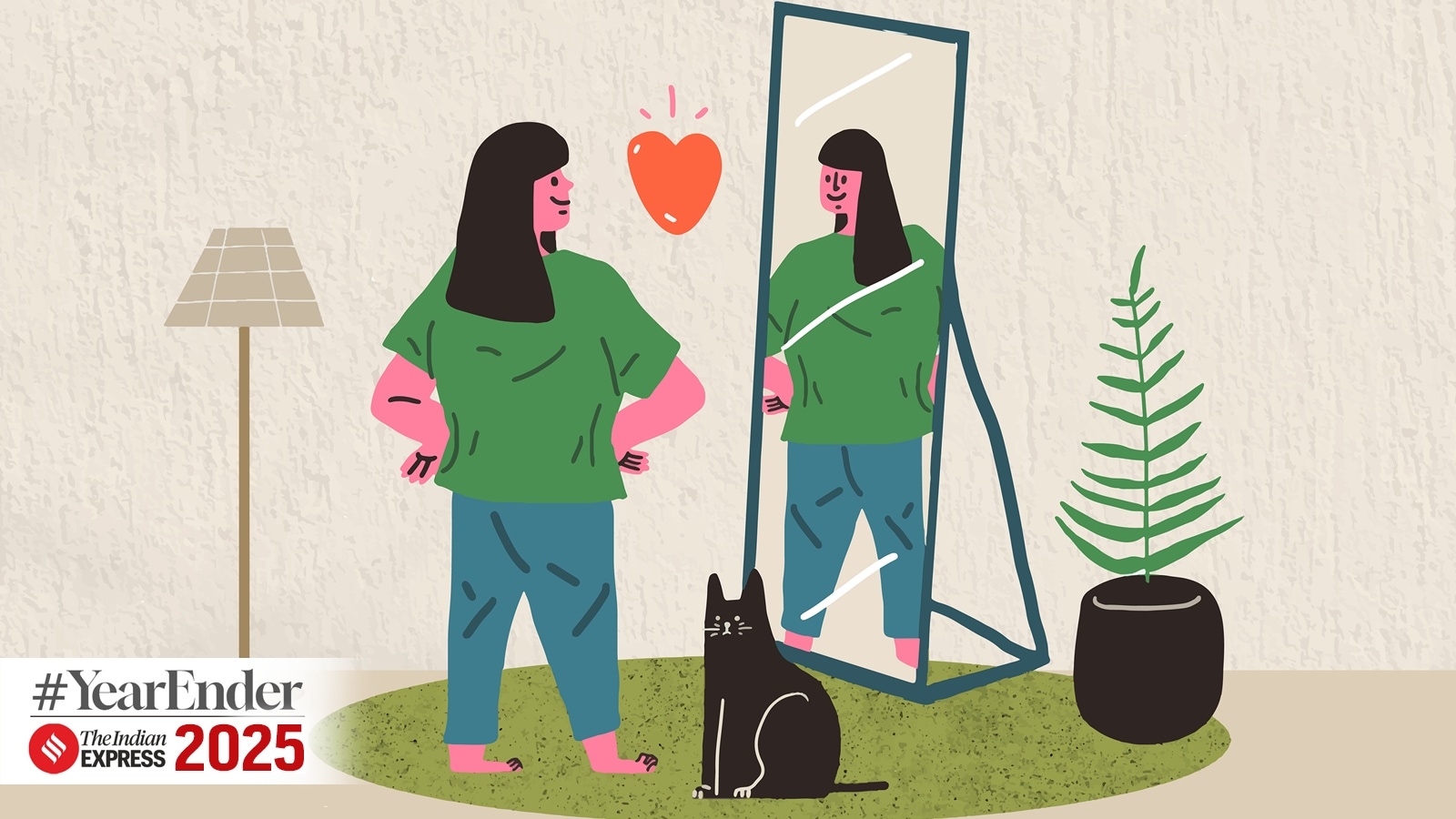
In 2025, more people started choosing to be single on purpose.
They didn't see it as a bad thing or something that needed to be fixed.
Instead, they saw it as a way to live life on their own terms.
This change happened because people started talking more about things like emotional labour, money, mental health, and what makes a good relationship.
They realized that being happy and independent was just as important as being in a relationship.
In India, this was a big change because before, people thought being single was something that needed to be fixed.
But now, more people are okay with being single and see it as a good choice.
Some people even choose to be single to focus on their careers or personal growth.
There are also more people who are parents but not married, and they don't want to be called 'single parents' because they feel that label is not fair.
Some couples are also choosing to live apart but still be in a relationship, which makes them happier because they have to work harder to communicate and spend quality time together.

By 2025, singlehood became a legitimate life choice for many, shaped by intention and self-awareness.
This shift was driven by discussions around emotional labour, financial independence, and mental health.
In India, the 2011 Census showed over 10 million single-person households, a number expected to grow.
Many singles now define themselves by their autonomy and fulfilment rather than their relationship status.
Alternative relationship models like 'living apart together' (LAT) gained popularity, with couples reporting higher satisfaction.
- Who
- Individuals, particularly women, in India and the USA
- What
- A shift towards intentional singlehood as a valid life choice
- When
- By 2025, with trends starting earlier
- Where
- Primarily in urban areas of India and the USA
- Why
- Due to changing ideas about fulfilment, financial independence, and emotional labour
- Predicted Single Women in USA (2030)
- 45%
- Single-Person Households in India (2011 Census)
- 10 million+
- LAT Relationship Satisfaction
- Higher than traditional cohabitation