

Archive · 20 Jul 2026
Retirees Should File ITR Even Below Tax Limit
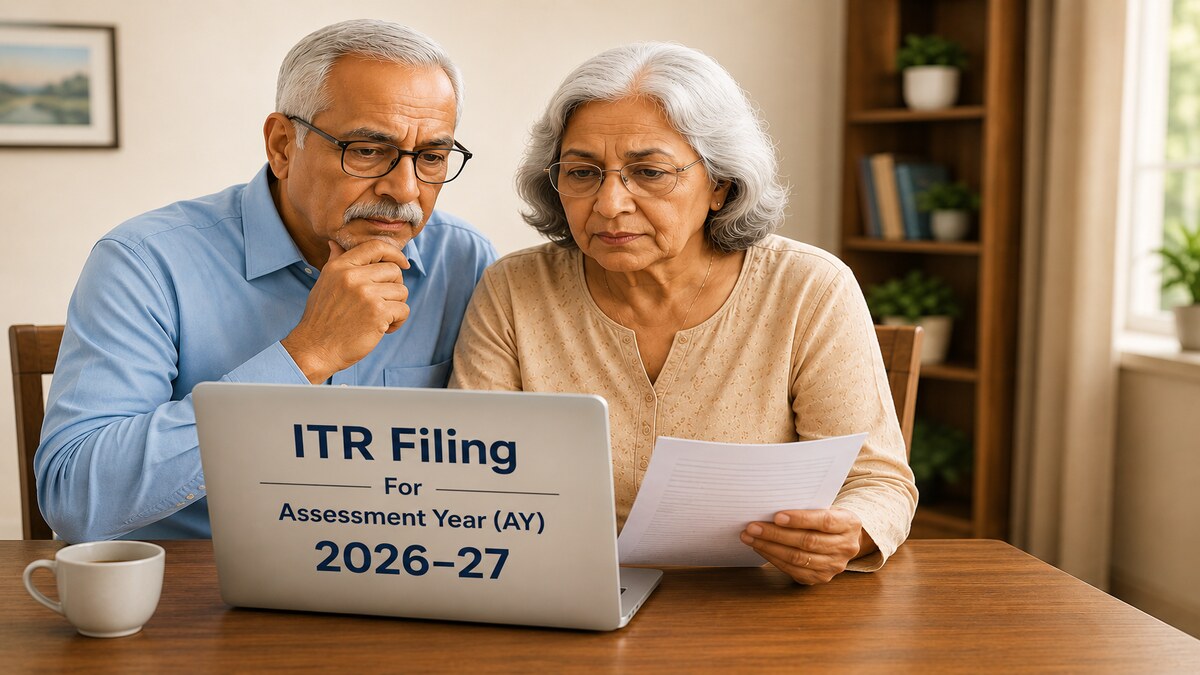
Even if retirees in India have income below the taxable limit, it's beneficial to file their Income Tax Return (ITR).
Filing ITR helps them recover any excess tax deducted by banks, carry forward capital losses from investments, and maintain a documented record of income.
This record can be useful when applying for loans, visas, or other financial products.
Retirees should evaluate their filing obligation each year based on their income composition.
Maintaining proper documentation, such as pension statements, interest certificates, and property documents, ensures consistency in future tax filings and reduces the effort involved in responding to departmental queries.
Filing ITR is not just a statutory obligation but also an annual financial health statement that provides long-term compliance and documentation benefits.

Retirees should file ITR even if their income is below the taxable limit to recover excess tax and carry forward capital losses.
Filing ITR helps maintain a documented record of income useful for loans, visas, and other financial products.
Retirees should evaluate their filing obligation each year based on their income composition.
Maintaining proper documentation, such as pension statements and interest certificates, ensures consistency in future tax filings.
Filing ITR is not just a statutory obligation but also an annual financial health statement that provides long-term compliance and documentation benefits.
- Who
- Retirees with income below the taxable limit.
- What
- Filing Income Tax Return (ITR).
- When
- For the Assessment Year 2026-27 (FY 2025-26).
- Where
- India.
- Why
- To recover excess tax, carry forward capital losses, claim deductions, and maintain documented income records.
Filing ITR
Not Filing ITR
Financial Benefits
Filing ITR
Filing ITR helps recover excess tax deducted, carry forward capital losses, and claim deductions.
Not Filing ITR
Not filing ITR may result in missing out on these benefits.
Legal and Documentation Benefits
Filing ITR
Filing ITR creates a documented record of income useful for loans, visas, and other financial products.
Not Filing ITR
Not filing ITR may lead to difficulties in obtaining loans or visas due to lack of documented income history.
- Income Tax Slab for Senior Citizens (Old Regime)
- Up to Rs 3,00,000: Nil, Rs 3,00,001 – Rs 5,00,000: 5%, above Rs 5,00,000: Rs 10,000 + 20%, above Rs 10,00,000: Rs 1,10,000 + 30%
- Income Tax Slab for Senior Citizens (New Regime)
- Up to Rs 4,00,000: Nil, Rs 4,00,001 – Rs 8,00,000: 5%, above Rs 8,00,000: Rs 20,000 + 10%, above Rs 12,00,000: Rs 60,000 + 15%, above Rs 16,00,000: Rs 1,20,000 + 20%, above Rs 20,00,000: Rs 2,00,000 + 25%, above Rs 24,00,000: Rs 3,00,000 + 30%
- Income Tax Slab for Super Senior Citizens (Old Regime)
- Up to Rs 5,00,000: Nil, Rs 5,00,001 – Rs 10,00,000: 20%, above Rs 10,00,000: Rs 1,00,000 + 30%
- Income Tax Slab for Super Senior Citizens (New Regime)
- Up to Rs 3,00,000: Nil, Rs 3,00,001 – Rs 7,00,000: 5%, above Rs 7,00,000: Rs 20,000 + 10%, above Rs 10,00,000: Rs 50,000 + 15%, above Rs 12,00,000: Rs 80,000 + 20%, above Rs 15,00,000: Rs 1,40,000 + 30%
- Tax-Free Limit
- Rs 4 lakh under the new regime, Rs 5 lakh under the old regime with rebates.
- Applicable ITR Forms
- ITR-1 for pension, interest income, and single house property; ITR-2 for capital gains, foreign assets; ITR-3 or ITR-4 for consultancy or business income.
- Key Records to Maintain
- Pension statements, interest certificates, Form 26AS, capital gains statements, medical insurance receipts, property documents, earlier ITRs.