Archive · 1 Oct 2026
India Approves ₹1.86 Lakh Crore Green Energy Corridor-III
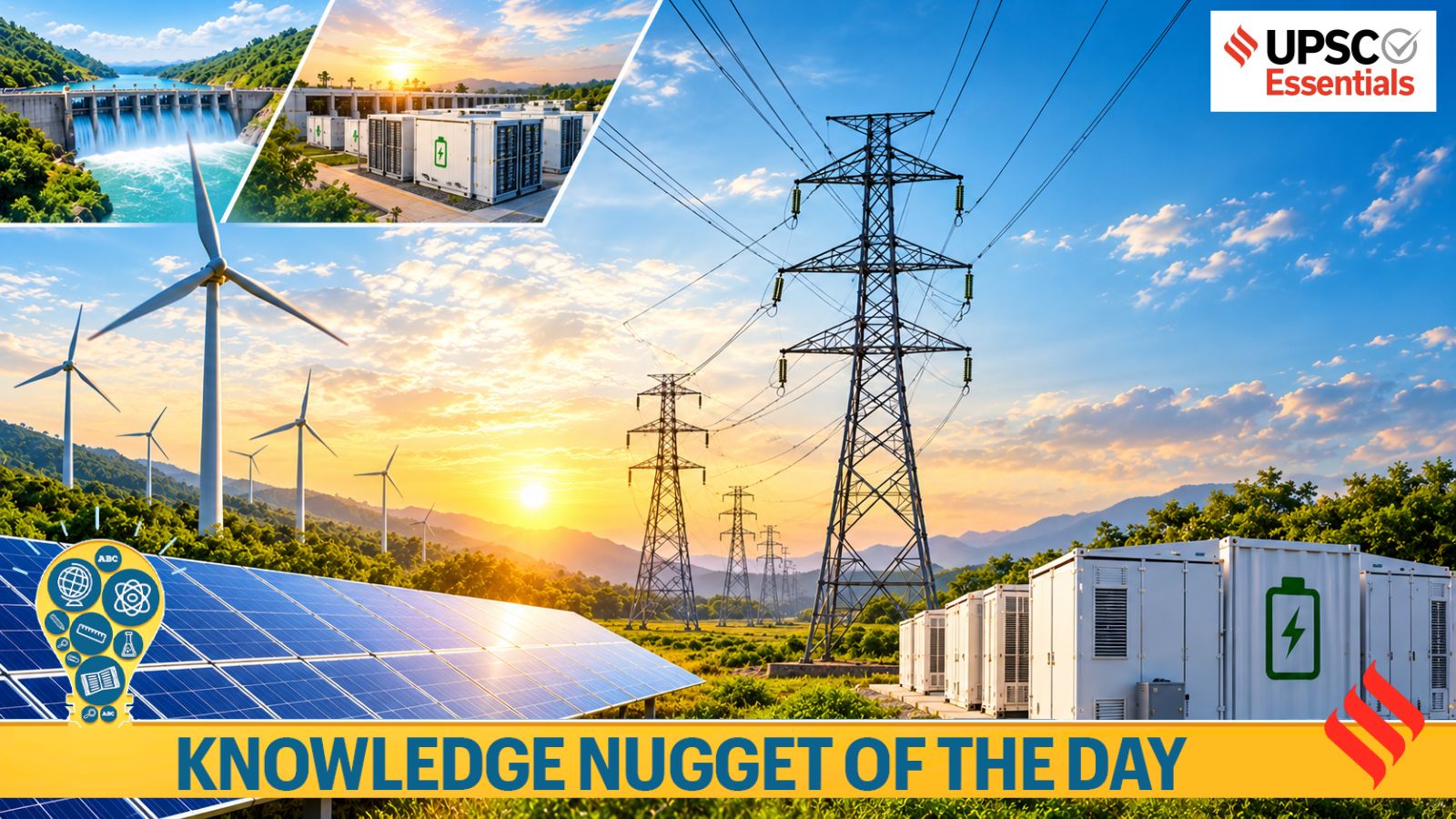
India’s Cabinet approved a very large plan to move more clean electricity around the country.
The plan is called Green Energy Corridor Phase-III.
It will strengthen electricity lines within states and Union Territories.
These lines could help carry up to 135 gigawatts of solar and wind power.
The plan also includes batteries that can store 50 gigawatt-hours of electricity.
The batteries can help when sunlight or wind changes, or when electricity lines become crowded.
They can also supply power during hours without sunlight.
The government says the plan will help India reach its clean-energy goals, but earlier projects have experienced delays.

The Union Cabinet approved Green Energy Corridor Phase-III with a total outlay of ₹1,86,405 crore.
The scheme will strengthen intra-state transmission systems to evacuate up to 135 GW of renewable energy.
It includes 50 GWh of battery storage to manage intermittency, congestion, curtailment and non-solar-hour demand.
The Centre will provide ₹54,082 crore, while ₹1,36,378 crore is allocated for transmission systems and ₹50,000 crore for storage.
The programme is targeted for completion by FY 2032-33, but earlier corridor phases have faced implementation and right-of-way delays.
- Who
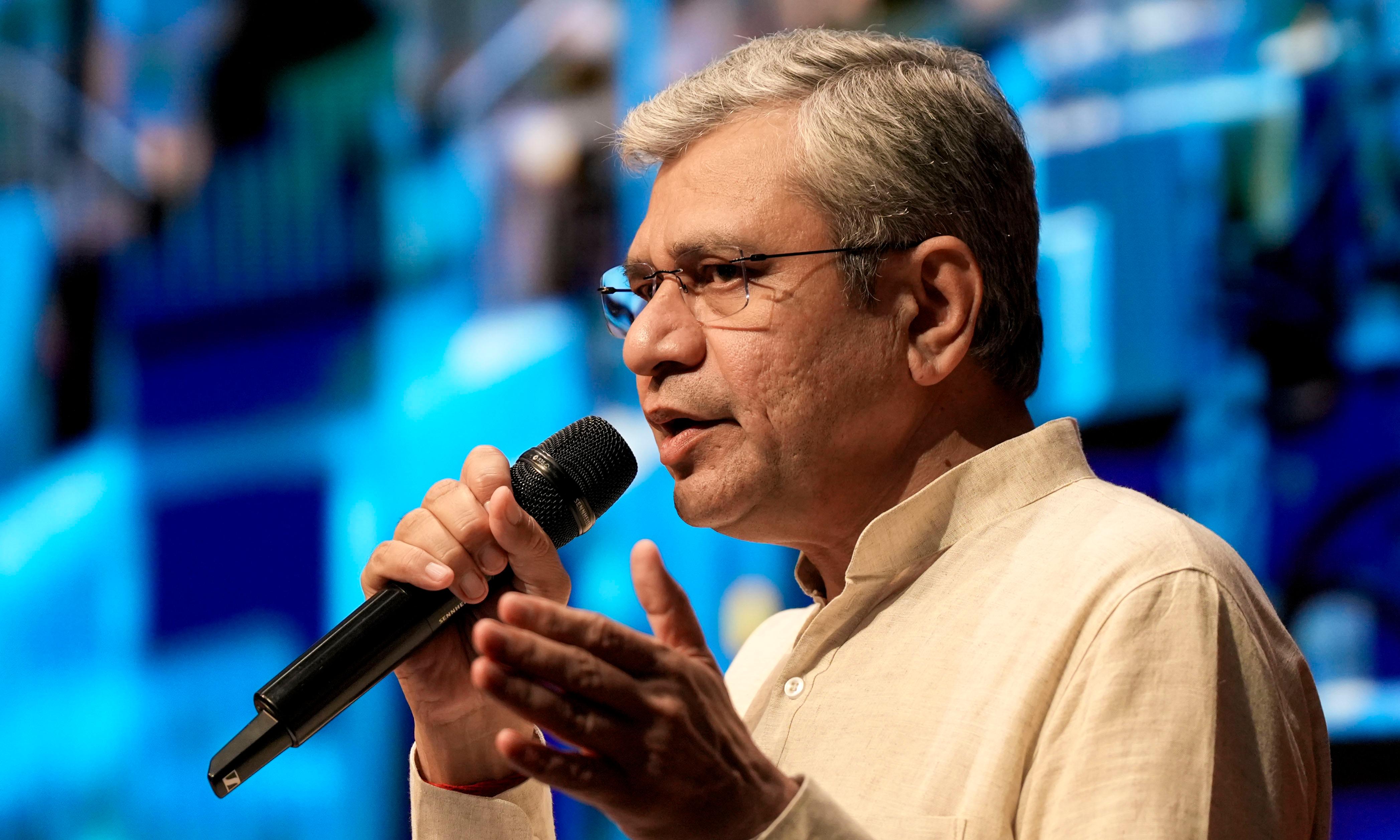
- The Union Cabinet approved the scheme, with Union Minister Ashwini Vaishnaw announcing the decision; the Ministry of New and Renewable Energy and State Transmission Utilities are involved in implementation.
- What
- Approval was given to Green Energy Corridor Phase-III, a ₹1,86,405 crore intra-state transmission and battery-storage programme.
- When
- The approval was announced on Wednesday, identified in one article as September 30; completion is targeted for FY 2032-33.
- Where
- The programme will strengthen intra-state transmission networks across Indian states and Union Territories.
- Why
- It is intended to evacuate more renewable power, reduce transmission-related curtailment and congestion, manage variable solar and wind output, and support demand during non-solar hours.
Government rationale
Implementation concerns
Need for rapid transmission expansion
Government rationale
The government says transmission capacity must be developed ahead of renewable-energy projects so that up to 135 GW can be evacuated and grid integration can improve.
Implementation concerns
Reports indicate that transmission bottlenecks have already restricted clean electricity, while a parliamentary panel has flagged delays in earlier Green Energy Corridor phases.
Effect of battery storage
Government rationale
The government says 50 GWh of storage will address intermittency, congestion and peak-hour curtailment while helping meet demand during non-solar hours.
Implementation concerns
The articles describe continuing operational and infrastructure challenges, including restrictions affecting renewable projects and losses from curtailed generation.
Consumer and economic benefits
Government rationale
The government says central financial assistance will offset intra-state transmission charges, keep power costs down and create employment in power, manufacturing and construction.
Implementation concerns
The articles report that right-of-way compensation issues have delayed transmission-line construction, potentially slowing delivery of the intended benefits.
- Total outlay
- ₹1,86,405 crore
- Renewable evacuation capacity
- Up to 135 GW
- Battery storage
- 50 GWh of Battery Energy Storage Systems
- Transmission allocation
- ₹1,36,378 crore for intra-state transmission systems
- Storage allocation
- ₹50,000 crore for 50 GWh of battery storage
- Central financial assistance
- ₹54,082 crore
- Completion target
- FY 2032-33
- Reported constraints
- About 21 GW of renewable capacity is connected through temporary grid arrangements, with around 12 GW facing peak-solar evacuation restrictions.
Sources
Union Cabinet Approves Green Energy Corridors
Cabinet Approves Rs 1.86 Lakh Crore Green Energy Corridor-III, Transmission Push To Evacuate 135 GW Of Renewable Power
Knowledge Nugget: Why Green Energy Corridor Phase-III matters for India’s renewable energy push