

Archive · 29 Jan 2026
Low-GI Carbs Linked to Lower Dementia Risk
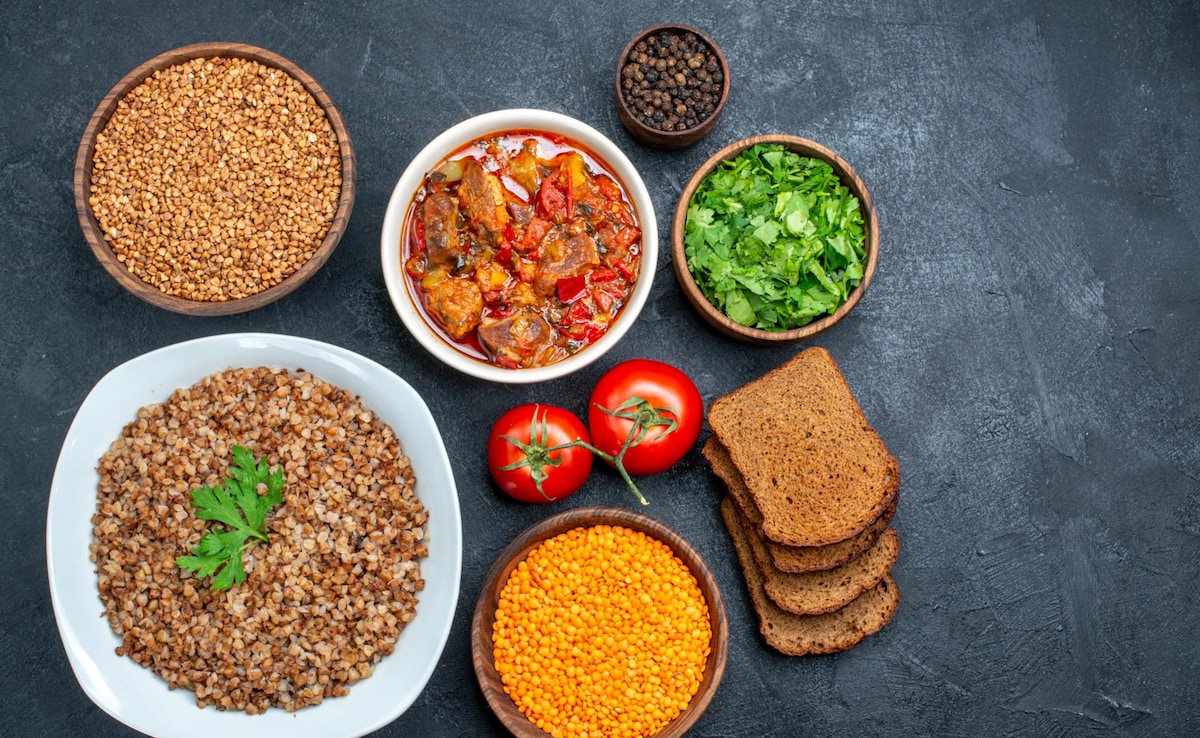
A recent study found that eating foods with a low glycaemic index (GI), like whole grains, legumes, and fruits, may help lower the risk of dementia.
These foods cause slower and steadier increases in blood sugar.
On the other hand, foods with a high GI, like white bread and sugary snacks, can cause rapid spikes in blood sugar and were linked to a higher risk of dementia.
The study followed over 200,000 adults for about 13 years and found that those who ate more low-GI foods had a 16% lower risk of developing dementia, while those who ate more high-GI foods had a 14% higher risk.
This suggests that choosing the right types of carbohydrates could be important for brain health.

Diets rich in low-GI carbohydrates were associated with a 16% lower risk of developing dementia.
Diets high in high-GI carbohydrates were linked to a 14% higher risk of dementia.
Low-GI foods include whole grains, legumes, and many fruits.
High-GI foods include white bread, refined starches, and sugary cereals.
The study followed over 200,000 adults for an average of 13.25 years.
- Who
- Researchers from Universitat Rovira i Virgili and the UK Biobank cohort
- What
- A study examining the relationship between carbohydrate quality and dementia risk
- When
- Over an average of 13.25 years
- Where
- UK Biobank cohort
- Why
- To understand how the type of carbohydrates in your diet may affect long-term dementia risk
- Study Participants
- More than 200,000 adults in the UK Biobank cohort
- Study Duration
- Average of 13.25 years
- Dementia Cases
- 2,362 individuals developed dementia
- Low-GI Diet Benefit
- 16% lower risk of developing dementia
- High-GI Diet Risk
- 14% higher risk of dementia
- Low-GI Foods
- Whole grains, legumes, many fruits
- High-GI Foods
- White bread, refined starches, sugary cereals