

Archive · 24 Sep 2025
Understanding Anemia: Causes, Symptoms, and Treatments for Women
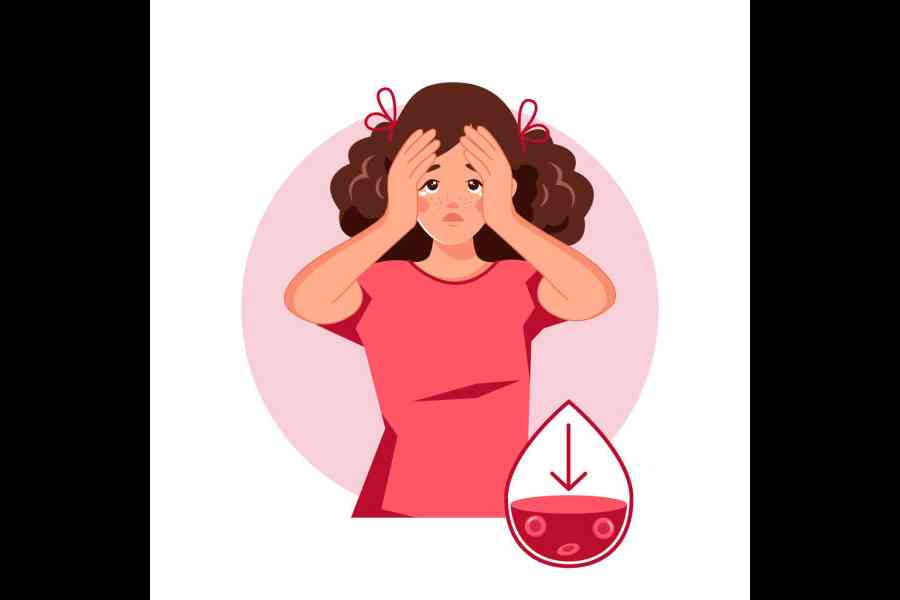
Imagine your body has a delivery system (blood) that carries important stuff like iron.
Sometimes, women can lose too much of this important stuff through their periods or after having a baby, leading to anemia.
This means they don't have enough of this essential stuff in their blood.
It can make them tired and weak.
Some women experience heavy periods (menorrhagia), which is bleeding too much.
Others have periods too often (polymenorrhea).
After a woman's body stops having periods for a year, this is menopause.
If there's any bleeding after that, it's a sign something may be wrong.
Doctors can do tests to see what's causing the problem and find the best way to help.

Anemia is prevalent in 55% of Indian women due to lower hemoglobin levels.
Women can become anemic due to menstruation and childbirth.
Menorrhagia (heavy bleeding) and polymenorrhea (frequent periods) can cause anemia.
Cycles can be irregular and excessive, especially when a girl begins to menstruate.
Bleeding after menopause is abnormal and requires investigation.
- Who
- Women are more likely to be anemic than men.
- What
- Anemia is a condition where the blood lacks enough healthy red blood cells. This article discusses the causes and treatments for anemia in women.
- When
- Menarche can occur between nine and 15 years of age, and menopause typically occurs between 45 and 55 years of age.
- Where
- The article is written by a doctor in India, referencing health issues of Indian women.
- Why
- Anemia in women can be caused by blood loss, especially through menstruation or childbirth. It is important to understand the causes and get the right treatment to maintain a good quality of life.
- Prevalence of Anemia
- 55% of Indian women
- Common Causes
- Menstruation, childbirth, heavy bleeding
- Menorrhagia
- Excessive bleeding during menstruation
- Polymenorrhea
- Frequent menstrual cycles (less than 28 days)
- Menopause Definition
- Absence of menstrual bleeding for 12 consecutive months