

Archive · 19 Jan 2026
Kashmiri Pandits' Exodus: Demands and Controversies

A long time ago, a group of people called Kashmiri Pandits, who were Hindus, were forced to leave their homes in a place called Kashmir.
This happened because they were being hurt and scared by others who wanted to make Kashmir only for Muslims.
Almost 700,000 Kashmiri Pandits had to leave their homes and live in refugee camps.
They lost their homes, and many people died.
Even after 35 years, they still don't have justice, and their story is often not talked about.
Every year, they remember this sad time on January 19.
Now, some Kashmiri Pandits want to go back to their homes, but others, like Farooq Abdullah, say it might be hard because they have built new lives elsewhere.
Some Pandits are protesting and asking for a separate homeland and help to return safely.

Kashmiri Pandits were forced to leave their homes in Kashmir in 1990 due to targeted violence and intimidation.
Nearly 7 lakh Kashmiri Pandits were affected, and they continue to live as refugees in India.
Kashmiri Pandits observe January 19 as 'Holocaust Remembrance Day/Exodus Day' to mark their mass exodus.
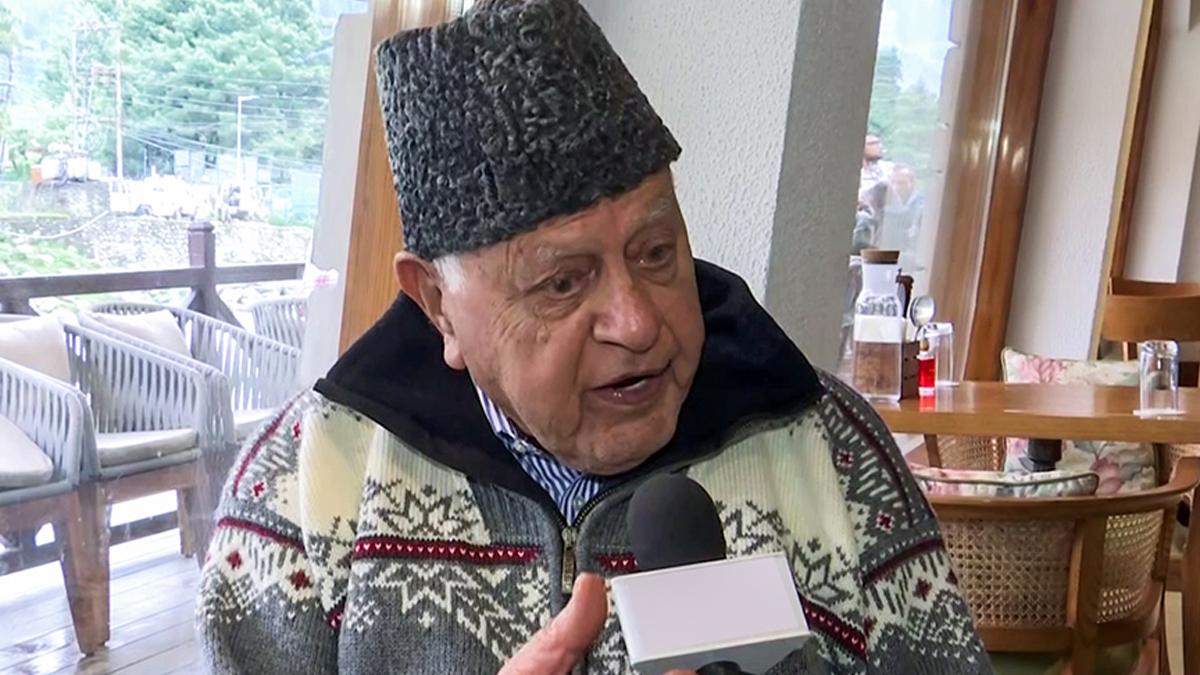
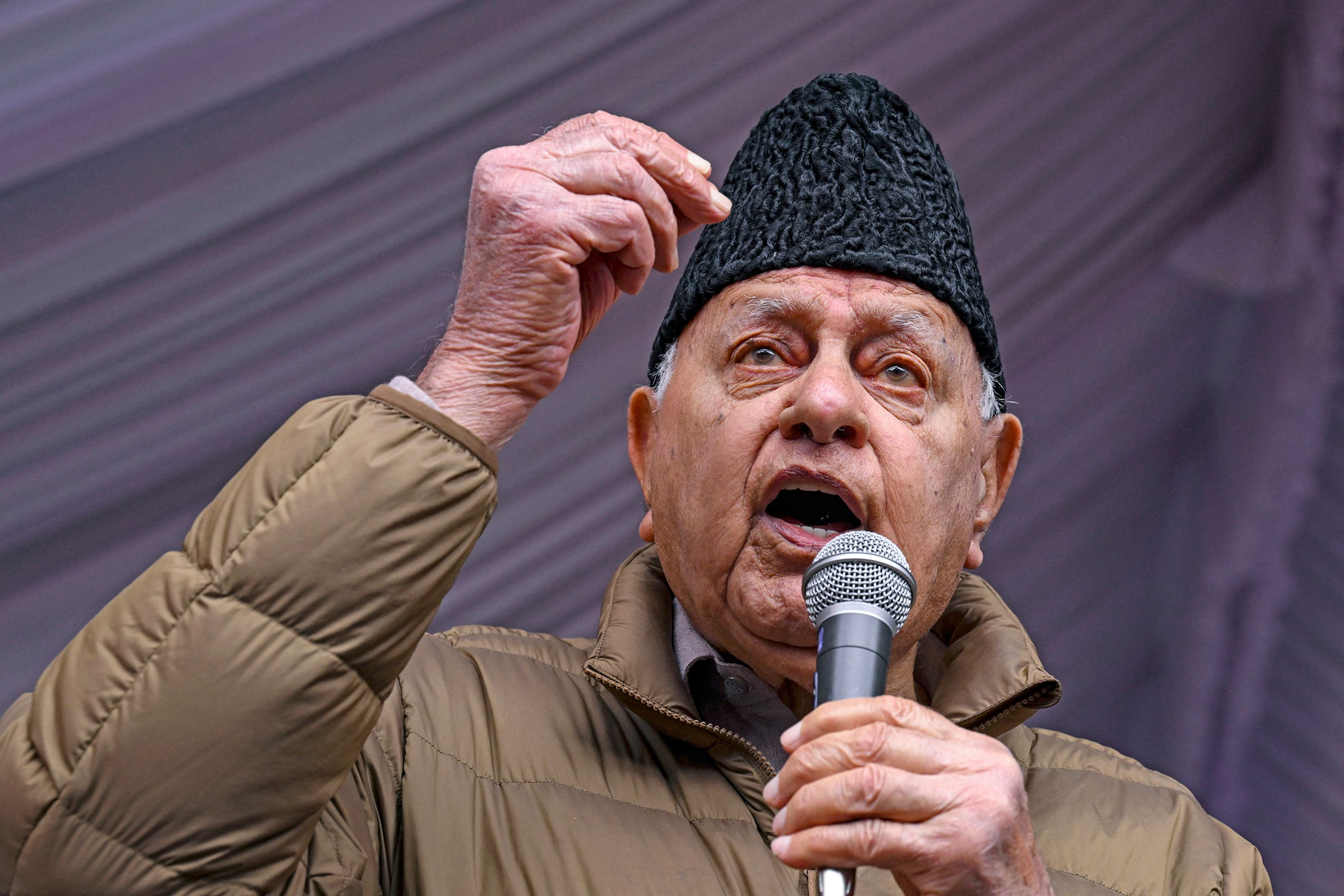
Farooq Abdullah states that Kashmiri Pandits are welcome to return but expresses scepticism about their willingness to live permanently in the Valley.
Kashmiri Pandits demand a separate homeland and rehabilitation in the Valley, citing ongoing threats and lack of justice.
- Who
- Kashmiri Pandits, a Hindu minority in Kashmir
- What
- Forced exodus due to targeted violence and intimidation, demands for return and rehabilitation
- When
- Late 1980s, with a significant exodus in 1990; current demands ongoing
- Where
- Jammu and Kashmir, India
- Why
- To achieve a Muslim-majority valley through terror and religious homogenisation; current demands for justice and rehabilitation
Kashmiri Pandits
Farooq Abdullah
Return and Rehabilitation
Kashmiri Pandits
Kashmiri Pandits demand a separate homeland and rehabilitation in the Valley, citing ongoing threats and lack of justice.
Farooq Abdullah
Farooq Abdullah states that Kashmiri Pandits are welcome to return but expresses scepticism about their willingness to live permanently in the Valley due to their established lives elsewhere.
Accountability and Justice
Kashmiri Pandits
Kashmiri Pandits highlight the lack of accountability and justice for the atrocities committed during their exodus.
Farooq Abdullah
Farooq Abdullah does not directly address the issue of accountability but focuses on the logistical challenges of rehabilitation.
- Year of Exodus
- 1990
- Population Affected
- Nearly 7 lakh Kashmiri Pandits
- Primary Objective of Exodus
- Demographic and ideological overwhelm
- Current Status
- Living as refugees in India
- Annual Observance
- January 19 as Exodus Day or Holocaust Day
- Accountability
- Barely a hundred cases registered, no convictions
- Political Rehabilitation
- Valley-based Muslim leaders courted, no acknowledgment of Kashmiri Hindu cause
- Farooq Abdullah's Stance
- Kashmiri Pandits are welcome to return, but sceptical about permanent return
Sources
Azadi or erasure? The truth behind the Kashmiri Pandits' exodus
Who's stopping Pandits from returning, asks Farooq Abdullah

Don't think Kashmiri Pandits want to live in Valley permanently: Farooq Abdullah

Kashmiri Pandits welcome to return, but...: Farooq Abdullah
Farooq Abdullah Alleges Hindu-Muslim Divide Created for Elections

Kashmiri Pandits always welcome to return home:Farooq Abdullah as community observes 36th exodus day
