

Archive · 20 Jul 2026
Lentils Cause Bloating: Biochemical Fixes for Gut Health
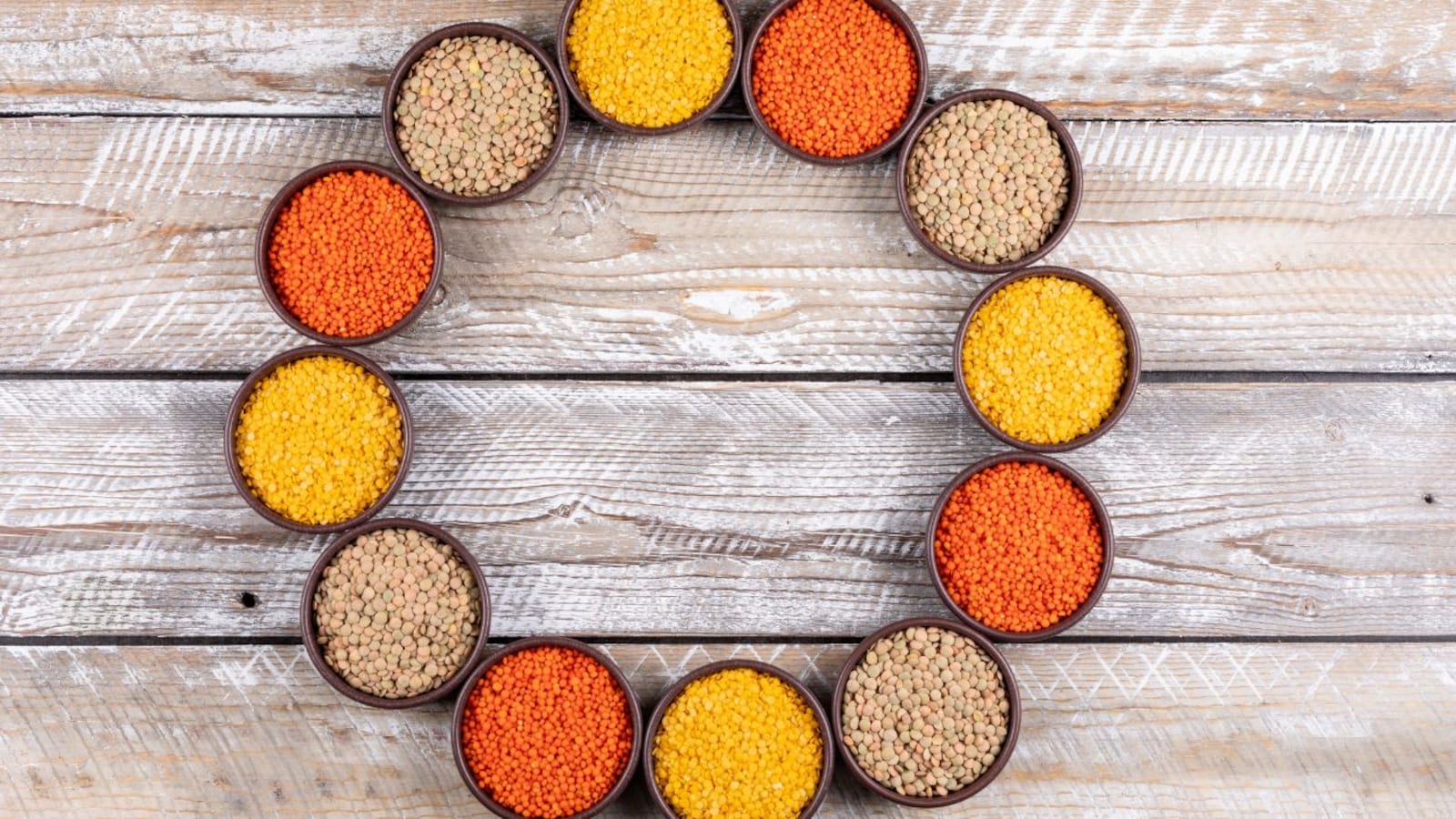
Lentils are very healthy, but they can cause bloating and gas because our bodies can't easily digest certain carbohydrates in them.
These carbohydrates ferment in our intestines, creating gases like hydrogen and methane.
To help our guts, we can soak or sprout lentils before eating them, increase our intake gradually, and pair them with digestive spices like ginger and cumin.
Staying hydrated also helps.
While lentils are good for our gut health, severe or persistent bloating might signal a bigger problem like irritable bowel syndrome or food intolerance, which needs medical attention.

Lentils contain raffinose family oligosaccharides (RFOs) that cause bloating and gas due to incomplete digestion.
The human body lacks sufficient alpha-galactosidase enzymes to break down these carbohydrates, leading to fermentation in the intestines.
Gut bacteria interact with undigested carbohydrates, producing gases like hydrogen, carbon dioxide, and methane.
To improve digestion, soak or sprout lentils, increase intake gradually, pair with digestive spices, and stay hydrated.
Severe or persistent bloating may indicate underlying conditions like irritable bowel syndrome or food intolerance, requiring medical attention.
- Who
- People experiencing digestive issues after consuming lentils
- What
- Bloating and gas caused by lentils due to undigested carbohydrates
- When
- During seasonal changes and when consuming lentils
- Where
- In the intestines and colon
- Why
- Due to the lack of alpha-galactosidase enzymes to digest raffinose family oligosaccharides (RFOs) in lentils
- Cause of Bloating
- Raffinose family oligosaccharides (RFOs) in lentils
- Gases Produced
- Hydrogen, Carbon dioxide, Methane
- Digestive Enzyme
- Alpha-galactosidase
- Nutritional Benefits
- Dietary fibre, resistant starch, plant protein, polyphenols
- Red Flags
- Severe pain, unexplained weight loss, chronic diarrhoea, blood in stool, persistent bloating
- Possible Underlying Causes
- Irritable bowel syndrome, Small intestinal bacterial overgrowth, Food intolerance, Inflammatory bowel disease