

Archive · 7 Jun 2025
India's Approach to Dementia: Diagnosis, Treatment, and Hope
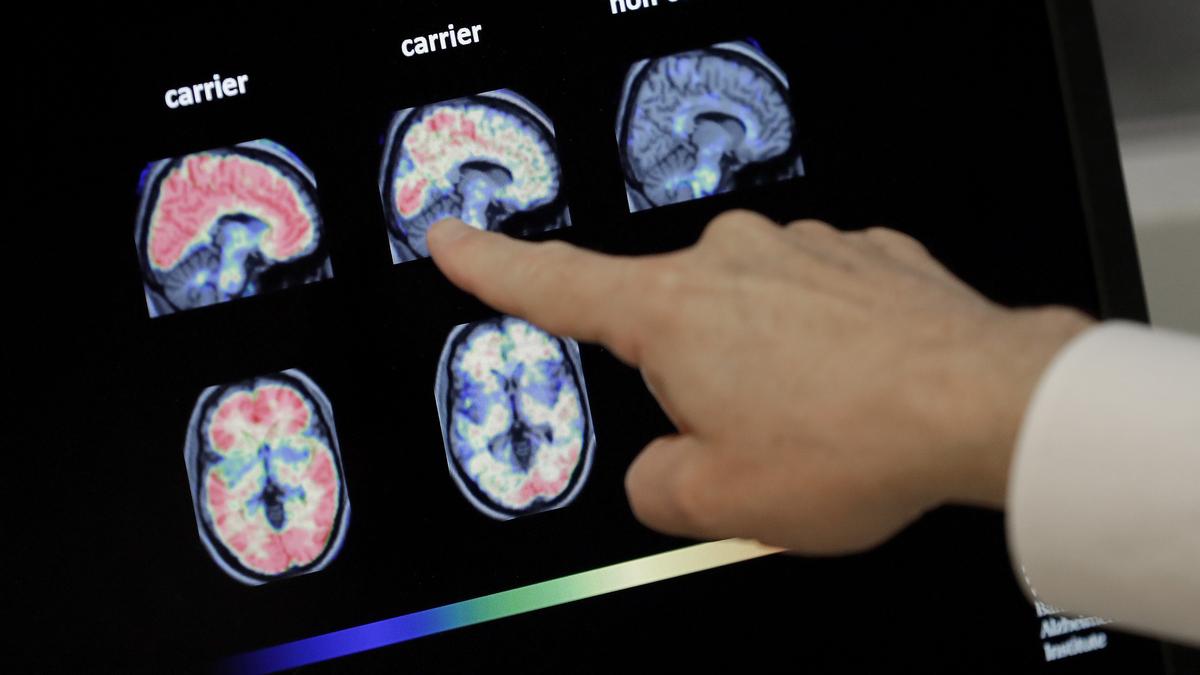
Dementia is a brain problem causing trouble with thinking and memory, and it's not just about getting older.
In India, doctors are getting better at spotting the different types, not just Alzheimer's.
They're looking for problems that can be fixed, like vitamin shortages.
There are new tests and medicines coming out that might help slow down the disease.
Doctors are also teaching families how to understand and care for people with dementia better, so they can prepare for the future.
Things are looking up, with hope for more accurate diagnoses and treatments.

Dementia affects an estimated 8.8 million Indians and is projected to rise significantly.
Clinicians emphasize comprehensive evaluations to identify reversible causes of cognitive decline.
Advanced biomarkers and imaging techniques are used to aid in diagnosis, but clinical context is key.
New treatments, like monoclonal antibodies, are emerging but not yet widely available in India.
Early diagnosis and caregiver education are crucial for effective management and support.
- Who
- Doctors, researchers, and individuals in India affected by dementia.
- What
- Focus on understanding and managing dementia, including identifying causes, using new diagnostic tools, and exploring treatment options.
- When
- Current, with projections for the future.
- Where
- India
- Why
- To improve diagnosis, treatment, and support for people with dementia.
- Estimated Dementia Prevalence in India
- 7.4% of adults aged 60 and older
- Approximate number of Indians with Dementia
- 8.8 million
- Projected dementia cases in India by 2036
- 17 million
- Examples of Reversible Causes
- Vitamin B12 deficiency, Hypothyroidism, Normal Pressure Hydrocephalus
- New Alzheimer's Treatments
- Lecanemab and aducanumab