

Archive · 7 Sep 2025
UN Report Highlights Soil Pollution from Plastics and Pesticides
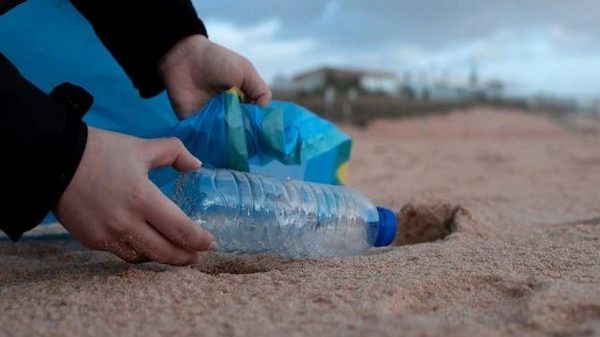
Imagine the soil where we grow our food like a big garden.
Some things we use to help the plants grow, like plastic and chemicals, are hurting the soil.
Plastics don't break down easily and stay in the soil, making it hard for plants to grow well.
Also, using too many chemicals, like pesticides to kill bugs, can damage the soil.
The UN says this is a big problem because it makes it harder to grow healthy food, and it also contributes to climate change.
Luckily, India has started a program to fix this.
It's important to find ways to grow food that are good for the soil and for us.

UN reports highlight the growing issue of soil pollution from plastics used in agriculture.
Plastic sachets from FMCG corporations are contributing to plastic pollution in rural areas.
Pesticides and fertilizers degrade soil and impact biodiversity.
India launched a $379 million initiative to combat pollution from pesticides and plastics.
The UN advocates for shifting from intensive agriculture towards sustainable practices to preserve soil health.
- Who
- UN, FMCG corporations, farmers, and the Indian government.
- What
- Soil pollution from plastics and pesticides in agriculture is harming the environment.
- When
- Ongoing issue, recent reports highlight the problem.
- Where
- Global, with specific focus on India's agricultural practices.
- Why
- Excessive use of plastics and pesticides in farming is causing soil degradation and threatening food safety and production.
- Plastic Recycling Rate
- Less than 10%
- Plastic Usage in Consumer Packaging
- 40%
- India's Initiative
- $379 million to combat pollution
- Land Degradation Rate
- 24bn tonnes per year
- Agricultural GHG Emissions
- 30%