

Archive · 6 Nov 2025
Ready-to-Eat vs. Homemade Breakfast: Health and Convenience Debate
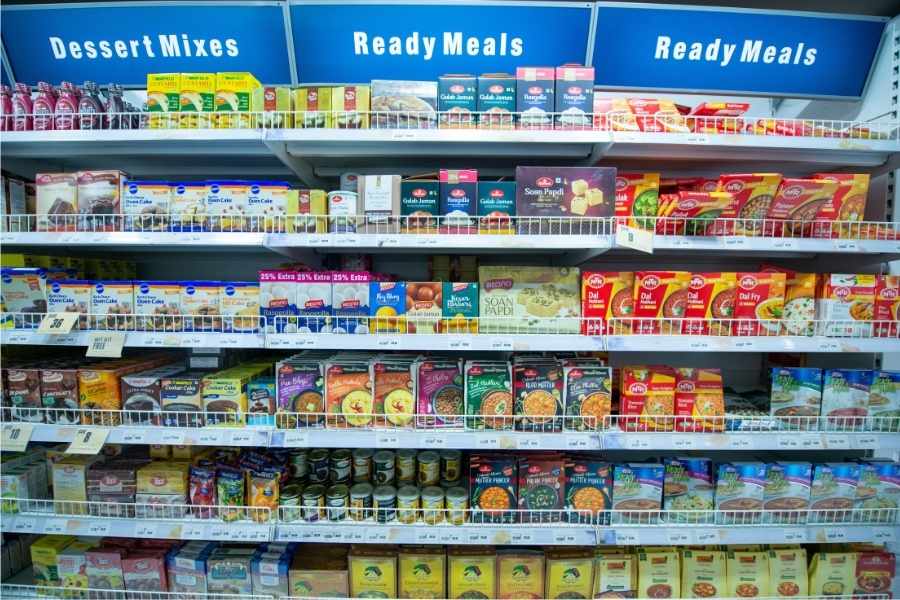
Imagine you're super busy in the morning and don't have time to cook!
Many stores sell breakfast foods like poha or parathas that are already made and just need heating up.
These are super quick!
But, they often have special ingredients to keep them good for a long time, like preservatives, which might not be so good for your tummy if you eat them every day.
Making your own breakfast ahead of time, like roasting ingredients for poha, is like having a healthy shortcut.
You can also roll out parathas and keep them in the fridge for a few days.
Freezing your own food is also an option for longer storage.
So, while the quick store-bought breakfasts are easy, making your own breakfast in advance is usually the healthiest choice for your body.

Ready-to-eat and frozen breakfast options offer convenience for busy lifestyles but may contain preservatives and artificial ingredients.
Nutritionists warn that industrial processing and preservatives in packaged foods can negatively impact health.
Freezing is an industrial method to extend shelf life, but it can alter nutritional value and reheating can increase bacterial risk.
Homemade meals, prepared in advance and stored properly (refrigerated or frozen), are considered a healthier alternative.
Experts advise occasional consumption of ready-to-eat foods is acceptable, but regular reliance can lead to long-term health issues.
- Who
- Nutritionists Dnyaneshwari Barve and Jayati
- What
- Comparison of health implications and convenience of ready-to-eat/frozen breakfasts versus homemade prepped meals.
- When
- Current fast-paced urban lifestyle.
- Where
- Urban households, supermarkets, quick-commerce apps.
- Why
- To understand if convenient breakfast options are healthy choices and to offer alternatives for busy individuals.
Ready-to-Eat & Frozen Breakfasts
Homemade & Prepped Breakfasts
Convenience
Ready-to-Eat & Frozen Breakfasts
Offer significant time-saving benefits for busy individuals and households where both partners work.
Homemade & Prepped Breakfasts
Require initial preparation time but offer healthier, preservative-free options for quick consumption later.
Health Implications
Ready-to-Eat & Frozen Breakfasts
May contain added preservatives, artificial flavors, and colors which can have harmful effects on health. Industrial processes can alter nutritional quality. Reheating can lead to rapid bacterial growth and potential digestive issues. Regular consumption may cause allergic reactions, rashes, or respiratory problems.
Homemade & Prepped Breakfasts
Homemade meals, when stored properly, retain more nutrients and avoid harmful additives. Freezing homemade meals for up to a month is a healthier alternative to packaged foods with chemical preservatives. Traditional safe storage methods are preferable for short-term storage.
Nutritional Quality
Ready-to-Eat & Frozen Breakfasts
Nutritional profile is affected by industrial processing and freezing methods.
Homemade & Prepped Breakfasts
Preserves most nutrients when stored properly, especially in freezers. Offers a cleaner and safer way to eat.
- Convenience Culture
- Rise of ready-to-eat and frozen foods reflects modern household dynamics with busy schedules.
- Added Ingredients
- Ready-to-eat products often contain preservatives, artificial flavors, and colors.
- Freezing
- Industrial process to extend shelf life and minimize bacterial growth; can alter nutritional profile.
- Homemade Meal Storage
- Homemade meals can be stored in freezers for up to a month or in the fridge for 3-4 days (e.g., rolled rotis/parathas).
- Reheating Risks
- Reheating certain foods like rice multiple times increases bacterial growth risk.
- Health Risks of Preserved Foods
- Potential allergic reactions, rashes, or respiratory problems.